A Comprehensive Review of the Development of Green Extraction Methods and Encapsulation of Theobromine from Cocoa Bean Shells for Nutraceutical Applications
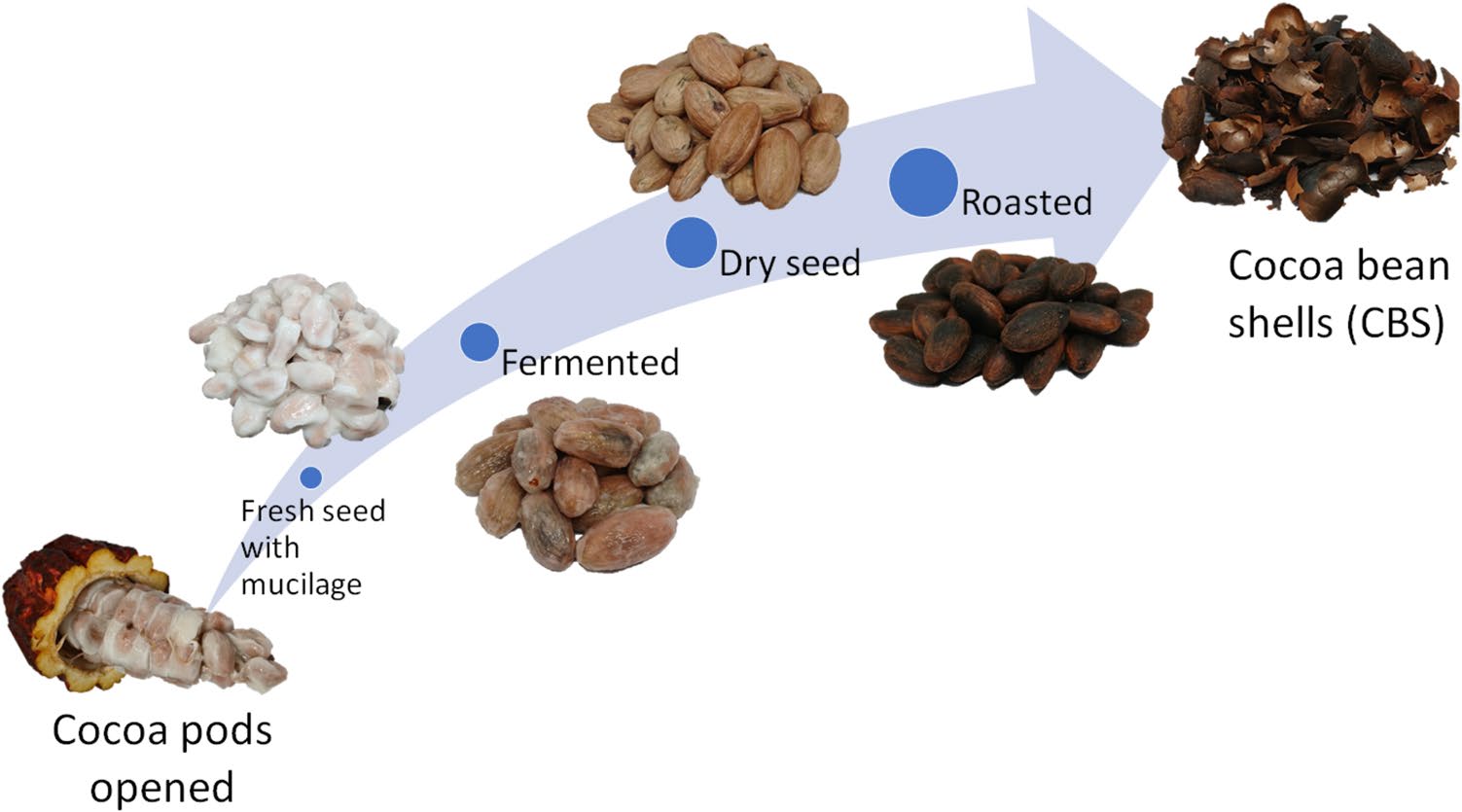
Did you know that the cocoa bean shells you toss aside could be a goldmine of health-boosting compounds? In Peru, these shells make up to 20% of the waste from roasted beans, yet they're packed with theobromine and phenolics waiting to be unlocked.
Cocoa bean shells (CBS) are not just waste—they are a resource. In countries like Peru, a top producer of fine-aroma cocoa, CBS can account for up to one-fifth of the roasted bean's weight. These shells are rich in phenolic compounds and theobromine, a stimulant with potential nutraceutical benefits. But extracting these treasures requires clever science.
Traditional methods are giving way to greener, more efficient techniques. The review highlights ultrasound-assisted extraction (UAE) and microwave-assisted extraction (MAE) as the most effective for pulling out theobromine. Other cutting-edge methods—like supercritical fluid, pressurized liquid, and even deep eutectic solvent extraction—are also on the table, each offering a more sustainable path forward.
But extraction is only half the battle. To keep theobromine stable and bioactive, researchers turn to encapsulation. Spray drying and freeze-drying, using carriers like maltodextrin mixed with gum Arabic, chitosan, or whey protein, have been the go-to strategies. This protective step ensures the compounds survive to deliver their health benefits.
The ultimate goal? A nutraceutical product from CBS that fits into a circular agricultural economy. That means scaling up green processes like UAE and exploring new encapsulation materials to boost stability through synergistic effects. The shells you toss could one day become a supplement—science just needs to make it happen.
Key Points
- Cocoa bean shells are up to 20% waste, rich in theobromine.
- Ultrasound and microwave extraction are most effective for theobromine.
- Encapsulation with maltodextrin, chitosan, or whey stabilizes bioactivity.
Comments
No comments yet — be the first.