A critical review on pulsed electric field: A novel technology for the extraction of phytoconstituents
Traditional plant extraction methods are slow, wasteful, and often ruin the very compounds we want to harvest. What if a burst of electricity could change everything?
Plants are treasure troves of biologically active compounds, housing everything from phenolics and minerals to amino acids and vitamins across their seeds, fruits, flowers, leaves, stems, and roots. Unfortunately, conventional extraction techniques come with frustrating baggage: poor performance, low yields, heavy solvent use, sluggish processing times, and thermally degraded by-products.
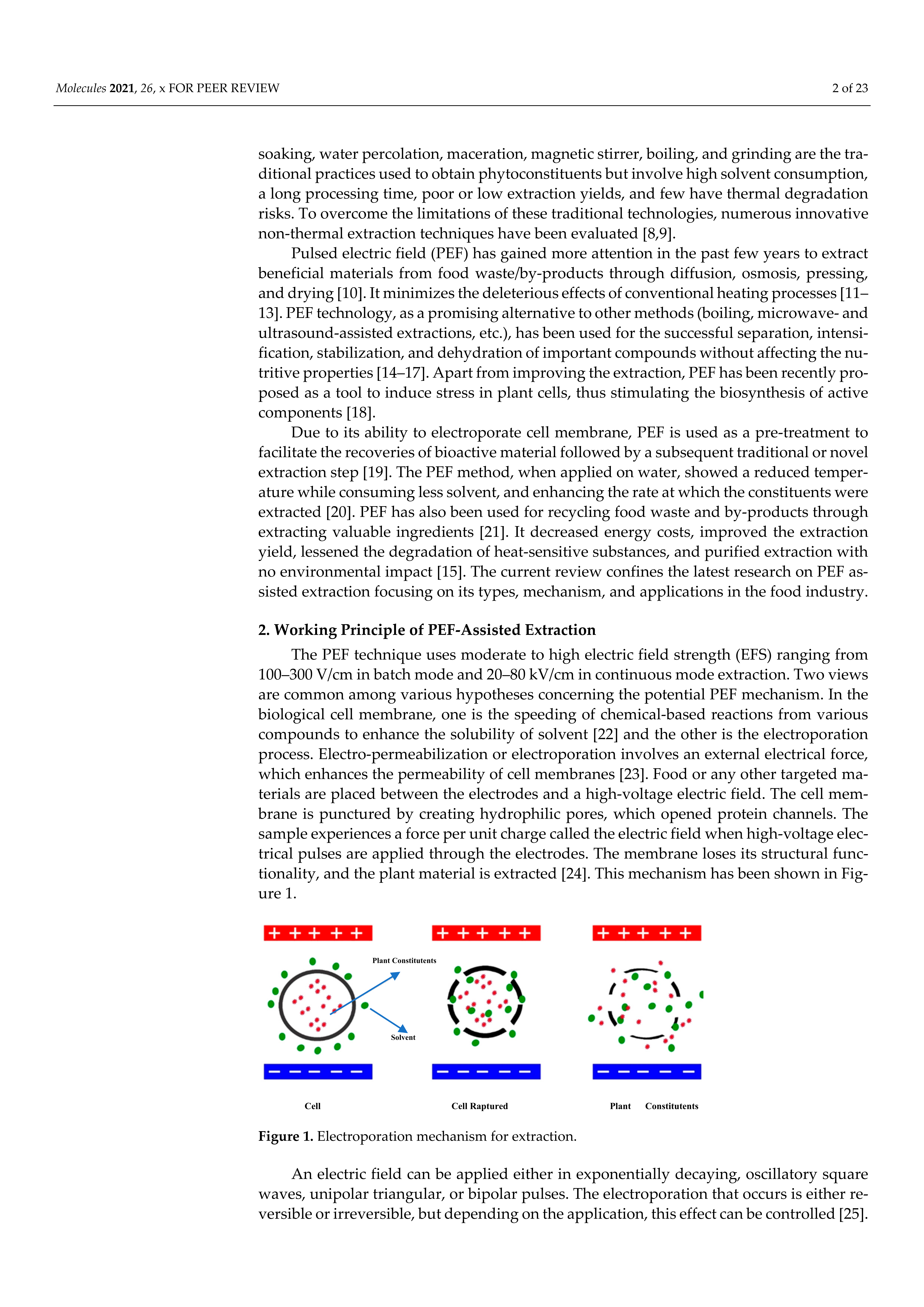
Enter pulsed electric field (PEF) technology. As a modern, non-thermal extraction method, PEF makes the identification, characterization, and analysis of these precious bioactive ingredients far easier and more efficient. The benefits go beyond convenience, offering cost-effectiveness, reduced processing time, lower solvent consumption, and significantly improved yields.
This comprehensive review explores how PEF extracts bioactive components, essential oils, proteins, and pectin from various plant parts. Compiled studies point to PEF as a premier solution for the food and pharmaceutical industries, delivering higher yields while using less solvent and energy. Ultimately, safe and efficient PEF design protects valuable phytoconstituents and oils from degradation, leaving traditional methods in the dust.
Key Points
- Traditional extraction methods cause thermal degradation and low yields
- Pulsed electric field (PEF) is an advanced non-thermal technology
- PEF improves yields while reducing time, energy, and solvent use
Comments
No comments yet — be the first.