A Perspective on Missing Aspects in Ongoing Purification Research towards Melissa officinalis
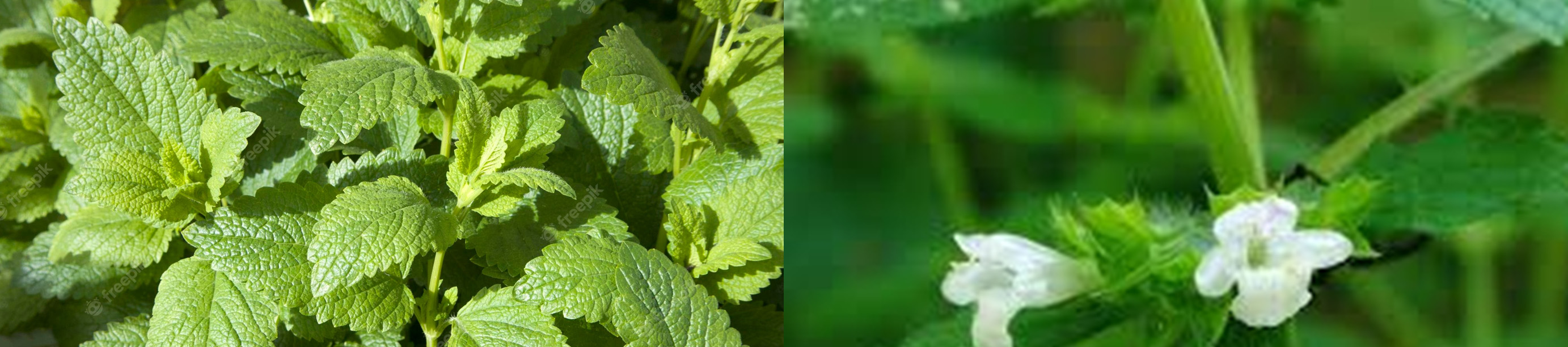
A humble herb from Southern Europe now grows on nearly every continent—yet science is just beginning to unlock its full chemical potential. What if the key to better extraction lies in missing pieces of the puzzle?
Melissa officinalis, or lemon balm, has been a trusted remedy across cultures for centuries. Its antimicrobial, antioxidant, and calming properties stem from a rich cocktail of bioactive compounds—flavonoids, polyphenols, and terpenes, to name a few. But extracting these treasures efficiently remains a challenge. Ethanol currently leads the pack as the most effective solvent, especially for rosmarinic acid, yet the journey from plant to pure compound is far from perfect. This perspective highlights the latest in profiling and extraction, while pointing to overlooked opportunities. Cavitation-assisted extraction could boost mass transfer and shrink particle sizes in one step. Membrane-assisted processes might refine the extracts further. And the future may lie in green solvents like ionic liquids and natural deep eutectic solvents (NADES), including hydrophobic variants and in-situ formation via mechanochemistry. These gaps, once filled, could transform how we harness lemon balm's benefits sustainably.
Key Points
- Ethanol is the most effective solvent for extraction.
- Cavitation and membranes could improve purification.
- NADES and mechanochemistry offer greener alternatives.
Comments
No comments yet — be the first.