A Review of Canarii Fructus (Canarium album) Polyphenols: From Efficient Extraction to Mechanistic Understanding and Functional Food Development
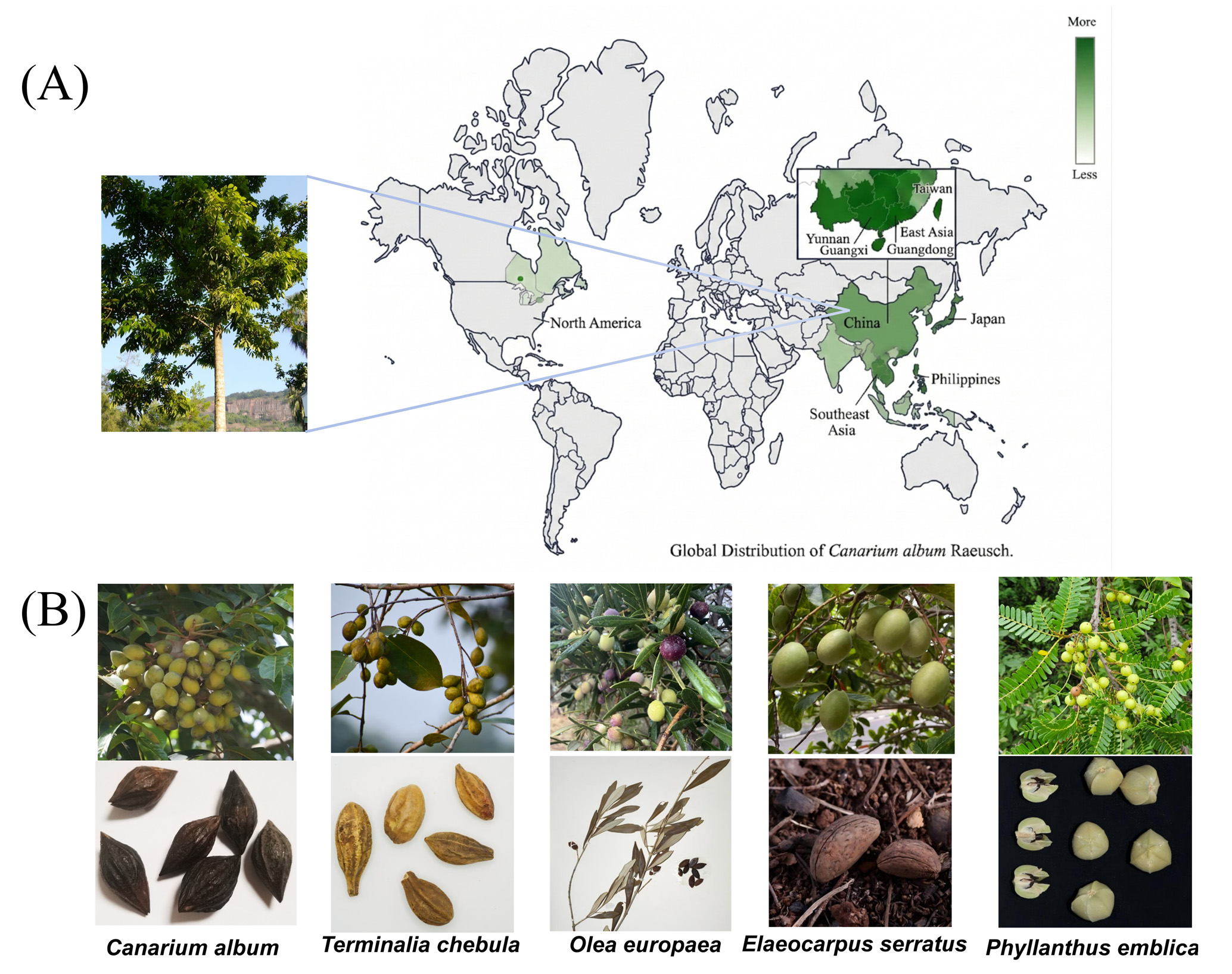
Hidden inside a humble fruit are over 30 polyphenolic compounds, with one molecule making up nearly 40% of its phenolic power—could this be nature's next functional food superstar?
The Canarium album fruit, known as Canarii Fructus, is a polyphenol powerhouse. Scientists have identified over 30 polyphenolic compounds in it, with gallic acid and ellagic acid leading the charge at 38.8% and 14.3% of total phenolics, respectively. That's roughly 300 mg of phenolic compounds per 100 grams of fresh fruit—a significant natural reservoir.
Extraction has gone high-tech. Ultrasound-assisted, microwave-assisted, and combined ultrasound-microwave extraction (UMAE) are boosting efficiency. UMAE is a standout, achieving yields up to 6.33% in just 4.4 minutes, making green, fast, and effective processing a reality.
But the fruit's potential doesn't stop at extraction. These polyphenols show a wide range of biological activities—antioxidant, anti-inflammatory, antiviral, antibacterial, antitumor, anti-aging, hepatoprotective, and metabolic regulatory. They work through key pathways like Nrf2/ARE, NF-κB, PI3K/Akt, and AMPK. For instance, they inhibit α-glucosidase with an IC50 of 9.914 × 10⁻³ µg/mL and regulate lipid metabolism via AMPK activation.
This review goes beyond traditional phytochemical or pharmacological snapshots, offering a food-oriented lens. It tackles challenges like low bioavailability, unclear structure-activity relationships, and limited in vivo evidence, while highlighting emerging solutions such as nanodelivery systems and AI-assisted target discovery. Canarii Fructus polyphenols are not just promising—they're a natural resource ripe for functional food innovation.
Key Points
- Over 30 polyphenols identified; gallic acid 38.8%, ellagic acid 14.3%.
- UMAE extraction yields 6.33% in 4.4 minutes.
- Activities: antioxidant, anti-inflammatory, α-glucosidase inhibition; challenges: bioavailability.
Comments
No comments yet — be the first.