A Review of Extraction Techniques of Bioactive Compounds and Pharmacological Properties of Guam’s Invasive Vine—Antigonon leptopus
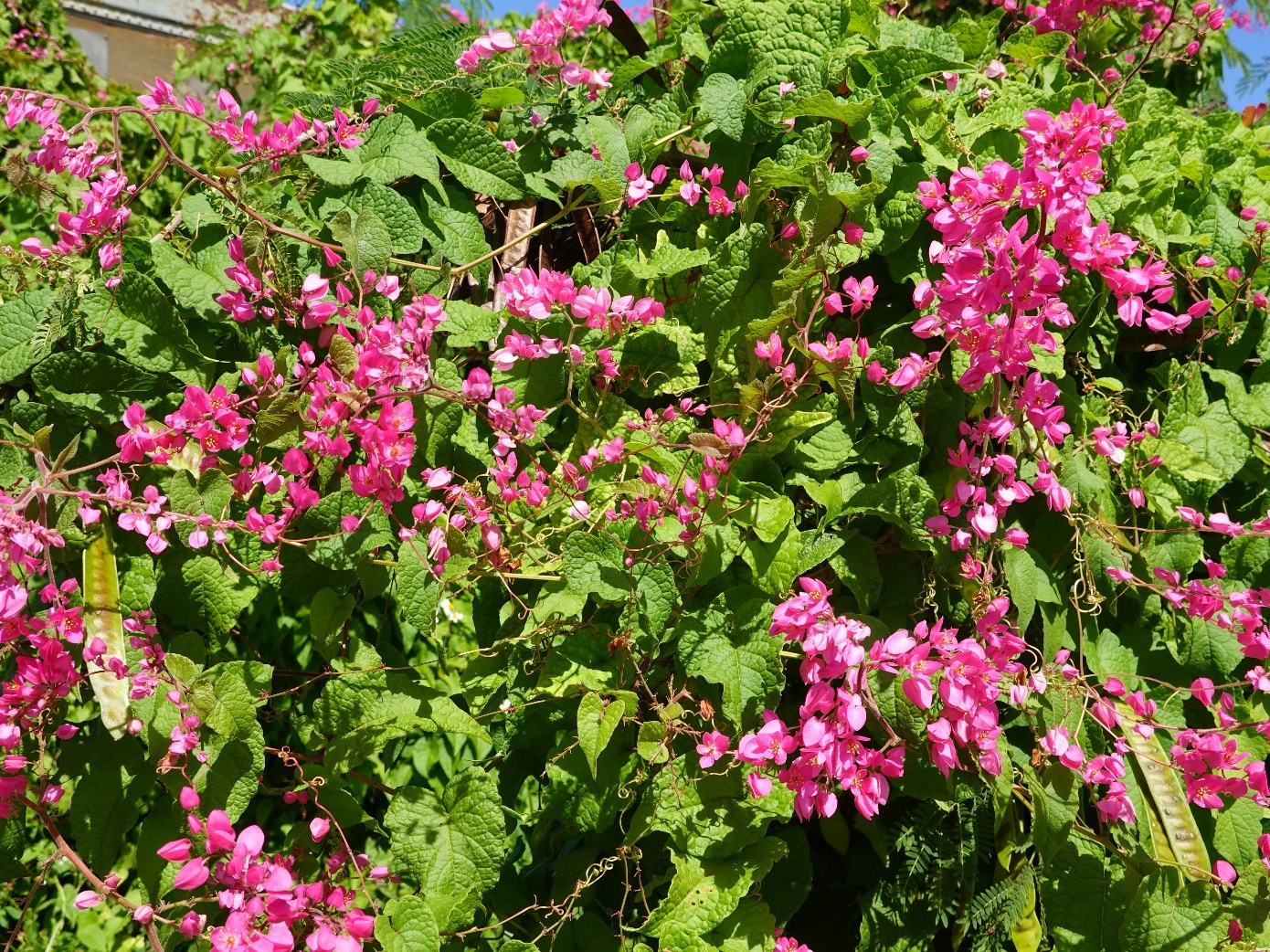
On Guam, a vine with heart-shaped flowers is both a nuisance and a hidden treasure—could it hold the key to new medicines?
The chain of love, scientifically known as Antigonon leptopus, is a fast-growing vine that strangles Guam's landscapes with its pink and white heart-shaped blooms. But while locals see it as a weed, traditional medicine systems around the world have used it for centuries to soothe colds and heal wounds. Now, scientists are asking: what else can this invasive plant offer?
A recent review digs into the plant's chemical arsenal, revealing a rich mix of phytochemicals—alkaloids, flavonoids, tannins, and more—that show promise in fighting oxidative stress, microbes, diabetes, inflammation, and even cancer. These bioactive compounds could be a goldmine for new pharmaceuticals and nutraceuticals.
But there's a catch. Most extraction studies rely on traditional methods like maceration, Soxhlet, and hot extraction. Green techniques, such as supercritical CO2, remain largely unexplored for this species. That's a missed opportunity for sustainable, efficient extraction.
The review suggests that this underutilized weed might be a valuable resource waiting to be tapped. With further research, the chain of love could transform from an ecological headache into a medicinal ally.
Key Points
- Antigonon leptopus is a rich source of diverse phytochemicals with medicinal potential.
- Traditional extraction methods dominate; green techniques like supercritical CO2 are lacking.
- The invasive vine could be a promising source for pharmaceutical and nutraceutical industries.
Comments
No comments yet — be the first.