A short review of green extraction technologies for rice bran oil
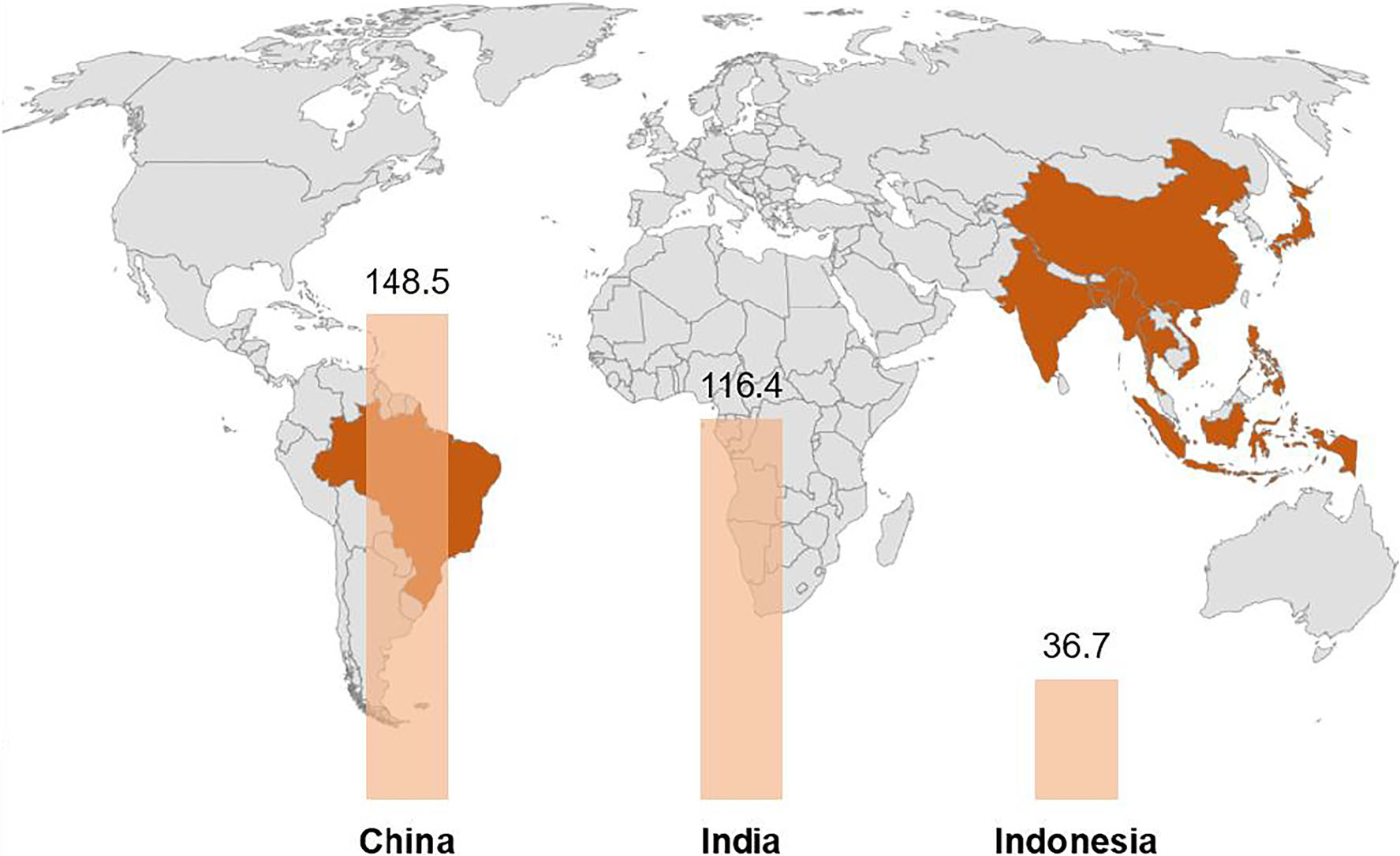
Every year, the massive global production of rice leaves behind a nutrient-packed by-product that is largely wasted. Can we transform discarded rice bran into valuable oil using safer, greener chemistry?
Rice is a cornerstone of global food security, but it generates enormous amounts of by-products like rice bran. Packed with macronutrients, dietary fibers, and bioactive compounds, rice bran holds incredible potential. Its lipid fraction is especially prized for yielding rice bran oil (RBO), a high-value product rich in powerful antioxidants like tocopherols, tocotrienols, phytosterols, and notably $\gamma$-oryzanol.
Traditionally, extracting this valuable oil relies on hexane. While effective, hexane poses significant toxicity risks to both human health and the environment. This glaring drawback drives the urgent need for change.
A recent scientific review highlights innovative green extraction technologies as reliable alternatives. By aligning with the twelve principles of green chemistry and the circular economy, these modern methods offer a safer path to recovering valuable rice bran oil without the toxic footprint.
Key Points
- Rice bran is a nutrient-rich by-product usually wasted.
- Conventional hexane extraction poses human and environmental toxicity risks.
- Green technologies offer sustainable alternatives aligned with circular economy principles.
Comments
No comments yet — be the first.