Anthocyanin recovery from grape by-products by combining ohmic heating with food-grade solvents: Phenolic composition, antioxidant, and antimicrobial properties
Grape waste from winemaking is a massive environmental problem—but it might also be a hidden treasure trove of health-boosting compounds. Now, a new study shows how to unlock them using nothing but water and electricity.
Every year, millions of tons of grape skins, seeds, and stems are discarded after winemaking, creating an environmental headache. But these by-products are packed with bioactive compounds, including anthocyanins—the pigments that give grapes their deep red and purple hues. Extracting them, however, usually requires toxic solvents like methanol, which is hardly sustainable. Researchers set out to find a greener path.
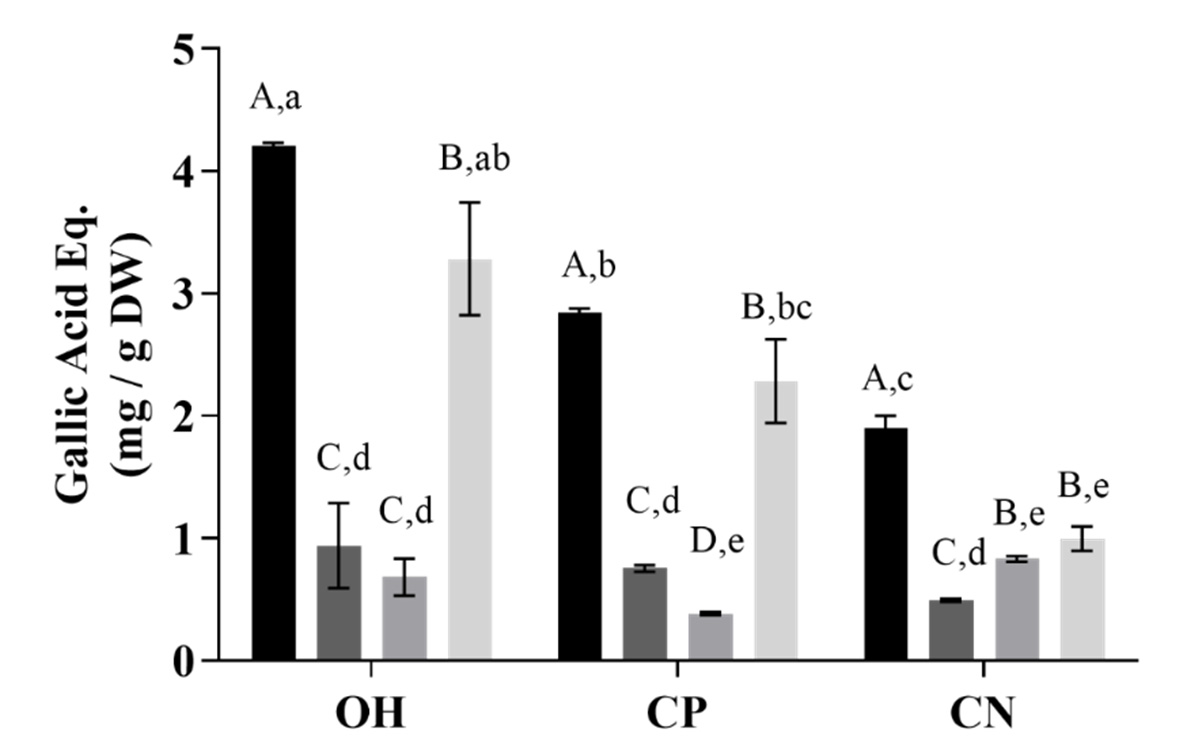
They compared a technique called ohmic heating—which passes an electric current through the material—with conventional extraction, using food-grade solvents like water and citric acid. The results were striking: ohmic heating recovered just as many phenolic compounds as the standard method (3.28 vs. 2.84 mg/g DW gallic acid equivalent) and showed similar antioxidant capacity (2.34 vs. 2.02 g/100 g ascorbic acid equivalent).
The extracts were rich in several anthocyanins, including malvidin-3-O-acetylglucoside and delphinidin-3-O-glucoside. They also inhibited the growth of harmful bacteria such as Yersinia enterocolitica, Pseudomonas aeruginosa, and even methicillin-resistant Staphylococcus aureus (MRSA).
Ohmic heating offers a triple win: it cuts treatment time, reduces energy use, and eliminates the need for organic solvents. This means a safer, more sustainable way to turn grape waste into valuable ingredients for food, cosmetics, and medicine.
Key Points
- Ohmic heating matches conventional extraction for phenolics and antioxidants.
- Uses only food-grade solvents (water, citric acid) instead of toxic methanol.
- Extracts fight bacteria including MRSA and Yersinia enterocolitica.
Comments
No comments yet — be the first.