Antioxidant and Antimicrobial Potential of Malva neglecta Wallr. Extracts Prepared by “Green” Solvents
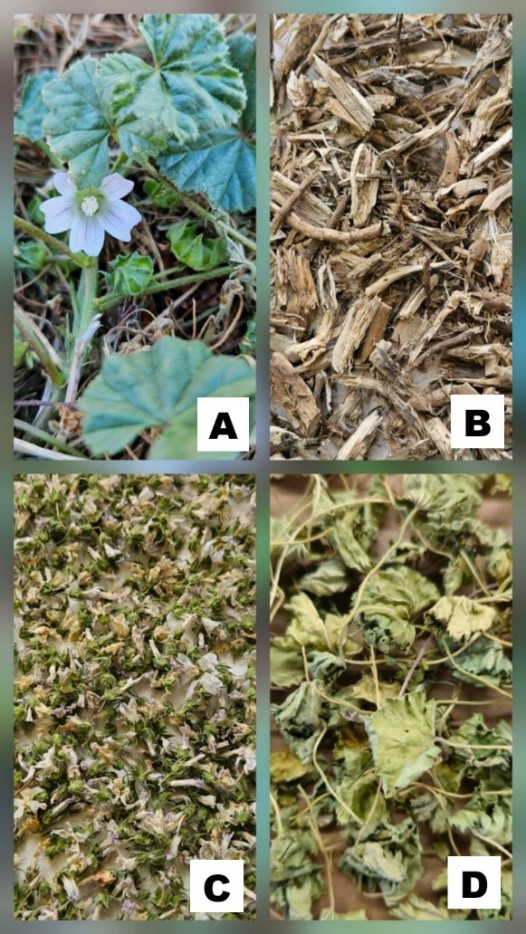
What if the key to unlocking a plant's healing powers lies not in harsh chemicals, but in green solvents inspired by nature? For the first time, scientists have tested these eco-friendly alternatives on the medicinal herb Malva neglecta, revealing a hidden trove of antioxidants.
Malva neglecta, a humble weed often overlooked, is actually a powerhouse of bioactive compounds. Researchers have now probed its flowers, leaves, and roots using a range of green solvents—including 70% ethanol and two novel natural deep eutectic solvents (NADES) made from choline chloride with citric acid or glycerol. This marked the first time NADES were applied to this species.
The team identified a rich profile of flavonoid glycosides and phenolic acids, with flowers and leaves boasting the highest diversity and concentrations, dominated by quercetin and kaempferol glycosides. Ethanol extracts had the highest total phenols, flavonoids, and condensed tannins, but flower extracts—regardless of solvent—showed the strongest antioxidant activity across DPPH, FRAP, and ABTS assays.
Antimicrobial tests painted a nuanced picture. While ethanol extracts were effective against bacteria like Bacillus cereus and Staphylococcus aureus, NADES1 extracts (citric acid-based) showed even higher antibacterial potential. Antifungal activity was less clear-cut, with NADES1 root extracts leading against fungi such as Aspergillus and Penicillium. Notably, NADES2 extracts (glycerol-based) showed no antimicrobial effects at all, highlighting that solvent choice matters immensely in green extraction.
Key Points
- First use of NADES on Malva neglecta
- Flowers and leaves richest in antioxidants
- NADES1 beats ethanol against bacteria
Comments
No comments yet — be the first.