Assessment of Pyrethrin Novel Green Extraction Methods from Dalmatian Pyrethrum (Tanacetum cinerariifolium)
Forget synthetic pesticides—scientists just unlocked a greener way to harness nature's own insecticide, and it's surprisingly powerful.
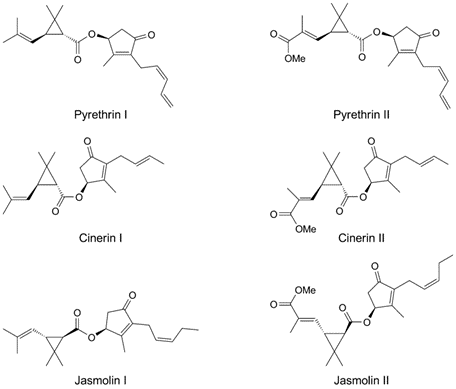
In the quest for sustainable pest control, researchers have turned to an unlikely hero: the Dalmatian pyrethrum flower. This daisy-like plant produces pyrethrins, natural compounds that are toxic to insects but safe for mammals. Now, a new study explores six cutting-edge, eco-friendly extraction methods to harvest these compounds more efficiently than ever before.
Four of these techniques—microwave-assisted, high-voltage electric discharge, subcritical water, and deep eutectic solvent extraction—are being used for pyrethrin extraction for the very first time. The team also tested supercritical CO2 and ultrasound-assisted extraction. After rigorous optimization, one method stood out: supercritical CO2 extraction, which pulled out the highest total pyrethrin yield at 124.37 ng/mg.
This isn't just about chemistry. The study positions pyrethrins as a natural alternative to conventional chemotherapeutics in agriculture, with potential antiparasitic applications. By using clean, environmentally friendly technology, this research paves the way for insecticide strategies that align with organic production and ecological safety standards.
Key Points
- Supercritical CO2 extraction yields highest pyrethrin amount (124.37 ng/mg).
- Four green methods tested for first time on pyrethrum.
- Pyrethrins offer natural, eco-friendly insecticide alternative.
Comments
No comments yet — be the first.