Beneficial Effects of Castanea sativa Wood Extract on the Human Body and Possible Food and Pharmaceutical Applications
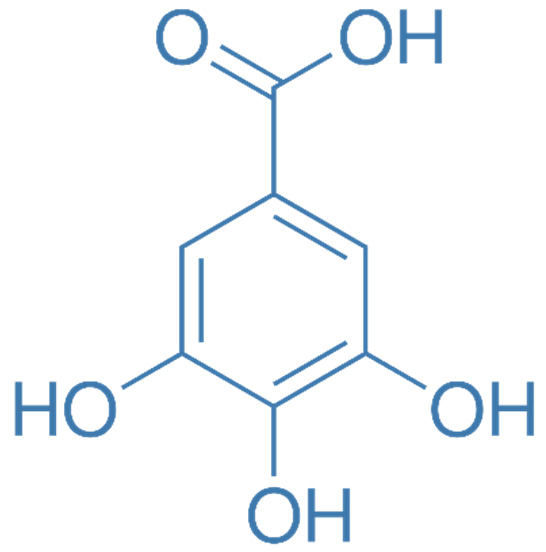
Could a humble chestnut tree hold the key to fighting chronic inflammation? New research suggests its wood extract might be a hidden gem for health and medicine.
A review of existing studies has cast a spotlight on Castanea sativa, the sweet chestnut tree, and its wood extract as a potential food supplement with real health benefits. While the number of studies is limited, the findings are promising, especially regarding anti-inflammatory effects. The extract is rich in bioactive compounds like tannins, which may offer therapeutic possibilities for conditions tied to chronic inflammation.
Beyond inflammation, phytochemical research reports a spectrum of activities: antioxidant, antimicrobial, anti-inflammatory, anticancer, hypolipidemic, hypoglycemic, and neuroprotective. But unlocking these benefits isn't simple. The extraction method and solvent are crucial, and green extraction technologies stand out for industrial recovery of the wood's bioactive compounds.
However, the path from lab to product is paved with caution. Regulatory guidelines and approvals are essential to ensure safety and compliance. Interestingly, herbal medicinal products are subject to strict quality testing and control, while dietary supplements lack comparable standards and labeling requirements. As interest grows, adhering to established standards in health research remains paramount.
Key Points
- Promising anti-inflammatory effects from Castanea sativa wood extract.
- Rich in tannins with antioxidant, antimicrobial, anticancer, and neuroprotective activities.
- Green extraction and regulatory compliance are crucial for applications.
Comments
No comments yet — be the first.