Bioactive compounds from Pleurotus sajor-caju mushroom recovered by sustainable high-pressure methods
What if the secret to powerful antioxidants and antimicrobials was hiding in an ordinary oyster mushroom? Scientists have found a way to unlock it using nothing but pressure and green solvents.
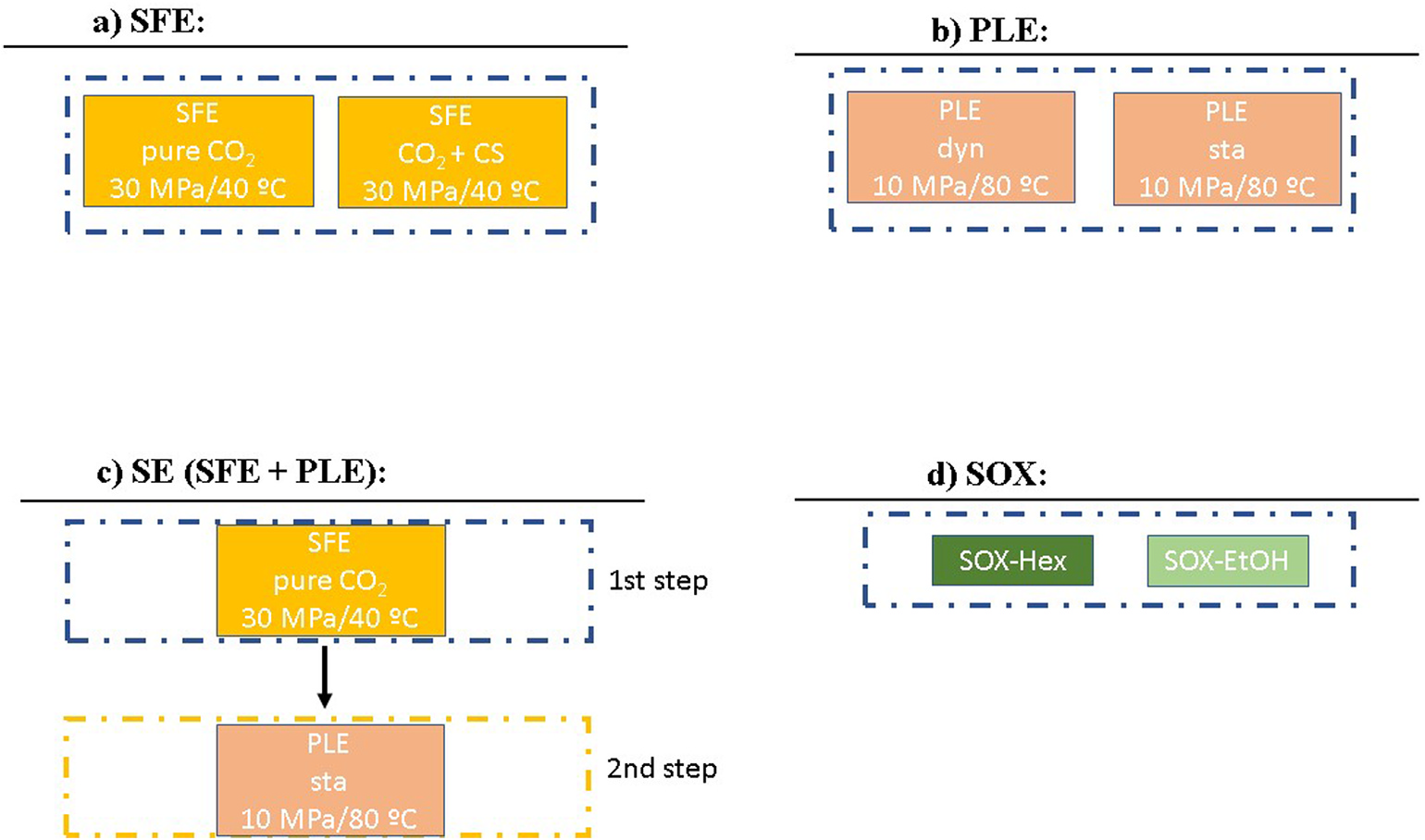
Mushrooms have been prized for centuries, but extracting their bioactive treasures has often relied on harsh, wasteful methods. Now, researchers turned to high-pressure techniques—supercritical fluid extraction (SFE) and pressurized liquid extraction (PLE)—to gently coax out the good stuff from Pleurotus sajor-caju, a popular edible mushroom in Brazil. They even combined these methods in a sequential extraction (SE) to see if two green steps beat one. The results were revealing: PLE in dynamic mode matched the yield of the traditional Soxhlet method, but with less solvent and fuss. Temperature played a key role, influencing both yield and antioxidant activity. The first SE fraction, obtained by SFE, showed strong antimicrobial potential, while the second PLE fraction excelled in antioxidant action. Chemical analysis identified linoleic, chlorogenic, and vanillic acids as major players. This study shows that smart process design can elevate the quality of mushroom extracts, making them more potent and eco-friendlier.
Key Points
- High-pressure methods recover bioactive compounds from Pleurotus sajor-caju.
- Sequential extraction combines SFE and PLE for enhanced antimicrobial and antioxidant activity.
- PLE dynamic mode yields similar to Soxhlet, with greener approach.
Comments
No comments yet — be the first.