Bioactive Compounds in Chestnut (Castanea sativa Mill.): Composition, Health-Promoting Properties, and Technological Applications
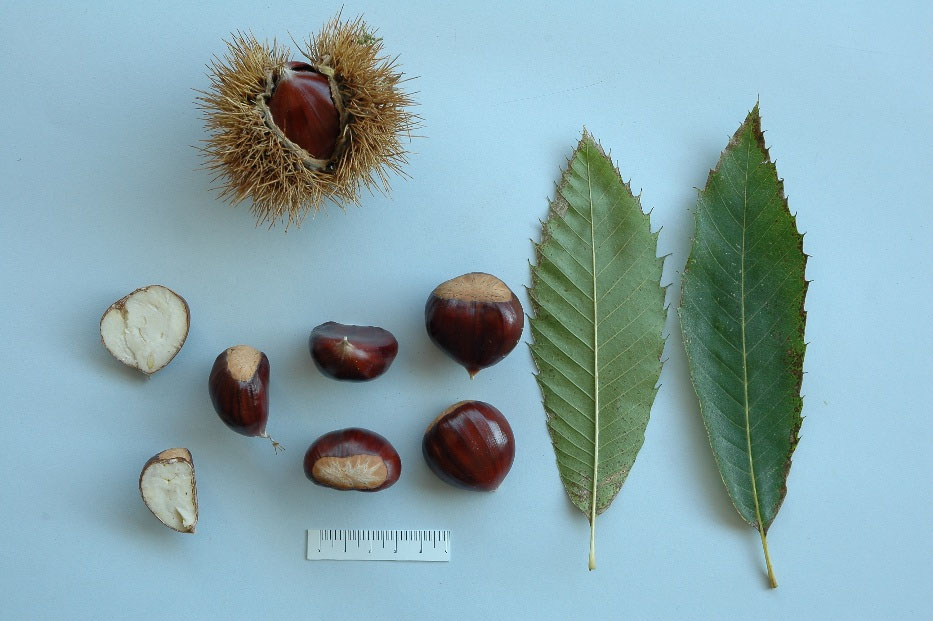
Forget the winter chestnut roasting over an open fire—this Mediterranean staple is a nutritional powerhouse and a treasure trove of bioactive compounds that could transform food, medicine, and cosmetics.
Chestnuts have fed Mediterranean cultures for centuries, but their story is far from over. This review dives into the fruit's impressive resume: high starch and fiber, gluten-free status, B vitamins, essential minerals, and healthy fats. But the real stars are the phytochemicals—phenolic acids, flavonoids, and ellagitannins like castalagin and vescalagin—that show antioxidant, anti-inflammatory, and even anti-proliferative effects in lab and animal studies.
The authors also explore how extraction methods matter. Green techniques like ultrasound or supercritical water can pull out different compounds than traditional solvents, affecting yield and bioactivity. This opens doors for using chestnut shells, burs, and leaves, not as waste but as valuable resources in a circular economy.
From gluten-free flours and beverages to skin-protective cosmetics and active food packaging, chestnut compounds are versatile. But variability across cultivars, environments, and processing means consistency is key. The review calls for collaboration between universities, companies, and consumers to unlock the full potential of this ancient nut.
Key Points
- Chestnuts: high starch, fiber, gluten-free, B vitamins, minerals
- Phytochemicals show antioxidant, anti-inflammatory, anti-proliferative effects
- Green extraction and by-products drive circular bioeconomy innovation
Comments
No comments yet — be the first.