Bioactive Compounds of Sideritis Species in Inflammation, Neuroprotection and Cardiometabolic Health: A Review
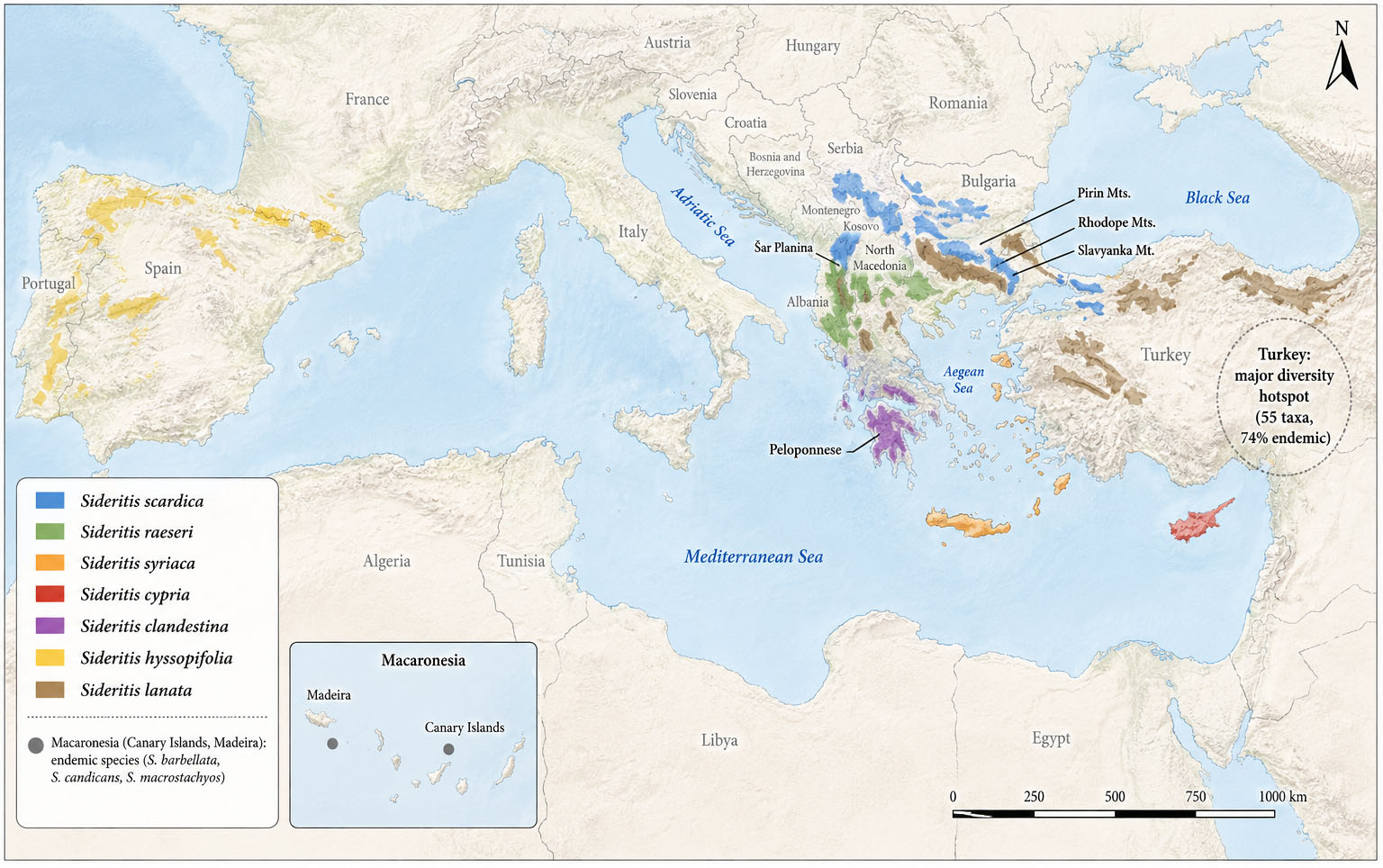
Imagine a humble mountain tea, sipped for centuries in the Mediterranean, quietly harboring molecules that could calm inflammation, protect neurons, and even nudge your metabolism—this is Sideritis, and science is just beginning to unlock its secrets.
Sideritis, the aromatic mountain tea of the Mediterranean and Balkans, is more than a comforting brew. Its leaves are packed with a phytochemical treasure trove—verbascoside, flavonoids, phenolic acids, and terpenoids—each with a distinct molecular story. This review weaves together evidence from lab dishes, animal models, computer simulations, and human trials to show how these compounds act on our bodies.
At the heart of its anti-inflammatory power is the ability to dial down NF-κB and the NLRP3 inflammasome, two key alarm bells of the immune system. Verbascoside, a star compound, physically binds to these targets, as shown by microscale thermophoresis, and dampens the release of TNF-α and IL-1β in cells and animals. Meanwhile, in the brain, Sideritis components may help clear amyloid-β plaques, boost monoamine signaling, and even improve cognition and anxiety in small human trials.
The story extends beyond inflammation and neurons. These compounds act as antioxidants, chelating metals and restoring our natural defense enzymes, which may explain protective effects on the liver and stomach. Early clinical hints suggest cholesterol modulation and sex-specific insulin sensitivity changes, though larger studies are needed. The review also highlights gaps—like the need for more in vivo testing of antiproliferative effects and thorough toxicity assessments—before these teas can become targeted therapies. Still, Sideritis stands out as a mechanistically coherent group of bioactives, with S. scardica as a prime example, poised for translation into health applications.
Key Points
- Sideritis bioactives target NF-κB and NLRP3 inflammasome.
- Verbascoside binds directly, reducing TNF-α and IL-1β.
- Neuroprotection via amyloid clearance and monoamine reuptake inhibition.
Comments
No comments yet — be the first.