Bioactive Compounds of Verbascum sinuatum L.: Health Benefits and Potential as New Ingredients for Industrial Applications
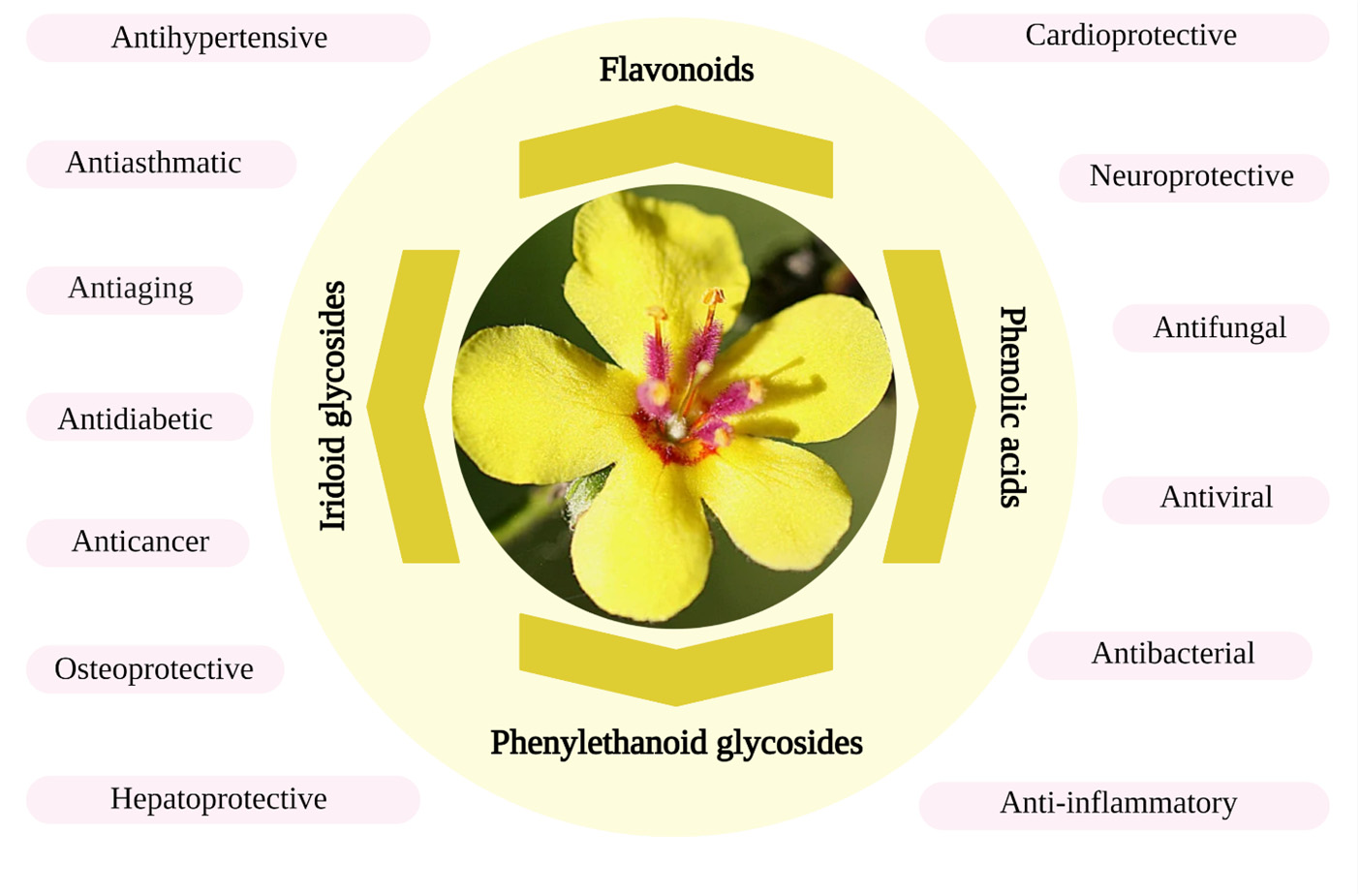
For centuries, a humble plant has brewed healing in traditional teas—now science reveals its hidden arsenal of bioactive compounds that could transform modern medicine and food.
Verbascum sinuatum, a member of the Scrophulariaceae family, has long been a staple in traditional medicine infusions, treating a wide range of ailments. Its aerial parts are a treasure trove of bioactive compounds, particularly polyphenols and iridoids. What sets this plant apart? Studies show its phenolic and flavonoid content surpasses that of other plants in the same genus, hinting at exceptional antioxidant power.
But nature doesn't deliver uniformity. The composition of these compounds shifts with harvesting location, growing conditions, sample preparation, and the type and concentration of extraction solvents. Conventional methods like maceration, heat-assisted extraction, and infusion work, but they demand long hours and large solvent volumes. That's why researchers advocate for green extraction techniques—efficient, eco-friendly alternatives that don't compromise yield.
The potential payoff is immense. These bioactive compounds exhibit antioxidant, anticancer, cardiovascular, antimicrobial, antidiabetic, and neuroprotective activities. Encapsulation could amplify these effects, paving the way for their use as functional food ingredients or in drug and cosmetic development. This review charts a course toward integrating V. sinuatum's compounds into industrial applications, turning an ancient remedy into a modern solution.
Key Points
- Rich in polyphenols and iridoids, surpassing same-genus plants.
- Green extraction methods offer efficient, eco-friendly alternatives.
- Bioactive compounds show antioxidant, anticancer, and neuroprotective potential.
Comments
No comments yet — be the first.