Biobased natural deep eutectic system as versatile solvents: Structure, interaction and advanced applications
What if the future of green chemistry was hidden in plain sight, remaining liquid below zero degrees while melting away our reliance on toxic traditional solvents?
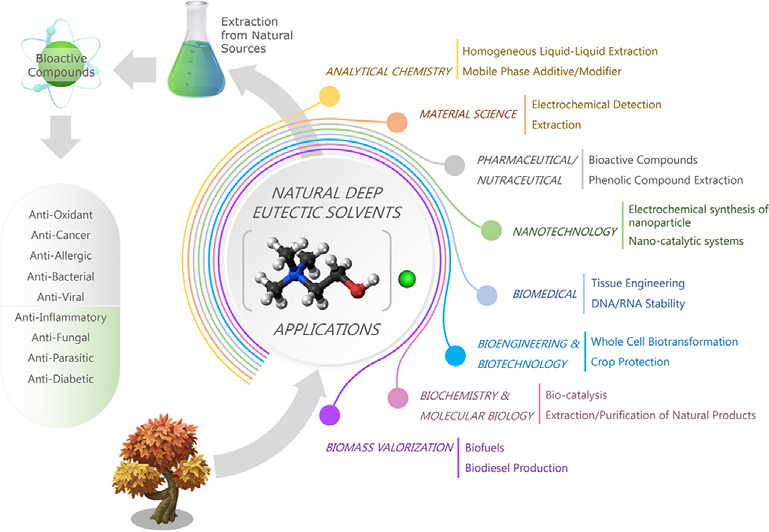
Natural deep eutectic solvents, or NADES, are reshaping how scientists view sustainable media. Boasting a broad polarity range, very low volatility, and a sub-0 degree Celsius liquid state, these biobased systems offer high solubilization strength and exceptional stabilization activity for natural products. Their high biodegradability, low toxicity, sustainability, low cost, and easy synthesis make them compelling alternatives to water and ionic liquids. They even challenge current views on plant physiology and biochemistry.
From cosmetics and food technology to drug-delivery techniques, pharmacological industries, and bone-therapy scaffolds, NADES open doors to diverse applications. They excel in extracting phenolic compounds from grape skins, serving as anhydrous media for DNA processing, acting as enzymatic reaction media, and stabilizing biological pigments. Researchers also pair them with ultrasonic energy for green protein solubilization or use them in eco-friendly crop protection and fuel purification.
Despite these bright prospects, NADES are not without hurdles. Their high viscosity—ranging from 200 to 500 square millimeters per second at 40 degrees Celsius—can hinder mass transfer during extractions and slow down solvent transfer processes. Reviewing structural properties, toxicity case studies, and ways to overcome these viscosity roadblocks provides a crucial roadmap for their future use.
Key Points
- Sub-zero liquid state with exceptionally low volatility
- Low toxicity and high biodegradability compared to ionic liquids
- High viscosity presents practical mass transfer challenges
Comments
No comments yet — be the first.