Bioresource Potential and Safety Evaluations of Thai Zea mays L. Husk Waste Extracts
What if the husk you toss aside could brighten your skin, fight inflammation, and even rival vitamin C? New research says Thai corn husk waste might just be nature's hidden treasure.
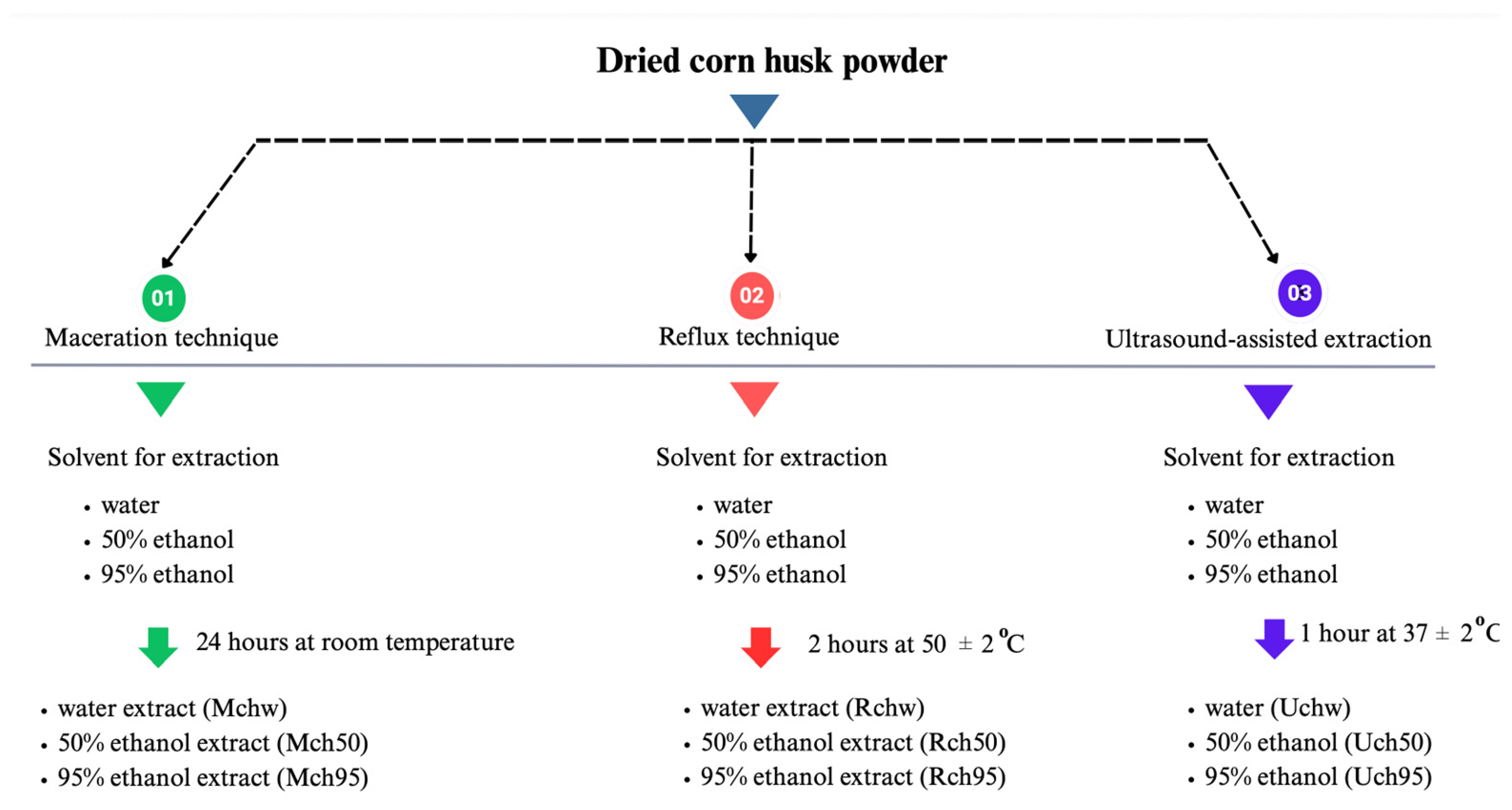
Corn husks—the dry, leafy wrappers we peel off and discard—are actually packed with bioactive compounds. But for too long, they've been overlooked as agricultural waste. A recent study set out to change that by testing how different solvents and extraction methods affect what these husks can offer.
The results were striking. Water alone pulled out the most phenolic compounds, while 95% ethanol unlocked the highest flavonoid content and the strongest antioxidant punch in DPPH tests. But the real star was ultrasound-assisted water extraction: it inhibited nitric oxide by 94.62%, a marker of inflammation, and blocked tyrosinase—an enzyme behind skin pigmentation—with an IC50 of just 7.54 mg/mL.
This same extract also fought collagen-degrading enzymes better than ascorbic acid (91.49% vs. 29.79%) and even outperformed EGCG, a well-known antioxidant. While its anti-hyaluronidase activity was modest, safety tests showed no irritation at 10 mg/mL, though mild cytotoxicity appeared at that same concentration.
In short, ultrasound-assisted water extraction transforms corn husk waste into a safe, bioactive-rich ingredient. It's a promising step toward turning agricultural leftovers into valuable cosmetics, pharmaceuticals, and functional foods—proof that one person's trash is another's treasure.
Key Points
- Water extraction yields highest phenolic content.
- Ultrasound-water extract inhibits nitric oxide and tyrosinase.
- Non-irritating at 10 mg/mL, promising for cosmetics.
Comments
No comments yet — be the first.