Blue-light activated molybdenum cluster-based photosensitizers in NaDES – formulated creams for dermatological photodynamic therapy
What if a cream could fight skin infections without antibiotics—just by turning on the blue light? New research turns molybdenum clusters into light-activated warriors against resistant bacteria.
Photodynamic therapy (PDT) is no longer just a cancer-fighting tool. It's now stepping into the ring against antimicrobial resistance, one of the biggest health threats of our time. Instead of relying on traditional antibiotics, PDT pairs light with photosensitizers to produce reactive oxygen species that wipe out pathogens. The catch? Finding the right delivery system for these light-sensitive compounds.
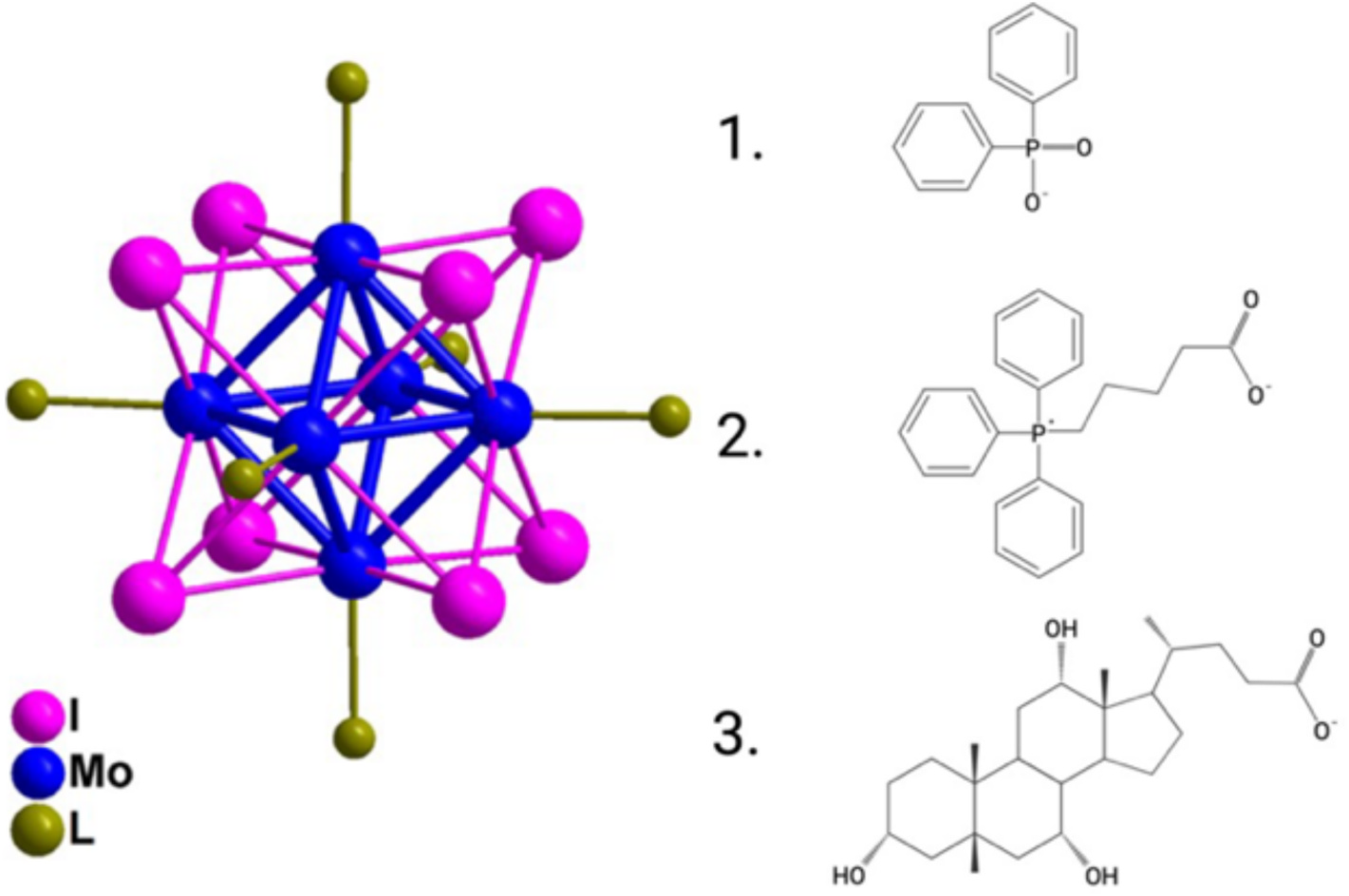
Enter natural deep eutectic solvents (NaDES)—a green, skin-friendly alternative to conventional carriers. Researchers formulated semi-solid creams containing three types of octahedral hexa-molybdenum clusters, known for their efficiency in generating singlet oxygen under blue light. For the first time, NaDES served as carriers for these actives, and the creams were tested for stability, viscosity, skin penetration, and singlet oxygen production.
The results were promising: the formulations showed negligible toxicity to human skin cells (HaCaT) in vitro. More importantly, they successfully photoinactivated Staphylococcus aureus and Cutibacterium acnes—the usual suspects behind skin infections—under mild conditions that spare the beneficial skin microbiome. This could mean targeted, antibiotic-free treatments for acne and other dermatological conditions.
While more research is needed, this study shines a light on a future where creams don't just moisturize—they heal, protect, and outsmart resistance.
Key Points
- Mo6 clusters + blue light = singlet oxygen
- NaDES-based creams tested for skin delivery
- Kills skin pathogens, spares healthy microflora
Comments
No comments yet — be the first.