Box–Behnken Design Optimization of Green Extraction from Tomato Aerial Parts and Axillary Shoots for Enhanced Recovery of Rutin and Complementary Bioactive Compounds
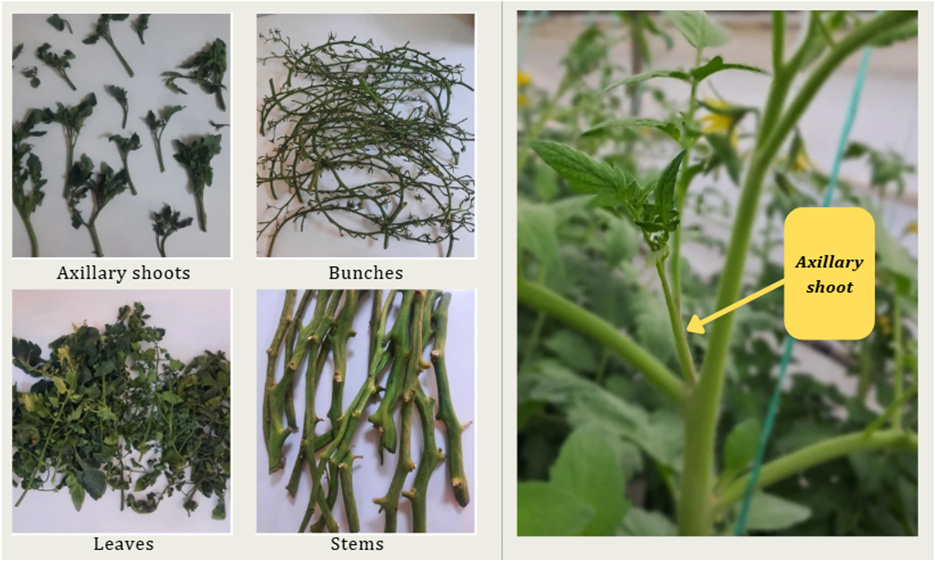
Tomato waste isn't just trash—it's a hidden treasure trove of antioxidants, with a single extraction method yielding over 8.6 grams of rutin per kilogram from axillary shoots.
When you think of tomatoes, you probably picture salads, sauces, or slices on a burger. But the plant's aerial parts and axillary shoots—often discarded after harvest—are far from worthless. Scientists have now shown that these underutilized residues are packed with phytochemical potential, particularly rutin, a powerful antioxidant.
In a recent study, researchers compared two green extraction techniques: microwave-assisted extraction (MAE) and ultrasound-assisted extraction (UAE). Using Box–Behnken design and Response Surface Methodology, they optimized temperature, solvent concentration, and plant-to-solvent ratio to maximize recovery of bioactive compounds. The results were striking: MAE from axillary shoots delivered the highest rutin content—8614.23 mg/kg—and generally outperformed UAE in pulling out primary and secondary metabolites.
But UAE wasn't left in the dust; it excelled at extracting certain micronutrients and specific amino acids. A clever cascade extraction approach further boosted yields of valuable compounds like vitamin E and quinic acid. The study also revealed significant phytochemical differences between aerial parts and axillary shoots, filling a gap in the literature.
This work underscores that tomato waste is a valuable, sustainable source of antioxidants, paving the way for future exploration of their biological activities. Who knew yesterday's salad scraps could hold such promise?
Key Points
- MAE optimized via Box–Behnken yields highest rutin: 8614.23 mg/kg
- Green extraction from tomato waste boosts bioactive recovery
- Cascade extraction enhances vitamin E and quinic acid
Comments
No comments yet — be the first.