Camellia-Derived Bioactive Compounds: Research Advances and Application Prospects in Dermatology
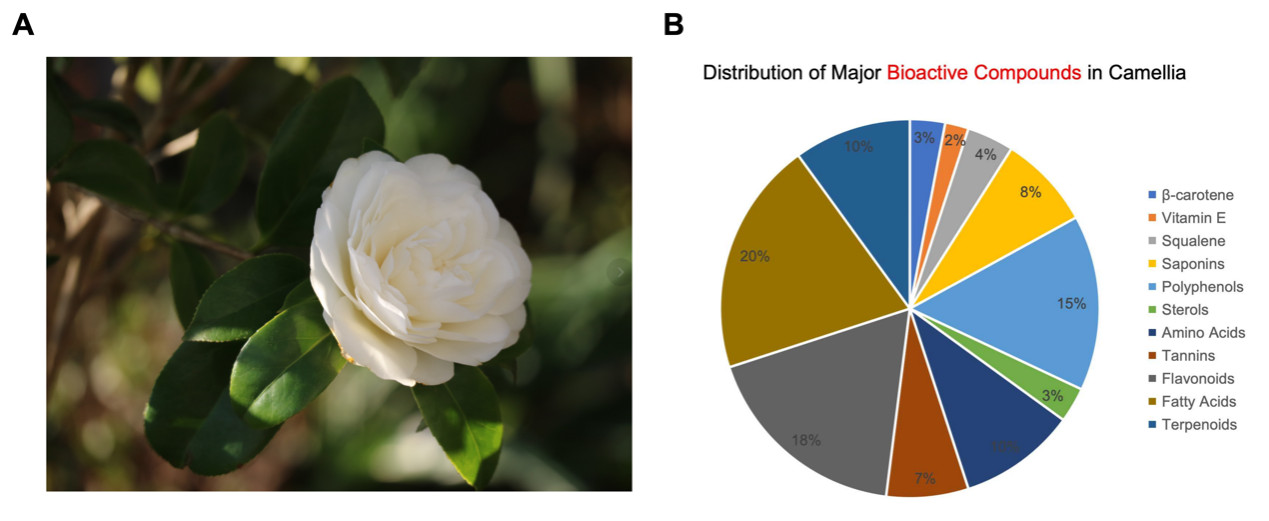
The flower that graces your garden could be the next big thing in skincare—Camellia japonica is packed with compounds that fight aging, brighten skin, and soothe inflammation.
Camellia japonica, a plant long used in traditional East Asian medicine, is now catching the eye of cosmetic scientists. Its leaves, petals, and seeds are a treasure trove of bioactive molecules: polyphenols, saponins, terpenoids, sterols, and fatty acids. These natural compounds are in high demand as consumers seek effective, eco-friendly skincare ingredients.
Among these, terpenoids and polyphenols—including phenolic acids, flavonoids, and tannins—are potent antioxidants that combat aging. Camellia saponins act as gentle, natural cleansers, while phytosterols, amino acids, proteins, and seed fatty acids work together to strengthen the skin's barrier and lock in moisture. This synergy makes Camellia a promising candidate for treating photo-aging, hyperpigmentation, inflammation, and barrier damage.
However, hurdles remain: scientists don't yet fully understand how these compounds are made, extraction methods are not optimal, and studies on their combined effects and human safety are scarce. The review calls for advanced omics tools and green extraction techniques to unlock Camellia's full potential in cosmetics, drugs, and beyond.
Key Points
- Camellia japonica offers antioxidants, saponins, and fatty acids for skin health.
- Compounds target photo-aging, hyperpigmentation, inflammation, and barrier damage.
- Challenges: biosynthesis, extraction, synergy, and human safety data.
Comments
No comments yet — be the first.