Circular Economy of Olive-Derived Polyphenols: Integrating Green Extraction, Biopolymer Encapsulation, and Advanced Analytical Strategies
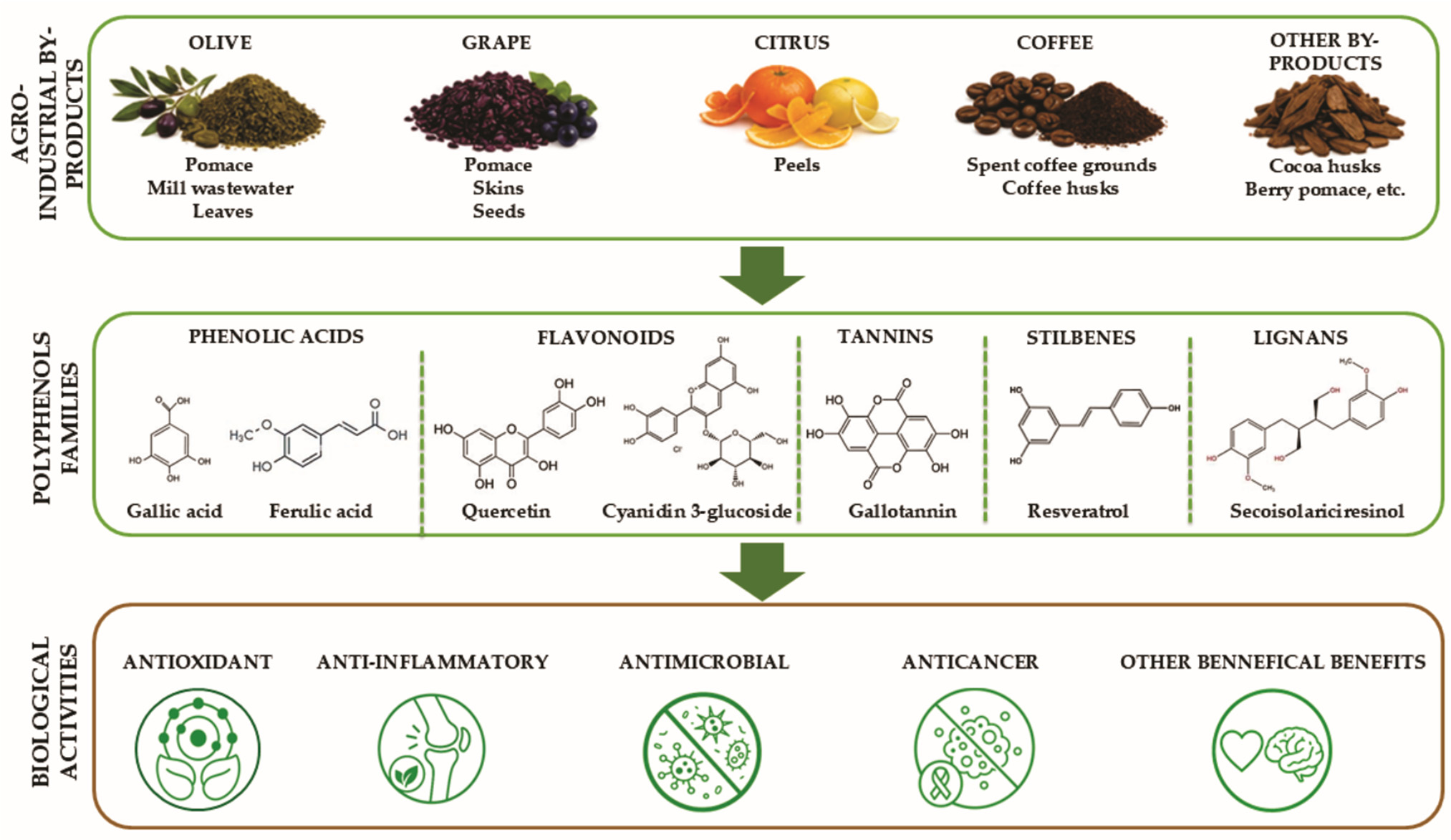
Every year, the olive oil industry discards millions of tons of waste—yet hidden within that waste are some of nature's most powerful health-promoting molecules. Could this humble by-product hold the key to a greener, healthier future?
The olive oil industry generates enormous amounts of by-products—olive pomace and olive mill wastewater—that are often treated as waste. Yet these residues are treasure troves of polyphenols, natural compounds known for their antioxidant, anti-inflammatory, and antimicrobial properties. In a circular economy, this "waste" becomes a valuable resource, transformed into high-value ingredients for food, pharmaceuticals, and cosmetics.
Recent advances are making this transformation even smarter. Green extraction technologies—such as ultrasound, microwave, enzyme, and membrane-assisted methods—along with eco-friendly solvents, now recover polyphenols with minimal environmental footprint. To keep track of these compounds, scientists use advanced analytical tools: chromatography, spectrometry, electrophoresis, and miniaturized devices that identify and quantify each polyphenol with precision.
But recovery is only half the story. To truly harness their benefits, polyphenols need protection. Biopolymer-based encapsulation systems are stepping in, enhancing stability, controlling release, and improving bioaccessibility and bioavailability. This ensures that the active molecules survive digestion and reach their targets in the body.
Despite these breakthroughs, challenges remain. The review highlights the need to integrate green extraction, robust analytical methods, and advanced delivery systems into a seamless workflow. Only then can we fully unlock the sustainable potential of olive by-products, turning waste into wellness on a global scale.
Key Points
- Olive waste is rich in health-promoting polyphenols.
- Green extraction and advanced analytics improve recovery.
- Biopolymer encapsulation boosts stability and bioavailability.
Comments
No comments yet — be the first.