Citrus aurantium Flowers: Overview of Chemistry, Functionality, and Technological Applications
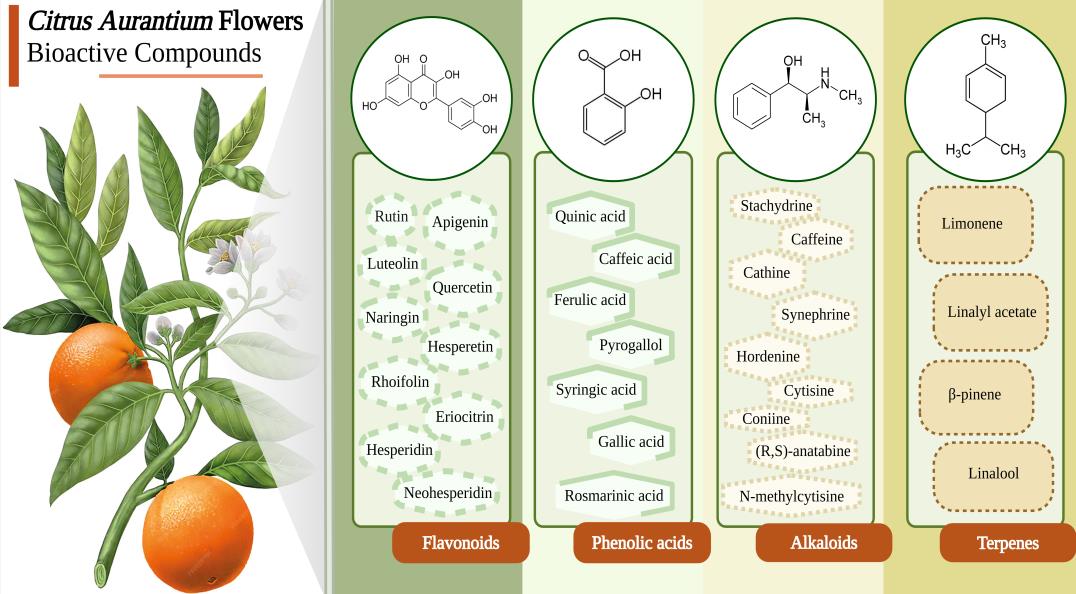
Did you know that the fragrant blossom of the bitter orange tree is a hidden powerhouse of health-boosting compounds? From fighting cancer to protecting your heart, this flower is more than just a pretty bloom.
Bitter orange, scientifically known as Citrus aurantium L., is a member of the Rutaceae family and has been a staple in traditional medicine across the globe. Its various parts have long been used to treat ailments, but the blossom is particularly intriguing. This flower is packed with bioactive compounds, including polyphenols, alkaloids, and terpenes, which are responsible for its impressive therapeutic potential.
These compounds exhibit a range of health-promoting properties, such as antioxidant, antidiabetic, anticancer, antimicrobial, cardiovascular, and neuroprotective effects. However, unlocking these benefits depends heavily on the extraction methods used. While conventional techniques have been explored, they often require more time, energy, and solvents. In contrast, green extraction methods have emerged as a smarter alternative, significantly boosting yield while reducing resource consumption.
This review highlights the vast, untapped potential of bitter orange blossoms. By delving into the chemistry and functionality of its active compounds, the authors aim to pave the way for future research and technological applications. It's a reminder that sometimes, the most valuable treasures are hidden in plain sight—or in this case, in a fragrant flower.
Key Points
- Bitter orange flowers are rich in polyphenols, alkaloids, and terpenes.
- Compounds show antioxidant, antidiabetic, anticancer, and neuroprotective effects.
- Green extraction boosts yield, cutting time, energy, and solvent use.
Comments
No comments yet — be the first.