Comparative evaluation of natural deep eutectic and conventional solvents for the extraction of bioactive compounds from saffron petals
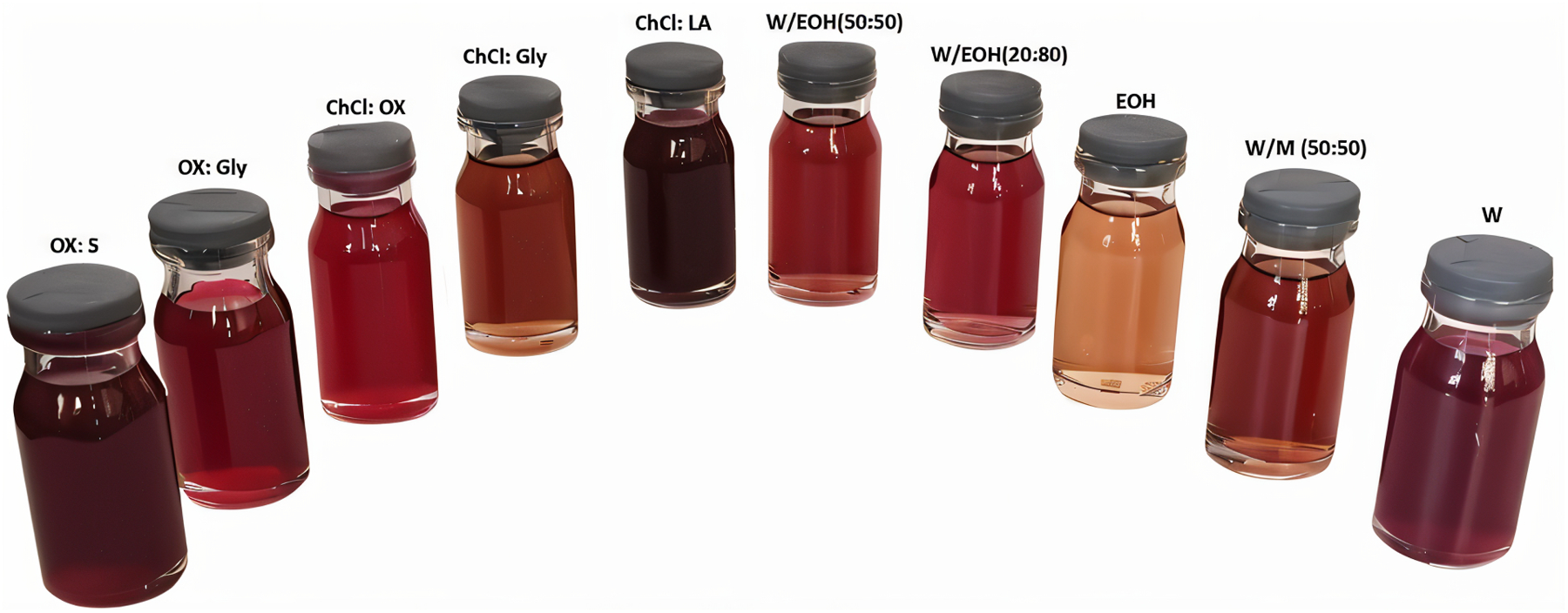
Saffron petals are often discarded, yet they hide a treasure trove of health-boosting compounds. Could a green, biodegradable solvent unlock their full potential?
Saffron petals, the colorful by-product of Crocus sativus, are packed with phenolics, anthocyanins, and flavonoids—but they are usually wasted. A new study systematically compared six conventional solvents, like ethanol and methanol, with five natural deep eutectic solvents (NADESs), including choline chloride:lactic acid (ChCl:LA). The goal? To see which extracts these bioactive compounds most effectively.
The results are striking. ChCl:LA emerged as the star performer, achieving the highest levels of total monomeric anthocyanins (11.63 mg/g), total phenolics (83.04 mg GAE/g), and antioxidant activity (90.29%). ChCl:Gly also showed promise. Beyond extraction power, NADES-based extracts displayed superior pigment retention and stability over a 2-month test, as confirmed by colorimetric analysis.
But the benefits didn't stop there. Antimicrobial tests revealed that NADES extracts, especially ChCl:LA, strongly inhibited E. coli and S. aureus, while most conventional solvents showed weak effects. Remarkably, the ChCl:LA extract remained biocompatible, keeping cell viability above 80% in fibroblast tests.
This positions ChCl:LA as a food-grade, biodegradable, and multifunctional solvent—not just a greener choice, but a smarter one for unlocking the hidden value in agricultural waste.
Key Points
- ChCl:LA achieved highest anthocyanins, phenolics, and antioxidant activity in saffron petals.
- NADES extracts showed superior pigment stability and antimicrobial effects vs. conventional solvents.
- ChCl:LA extract remained biocompatible with cell viability above 80%.
Comments
No comments yet — be the first.