Comparative evaluation of ultrasound-assisted extraction with other green extraction methods for sustainable recycling and processing of date palm bioresources and by-products: A review of recent research
Date palm waste isn't just trash—it's a treasure trove of bioactive compounds. But can we unlock it without harming the planet?
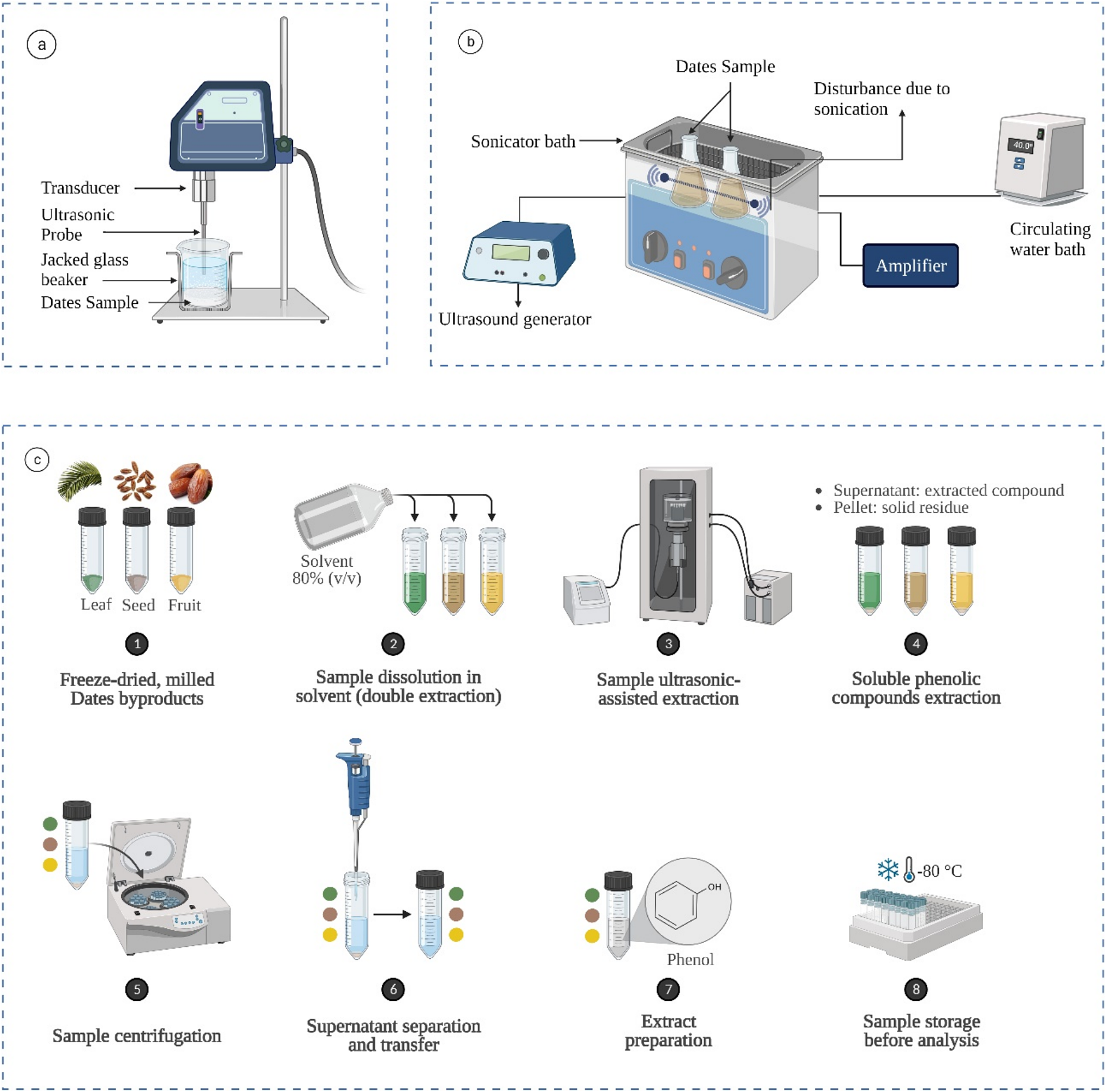
The global food waste crisis is choking our planet, fueling climate change, polluting water, and degrading land. Yet, hidden within date palm waste—seeds, fronds, and fruit pulp—lies a goldmine of bioactive compounds with immense potential for food, pharmaceutical, and cosmetic industries. This review dives into cutting-edge green extraction methods, comparing ultrasound-assisted extraction with pressure-based techniques, pulsed electric fields, microwaves, and natural deep eutectic solvents. These methods promise to recover antioxidants and phenolics while minimizing harmful solvents and high temperatures. Efficiency hinges on critical factors like extraction time, solvent type, temperature, and pressure—optimizing these can boost yields while shrinking environmental footprints. The study suggests that combining techniques may further refine the process, paving the way for a circular economy in food production. By championing sustainable extraction, this research directly supports UN SDG 12 (Responsible Consumption and Production) and SDG 13 (Climate Action), turning waste into worth—responsibly.
Key Points
- Date palm waste is a rich source of bioactive compounds.
- Ultrasound, pressure, pulsed electric fields, microwaves, NADES compared.
- Optimizing time, solvent, temperature, pressure boosts sustainability.
Comments
No comments yet — be the first.