Comparative phenolic content and antioxidant activity of some medicinal plant extracts prepared by choline chloride based green solvents and methanol
What if the key to unlocking the power of Himalayan medicinal plants lies not in harsh chemicals, but in a sugar-and-salt mix? A new study reveals that green solvents can outperform traditional methanol.
Deep in the north-western Himalayas, three medicinal plants—Ocimum sanctum, Terminalia bellerica, and Terminalia chebula—hold a treasure trove of polyphenols. But extracting these compounds has long relied on methanol, a solvent that works well but comes with environmental baggage. Now, scientists have turned to natural deep eutectic solvents (NADESs), a class of green solvents made from renewable ingredients like choline chloride and sugars.
In their study, the team tested five choline chloride-based NADESs, each paired with a different partner: glucose, fructose, xylose, glycerol, or malic acid. The results were striking—every single NADES outperformed methanol in extracting phenolic compounds. Among them, the choline chloride:malic acid:water mixture was the star, pulling out the highest levels of polyphenols.
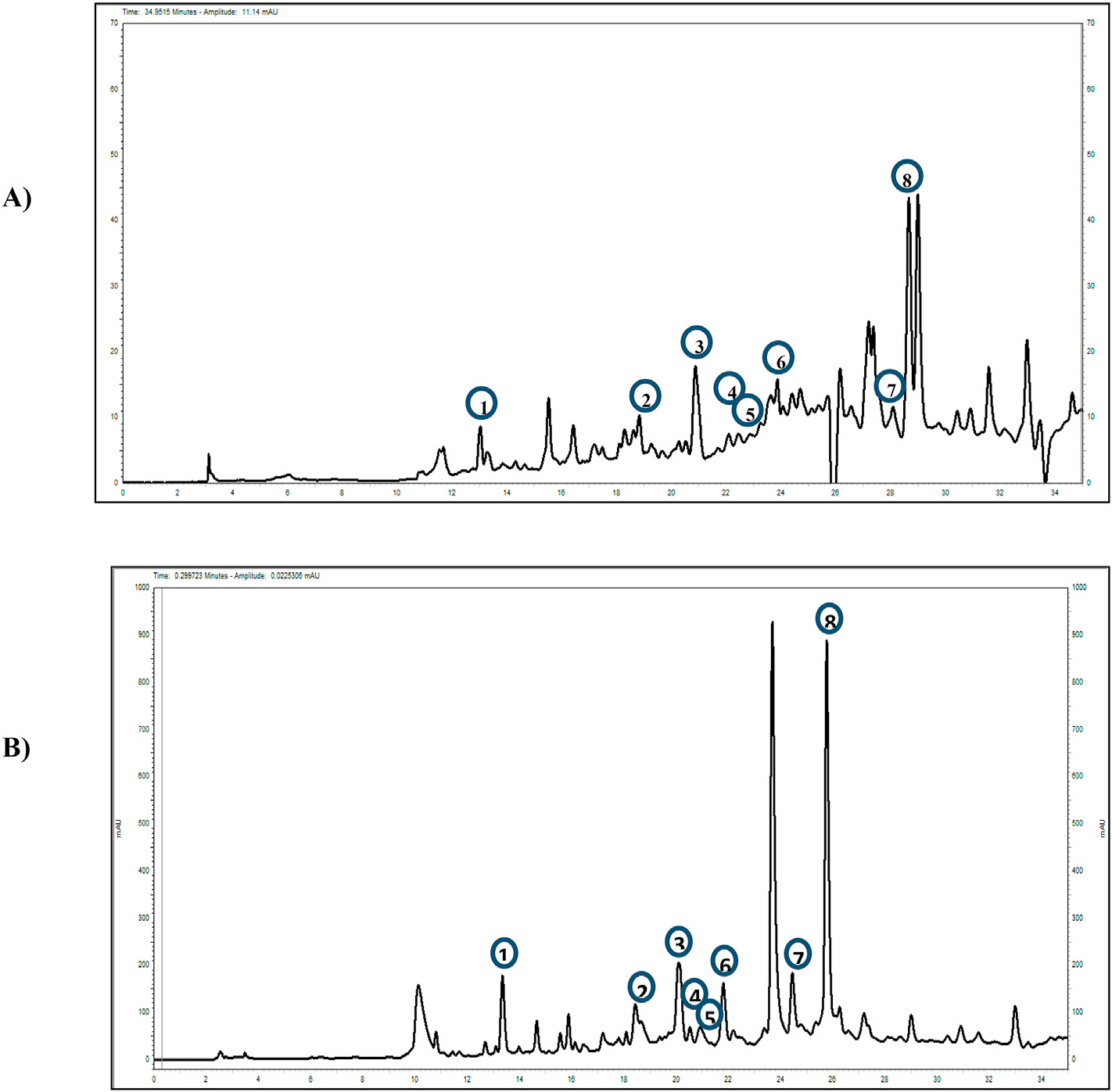
But the story doesn't end there. The extracts with more phenolics also showed stronger antioxidant activity, including DPPH radical scavenging, ferric reducing power, and α-glucosidase inhibition—an enzyme linked to diabetes management. HPLC analysis confirmed the phenolic profiles, solidifying the link between green extraction and bioactivity.
The takeaway? NADESs offer an efficient, safe, and eco-friendly alternative to methanol for medicinal plant research. It's a win-win for science and the planet.
Key Points
- NADESs beat methanol in phenolic extraction.
- Choline chloride:malic acid:water was most effective.
- Extracts with more phenolics showed higher antioxidant activity.
Comments
No comments yet — be the first.