Comparison of different methods for the removal of natural deep eutectic solvents after gas-expanded liquids extraction of bioactive compounds from orange by-products
What if the waste from your morning orange juice could become a weapon against Alzheimer's? Scientists are turning citrus peels into neuroprotective extracts—but first, they must clean up the green chemistry mess.
Millions of tons of oranges become juice each year, leaving behind peels, pulp, and seeds—a treasure trove of bioactive compounds. In a new study, researchers used gas-expanded natural deep eutectic solvents (NADES) to extract these compounds, focusing on their potential to protect brain cells. But extraction is only half the battle; the NADES must be removed to obtain a pure, usable extract.
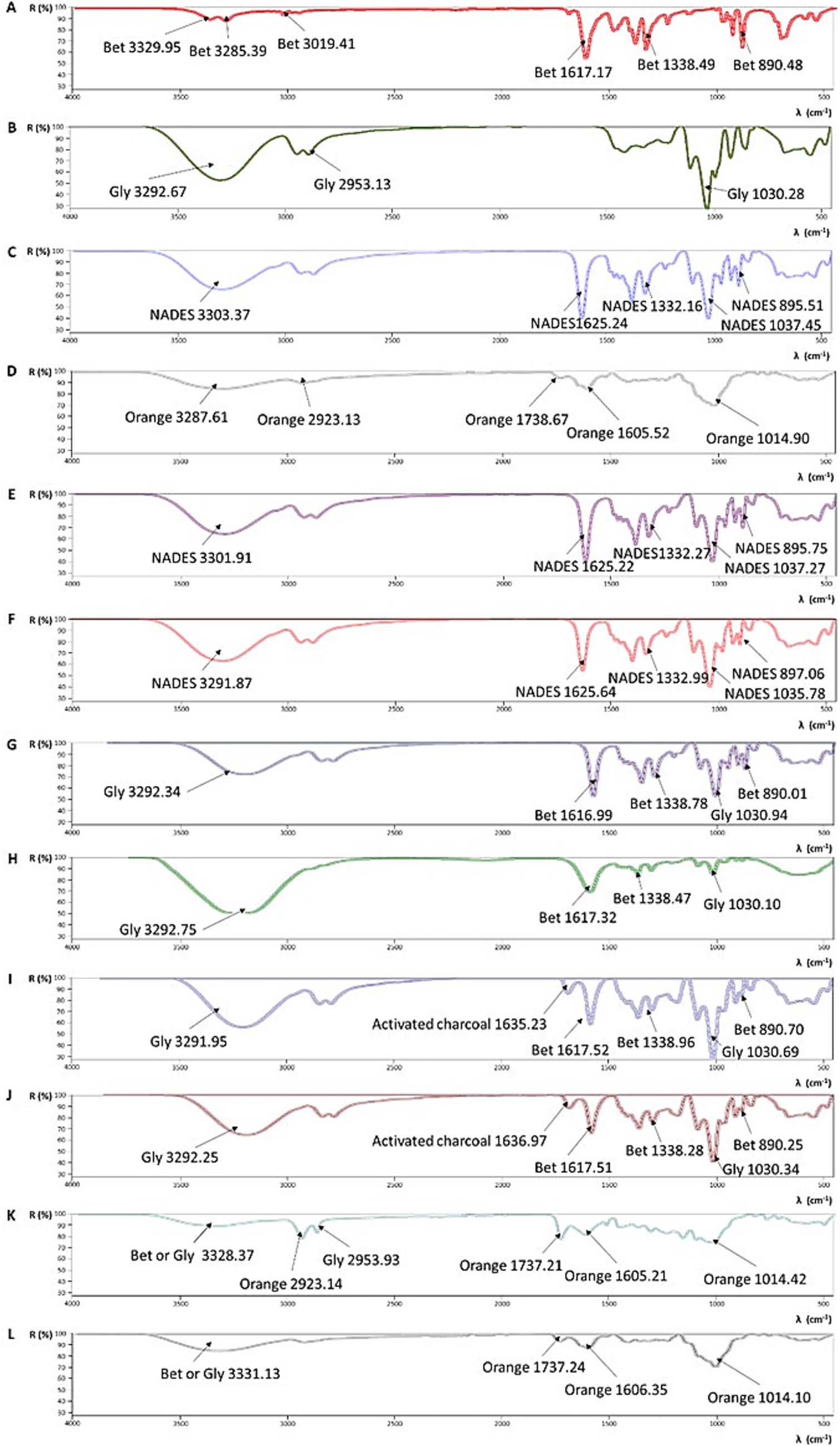
The team tested three cleaning methods: solid-phase extraction with C18, activated charcoal, and antisolvent techniques. The winner? Ethanol combined with activated charcoal, which recovered the highest amounts of flavonoids, limonoids, and terpenes—and showed the strongest neuroprotective activity. Meanwhile, for the leftover biomass, acetone as an antisolvent proved most effective at eliminating NADES while preserving carotenoids.
This work demonstrates a practical path to NADES-free extracts that retain their bioactive power. It's a step toward turning citrus waste into functional ingredients for health, potentially offering new hope in the fight against age-related neurodegenerative diseases like Alzheimer's.
Key Points
- Ethanol plus charcoal best recovers bioactive compounds.
- Acetone antisolvent effectively removes NADES from biomass.
- Extracts show neuroprotective activity for Alzheimer's potential.
Comments
No comments yet — be the first.