Comparison of Maceration and Ultrasonication for Green Extraction of Phenolic Acids from Echinacea purpurea Aerial Parts
What if the secret to a greener, more effective cold remedy lies in a humble, non-toxic solvent? A new study shows that glycerol, a renewable byproduct, can rival ethanol in extracting healing compounds from the purple coneflower.
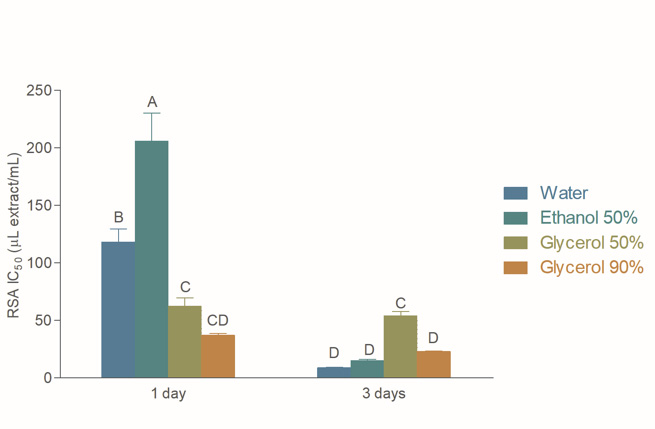
Echinacea purpurea has long been a trusted ally against the common cold and minor wounds. But the way we extract its active ingredients often relies on harsh solvents. A recent study pitted traditional maceration—soaking plant material in liquid—against modern ultrasound assistance, all while swapping ethanol for glycerol, a biodegradable and non-toxic solvent derived from renewable sources. The results are striking: glycerol-water mixtures proved just as effective as ethanol-water mixtures at pulling out caffeic acid derivatives, the key phenolic acids responsible for the plant's benefits. All extracts showed notable antiradical activity, meaning they can neutralize harmful free radicals. The team then optimized an ultrasound-assisted method using glycerol-water, testing six variables. The sweet spot: 90% glycerol, 70°C, 72 watts of ultrasound power, 40 minutes, and no added ascorbic acid. Under these conditions, ultrasound extraction significantly outperformed maceration, yielding higher amounts of phenolic acids in less time. The presence of zinc in the plant may add to its therapeutic effects. Best of all, because glycerol is non-toxic and humectant, the resulting extracts can be used directly in cosmetics or oral medicines without costly solvent removal.
Key Points
- Glycerol-water matches ethanol-water for caffeic acid extraction.
- Ultrasound extraction beats maceration in yield and time.
- Glycerol extracts are safe for direct use in cosmetics and medicine.
Comments
No comments yet — be the first.