Comparison, optimization and antioxidant activity of ultrasound-assisted natural deep eutectic solvents extraction and traditional method: A greener route for extraction of flavonoid from Moringa oleifera Lam. leaves
Move over, toxic solvents—there's a greener way to unlock the antioxidant power of Moringa leaves, and it's 1.7 times more effective.
Moringa oleifera, a leafy superfood from India, is packed with flavonoids—natural antioxidants that protect cells from damage. But extracting them has often relied on harsh, polluting solvents. Now, scientists have found a smarter, eco-friendly alternative: natural deep eutectic solvents (NADES) combined with ultrasound.
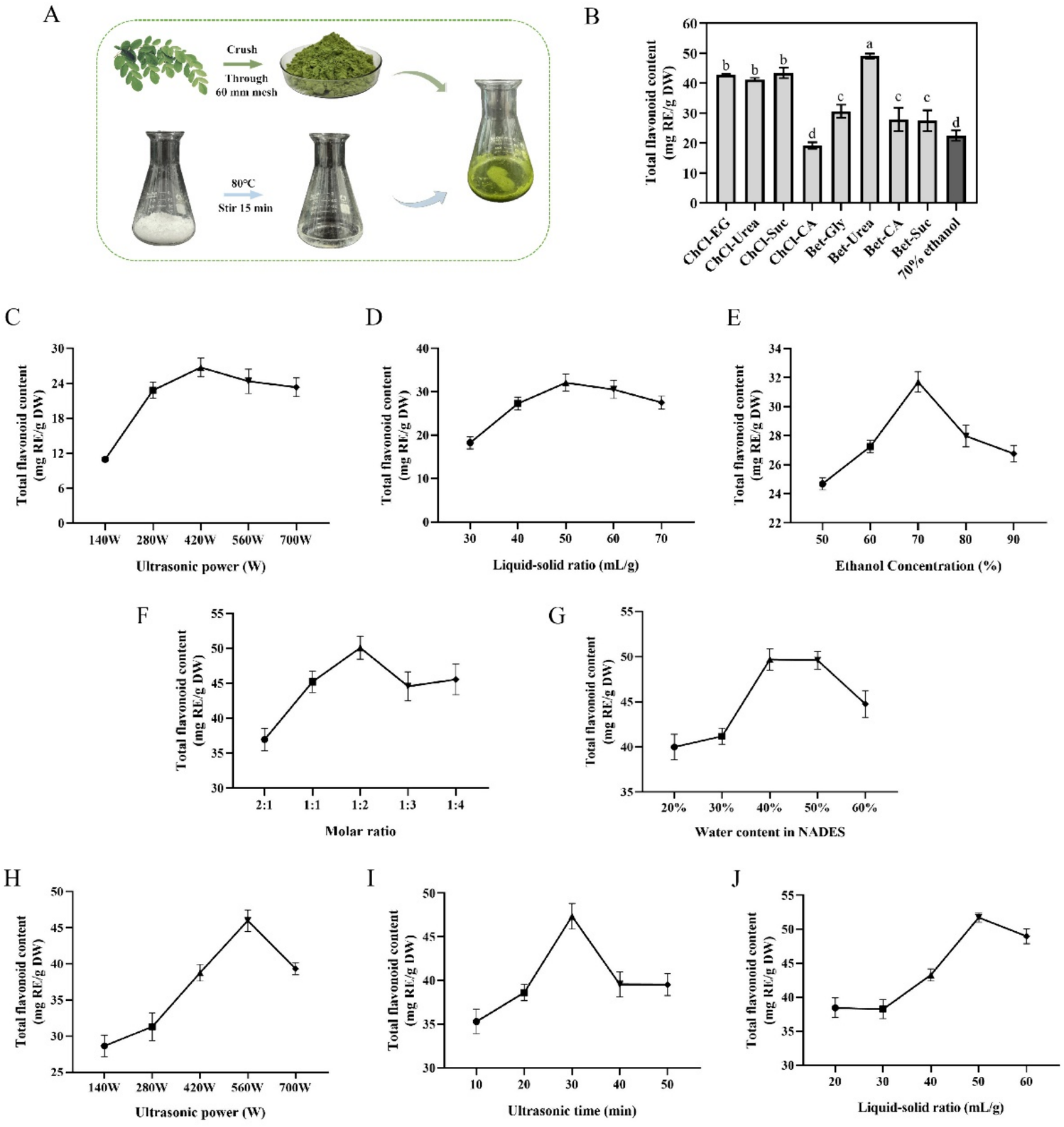
In a new study, researchers optimized the extraction process using a NADES made from betaine and urea. With the right ultrasonic power, time, and liquid-to-solid ratio, they achieved a flavonoid yield of 54.69 mg per gram of dry leaf—a 1.7-fold jump over traditional solvent extraction. The key players? Quercetin 3-β-D-glucoside, rutin, and other flavonoid heavyweights, all confirmed by high-resolution mass spectrometry.
To explain the success, the team used a computational model called COSMO-RS, which predicted perfect compatibility between the solvent and the target flavonoids. And when tested in vitro, the NADES-extracted compounds showed superior antioxidant activity compared to those from conventional methods.
This greener route not only boosts yield but also preserves the bioactivity of the compounds, offering a sustainable path for the food industry. It's a win for science, health, and the planet.
Key Points
- NADES + ultrasound boosted flavonoid yield 1.7-fold vs traditional solvents.
- Betaine-urea NADES achieved 54.69 mg RE/g DW.
- NADES extracts showed superior antioxidant activity in vitro.
Comments
No comments yet — be the first.