Comprehensive review of the skin use of bakuchiol: physicochemical properties, sources, bioactivities, nanotechnology delivery systems, regulatory and toxicological concerns
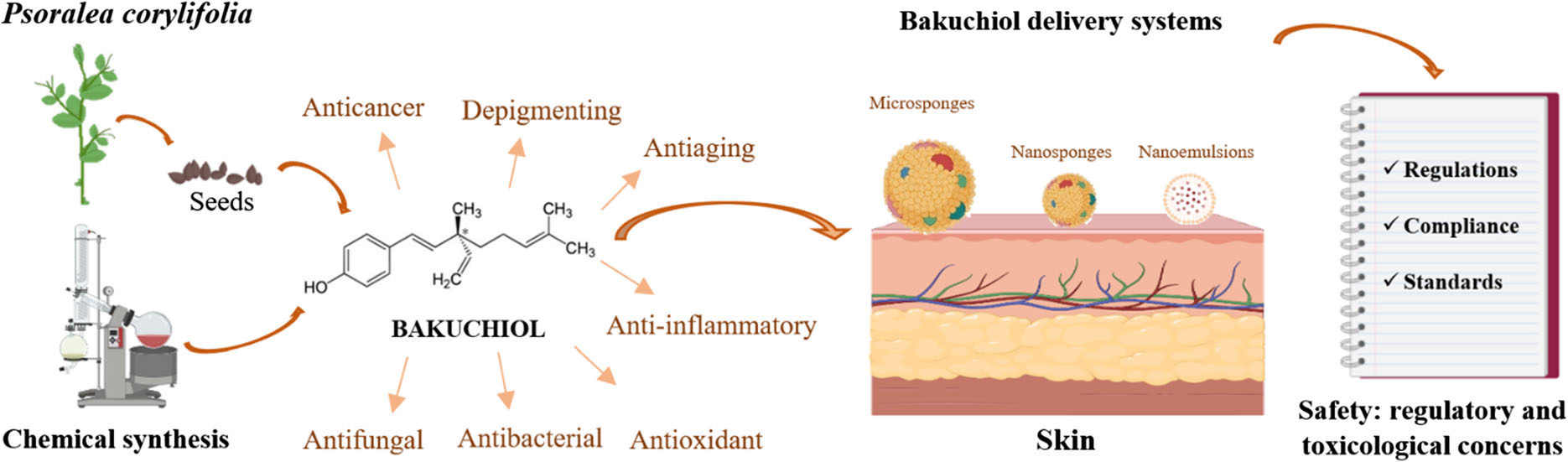
A humble plant seed might hold the key to youthful skin—but its survival is at risk. Bakuchiol, a natural compound from an Asian medicinal herb, is sparking a cosmetic revolution, yet the plant itself is struggling to regenerate.
Bakuchiol is a meroterpene that has recently captured the attention of the cosmetic and pharmaceutical industries. Its primary source is the seeds of Psoralea corylifolia, a medicinal plant native to Asia. However, this valuable herb faces endangerment due to low seed germination rates and high seedling mortality. Scientists are now exploring plant regeneration from root fragments as a possible solution, and using advanced techniques to verify the plant's authenticity and prevent counterfeiting.
Beyond sourcing, the review highlights green extraction methods and chemical synthesis routes to obtain bakuchiol sustainably. The compound boasts a wide range of skin-related bioactivities, including antifungal, antibacterial, antioxidant, anti-inflammatory, antiaging, depigmenting, and anticancer effects. Yet its physicochemical properties require innovative delivery systems, such as micro- and nano-sized carriers, to ensure effective skin penetration and stability.
The article also addresses regulatory, metabolic, and toxicological concerns—not just for users, but also for the environment. As bakuchiol gains popularity, understanding these factors is crucial for safe and sustainable use in cosmetic and dermopharmaceutical formulations.
Key Points
- Bakuchiol from Psoralea corylifolia seeds faces plant endangerment.
- Green extraction and chemical synthesis offer sustainable alternatives.
- Nanotechnology delivery systems enhance skin benefits and safety.
Comments
No comments yet — be the first.