Comprehensive review on Cistanche: Bioactive compounds, extraction processes, pharmacology and prospects in functional foods
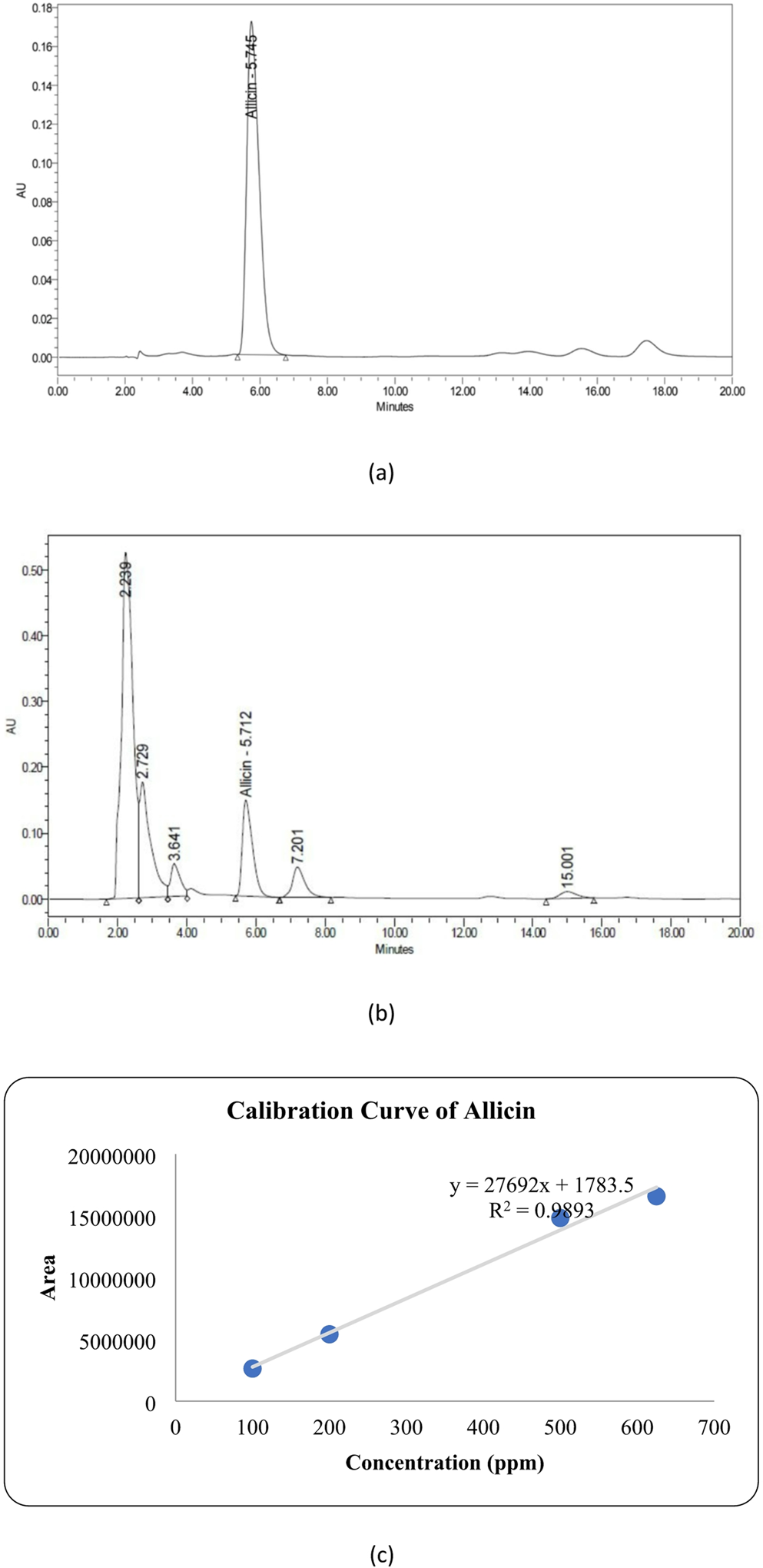
What if one plant could unlock a greener way to extract a potent garlic compound? This study reveals how subcritical water, without a drop of organic solvent, maximizes allicin recovery.
Garlic's health-boosting allicin is notoriously fragile, but a new extraction method may change the game. Researchers harnessed subcritical water—water under high pressure and temperature—to pull out allicin and hydrolyze its precursor alliin in one closed step, skipping organic solvents entirely. It's a single-step, eco-friendly process that's both efficient and scalable.
To fine-tune the extraction, the team used Response Surface Methodology, varying temperature, flow rate, and time. The sweet spot emerged at 150°C, 4 mL/min, and 30 minutes, yielding the highest allicin concentration (2.548 mg per gram of sample) and extract yield (1.695 g). Solubility analysis further highlighted how solvent polarity and mass transfer efficiency dance under subcritical conditions.
Kinetic modeling with Esquivel and Brunner models showed excellent fits (R² = 0.984–0.999), confirming that diffusion controls the extraction. The Brunner model proved superior in prediction. This approach unifies hydrolysis and extraction, offering a cleaner, scalable route to bioactive compounds—a boon for functional foods and beyond.
Key Points
- Subcritical water extraction recovers allicin without organic solvents.
- Optimal conditions: 150°C, 4 mL/min, 30 min.
- Brunner model predicts diffusion-controlled extraction accurately.
Comments
No comments yet — be the first.