Deep Eutectic Systems: A Game Changer for Marine Bioactives Recovery
What if the secret to unlocking the ocean's pharmaceutical treasures lies not in harsh chemicals, but in a spoonful of sugar and salt? Deep eutectic solvents are flipping the script on marine extraction.
The ocean is a pharmacy, but its shelves have been hard to reach. For years, scientists have struggled to extract valuable bioactive compounds from marine organisms, facing low yields and toxic solvents. Enter deep eutectic solvents (DESs) and their natural cousins, NADESs—green alternatives that are biodegradable, safe, and surprisingly selective. They're not just eco-friendly; they're efficient, offering a sustainable shortcut to the sea's chemical treasures.
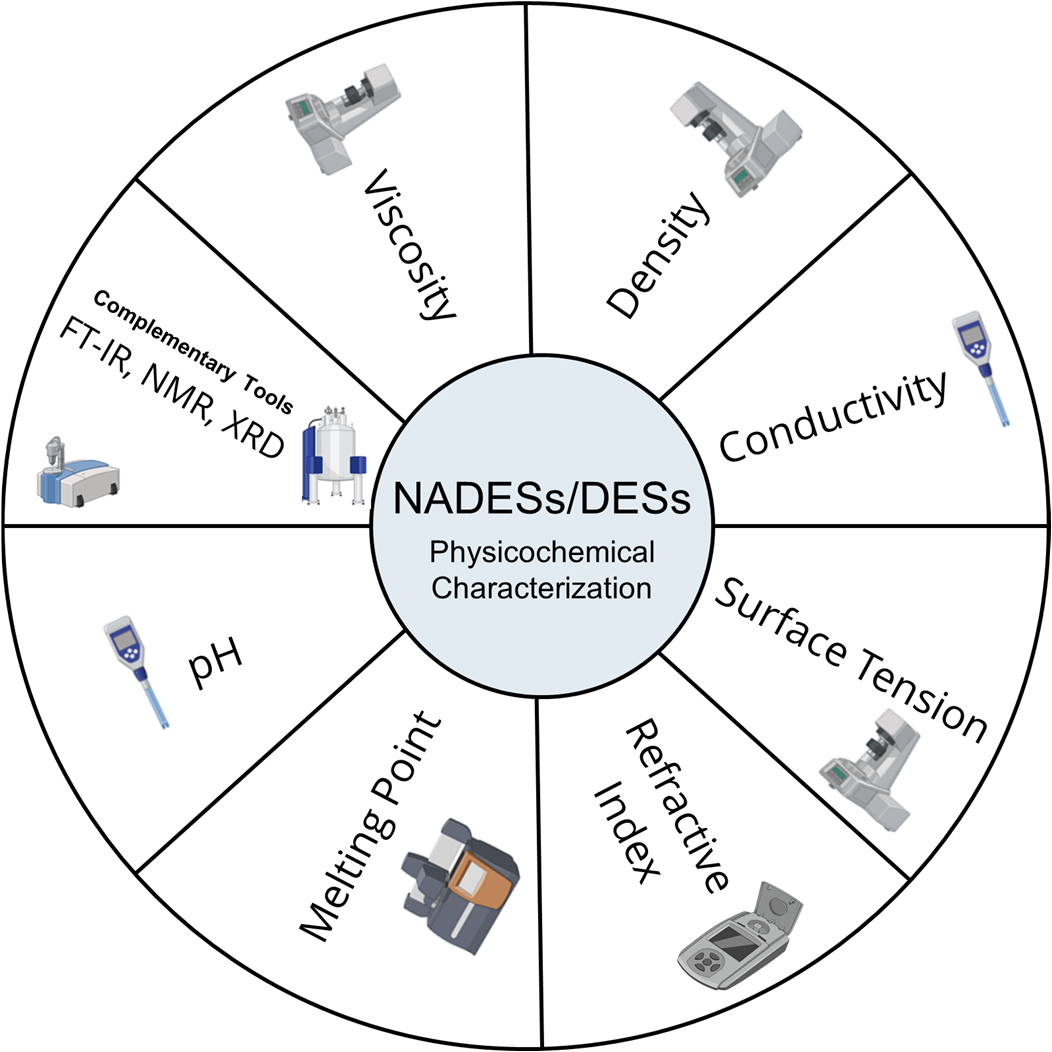
This review dives deep into the science, exploring how these solvents work and where they shine. Recent successes include pulling carrageenan from red seaweed, pigments from Palmaria palmata, and polyphenols and proteins from brown seaweeds. Even marine waste—crab shells, shrimp shells, fish leftovers, and tilapia viscera—can be transformed into valuable extracts, from chitin to proteins.
But the journey isn't without waves. The authors also tackle the challenges of scaling up from lab to industry, while highlighting success stories that suggest these solvents could be game changers. For marine biotechnology, the tide is turning—toward greener, smarter extraction.
Key Points
- Green solvents boost marine extraction yields safely.
- NADESs recover carrageenan, pigments, polyphenols, proteins.
- Marine by-products yield chitin, lipids, proteins.
Comments
No comments yet — be the first.