Design and evaluation of non-conventional extraction for bioactive compounds recovery from spent coffee (Coffea arabica L.) grounds
What if the coffee grounds in your cup hold a treasure trove of bioactive compounds, waiting to be unlocked by cutting-edge green chemistry?
Spent coffee grounds—the humble leftovers of your morning brew—are more than waste. They are a complex organic matrix hiding bioactive compounds with potential health benefits. But extracting them is no easy feat. The journey from bean to bioactive is fraught with analytical hurdles, where sample preparation often becomes the bottleneck, consuming time and introducing errors that undermine the reliability of the entire investigation.
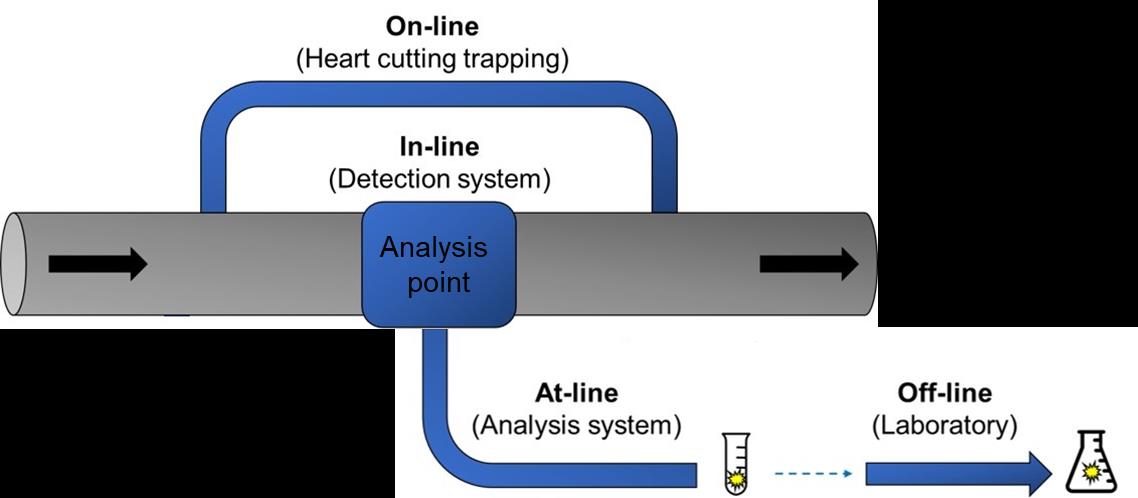
This review dives deep into the science of extraction, comparing the pros and cons of various techniques. It doesn't stop at the bench; it uses bibliometric analysis to map the field's trends, perspectives, and hot topics. The goal: to pave the way for greener, more efficient methods that can seamlessly integrate with on-line detection systems.
For liquid samples, solid-phase extraction emerges as the champion, frequently paired with analytical systems in the literature. When it comes to solid samples like coffee grounds, the green arsenal includes supercritical fluid extraction, ultrasound-assisted extraction, microwave-assisted extraction, and pressurized liquid extraction. These non-conventional techniques are not just alternatives—they are the future of sustainable bioactive recovery.
Key Points
- Sample prep is the most time-consuming, error-prone step.
- Solid-phase extraction dominates for liquid sample analysis.
- Green techniques: supercritical fluid, ultrasound, microwave, pressurized liquid.
Comments
No comments yet — be the first.