Detoxification of comfrey (Symphytum officinale L.) extract using natural deep eutectic solvent (NADES) and evaluation of its anti-inflammatory, antioxidant, and hepatoprotective properties
A medicinal herb with a dark side—comfrey’s healing power is overshadowed by a toxin that harms the liver. But a green solvent might just be the hero that separates the good from the bad.
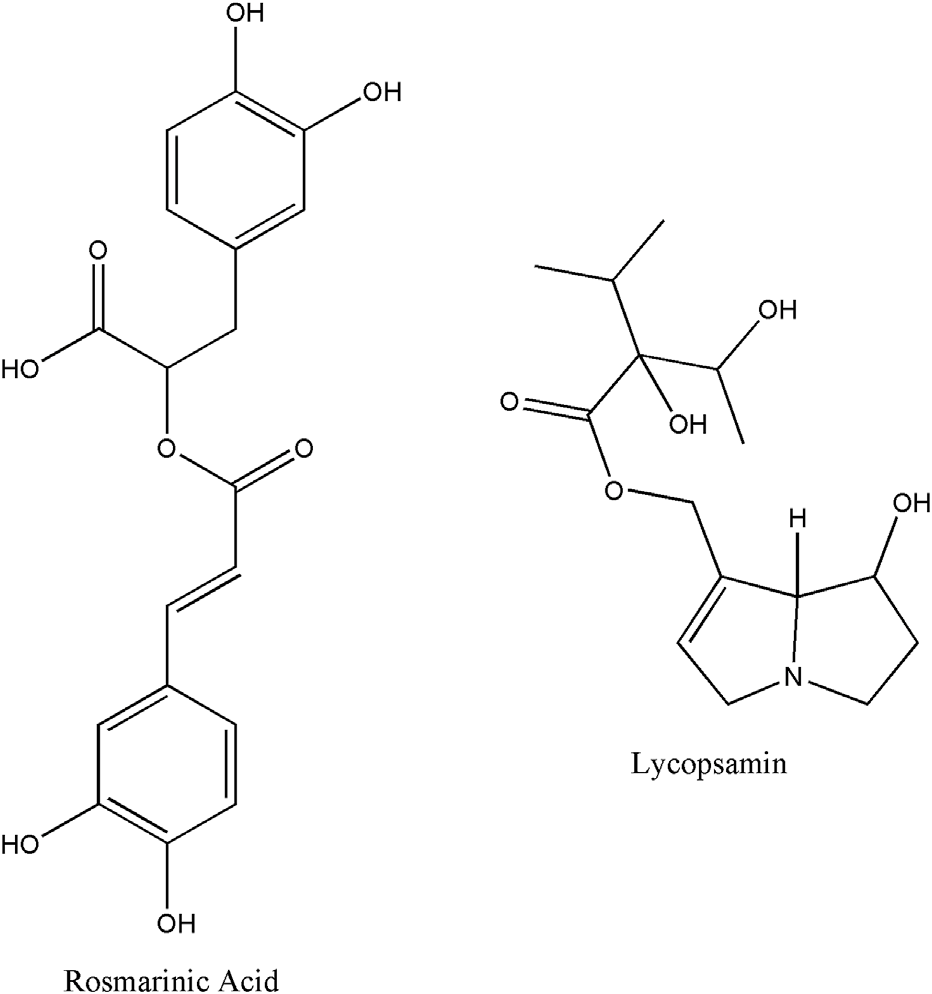
Comfrey has long been prized for its rosmarinic acid, a compound with impressive antioxidant and anti-inflammatory powers. Yet its medicinal use has been limited by a toxic hitchhiker: lycopsamine, which can damage the liver. For years, the plant’s benefits have been trapped behind this safety concern.
Enter natural deep eutectic solvents, or NADES—eco-friendly liquids that act like molecular tweezers. In this study, researchers screened several NADES formulations to see if they could selectively pull out rosmarinic acid while leaving lycopsamine behind. They paired these solvents with ultrasonication, a technique that uses sound waves to speed up extraction.
The standout was betaine-urea, a simple combination of a natural compound and urea. With just 50% water, it extracted the highest amount of rosmarinic acid (1.934 mg/g) and only a trace of lycopsamine (0.018 mg/g). In comparison, traditional methanol extraction under the same conditions yielded far less rosmarinic acid (0.007 mg/g) and more toxin (0.031 mg/g).
The betaine-urea extract also showed stronger antioxidant and anti-inflammatory activity than other NADES extracts—and a lower hepatotoxic profile. This suggests that NADES can detoxify comfrey without sacrificing its medicinal value, opening the door to safer herbal therapies.
Key Points
- Betaine-urea NADES selectively extracts rosmarinic acid over toxic lycopsamine.
- Betaine-urea outperformed methanol, yielding higher rosmarinic acid and lower toxin.
- Detoxified comfrey extract shows strong antioxidant, anti-inflammatory, and low hepatotoxicity.
Comments
No comments yet — be the first.