Dietary Flavonoids Vitexin and Isovitexin: New Insights into Their Functional Roles in Human Health and Disease Prevention
Two humble plant compounds, found in everything from passionflower to bamboo leaves, might just be the multitasking heroes your body has been waiting for.
Vitexin and isovitexin are dietary flavonoids, natural compounds abundant in everyday foods and medicinal plants. For years, they've flown under the radar, but now science is waking up to their impressive range of talents. These molecules don't just do one job—they multitask across your entire body, from your brain to your heart, thanks to their antioxidant, anti-inflammatory, and neuroprotective powers. They even show promise in fighting bacteria and cancer cells, making them a hot topic for disease prevention.
But here's the catch: previous reviews have only told half the story. Some focused solely on vitexin, others zoomed in on specific diseases like cancer or diabetes. Meanwhile, the field has moved on—new synthetic modifications, greener extraction methods, and advanced systems pharmacology are changing the game. This review sweeps in to set the record straight, offering a comprehensive look at how these compounds work, how they travel through the body, and what they could mean for real-world medicine.
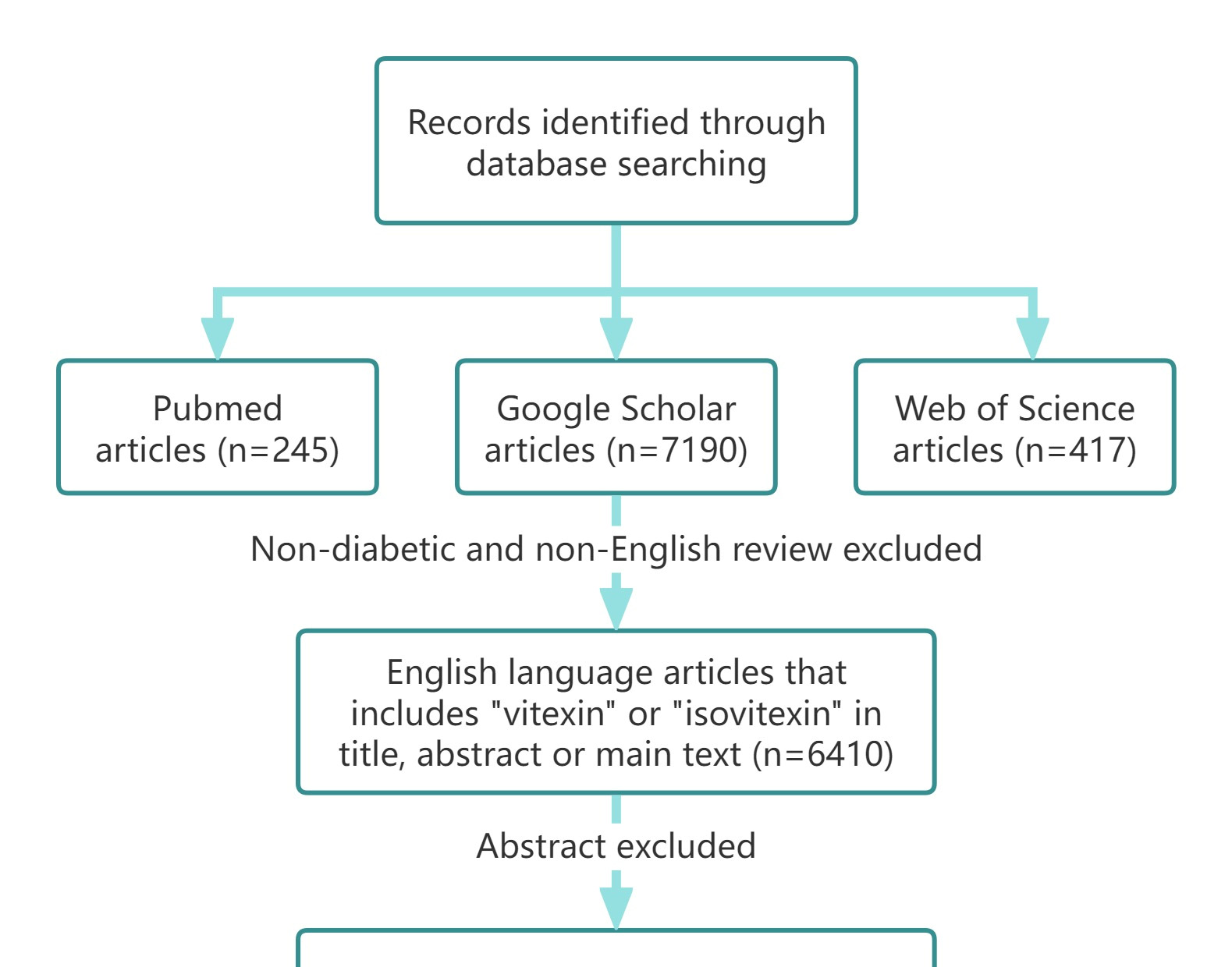
Drawing on the latest research from major scientific databases, the authors bring together the full picture. The takeaway? Vitexin and isovitexin are more than just plant chemicals—they're potential allies in the fight for better health, and we're only just beginning to unlock their secrets.
Key Points
- Vitexin & isovitexin: dietary flavonoids with broad therapeutic potential.
- Act via antioxidant, anti-inflammatory, anticancer, and neuroprotective mechanisms.
- Comprehensive review covers pharmacokinetics and clinical relevance for disease prevention.
Comments
No comments yet — be the first.