Diosgenin: Chemistry, extraction, quantification and health benefits
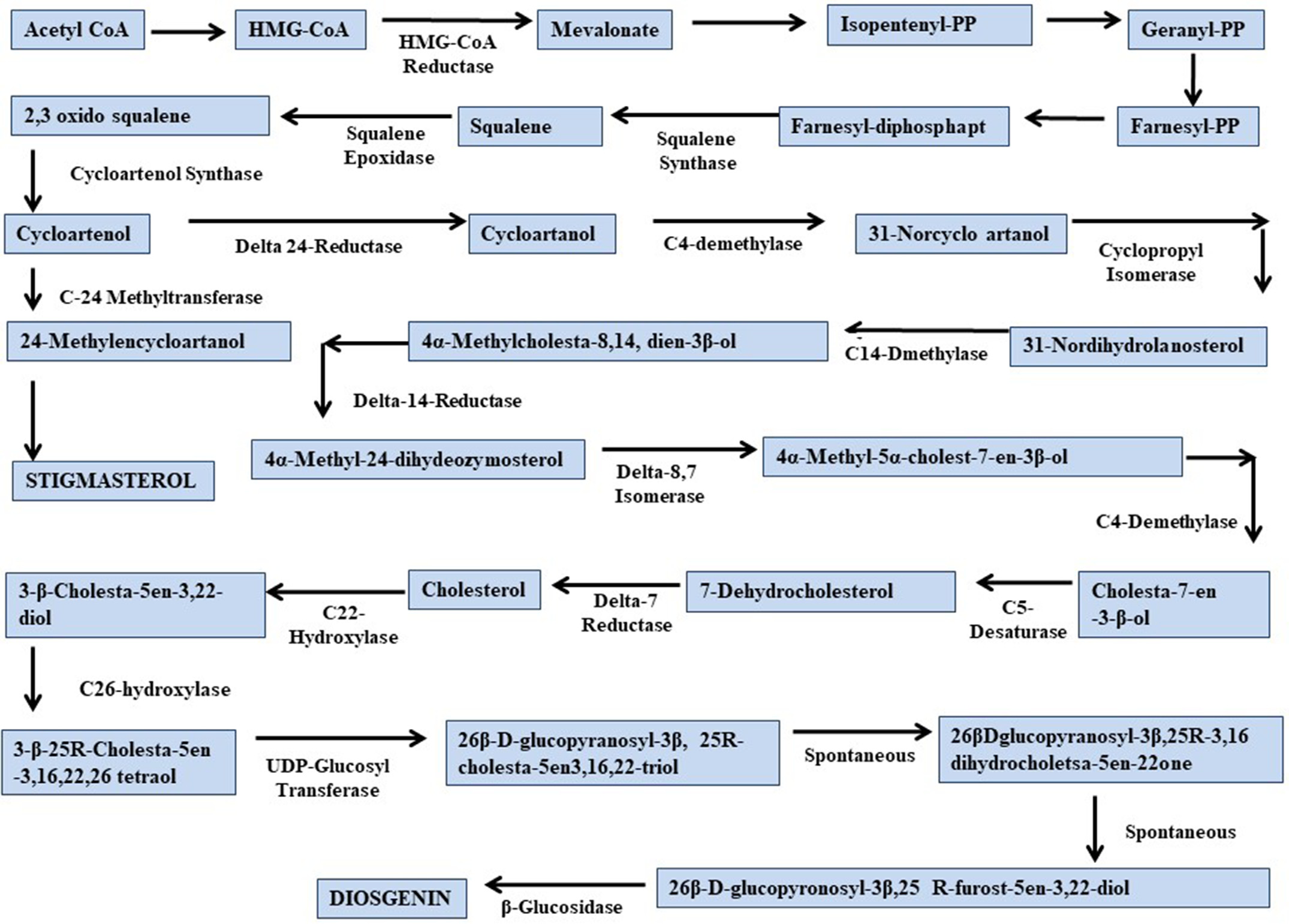
Nature hides a powerful molecule in yams and fenugreek that could rival synthetic drugs—meet diosgenin, a steroidal sapogenin with immense therapeutic promise.
Deep inside common plants like Trigonella foenum graecum (fenugreek), Dioscorea alata (yam), and Smilax china, a remarkable compound called diosgenin quietly works its magic. This steroidal sapogenin, derived from the hydrolysis of dioscin and protodioscin, serves as a crucial precursor for steroidal drugs and hormones. As pharmaceutical industries hunt for natural bioactive sources, diosgenin has emerged as a star candidate.
But extracting this treasure is no simple task. The yield depends heavily on the plant source and the technique used. Modern green methods—ultrasound-assisted, microwave-assisted, supercritical fluid extraction, ionic liquid extraction, and acid hydrolysis—offer efficient ways to obtain diosgenin while causing minimal environmental damage. Once extracted, precise quantification becomes essential, with analytical tools like HPLC, GCMS, UHPLC, and HPLC-DAD ensuring accuracy.
The real excitement lies in diosgenin's health benefits. Studies reveal its biopotency against cancer, diabetes, hyperlipidemia, neurological disorders, and metabolic disturbances. This makes diosgenin a promising delivery vehicle in food matrices for managing chronic diseases. As research deepens, this natural compound could revolutionize how we approach treatment—offering efficacy with fewer side effects than conventional drugs.
Key Points
- Diosgenin is a steroidal sapogenin from plants like fenugreek.
- Green extraction methods include ultrasound, microwave, supercritical fluid.
- Shows biopotency against cancer, diabetes, and neurological disorders.
Comments
No comments yet — be the first.