Eco-friendly dyeing of cotton fabric with waste tea leaves-based tannin natural dye
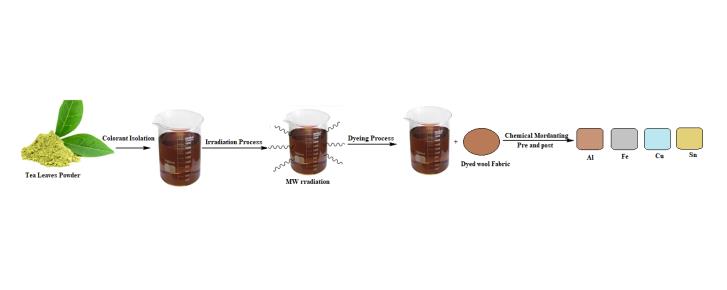
Your leftover tea leaves could be the next big thing in sustainable fashion—turning waste into vibrant, eco-friendly cotton dye with a microwave's help.
Microwaves aren't just for popcorn anymore. Scientists have harnessed their energy to extract natural dyes from tea leaves—turning a common waste product into a colorful, eco-friendly alternative for cotton fabrics. This green approach aligns with growing global demand for sustainable textiles, blending tradition with modern technology.
In the study, tea leaves were zapped with microwave radiation for 1 to 6 minutes in water or basic solutions. The result? A richer color yield (K/S) when using a 6-minute treatment with the basic extract. It's a simple, efficient way to unlock nature's palette without harsh chemicals.
To make the colors last, the team tested mordants—substances that bind dye to fabric. Using 6% copper as a pre-mordant and 8% iron as a post-mordant delivered the best fastness and highest color strength. These metal helpers ensure the vibrant hues survive washing and wear.
This isn't just about pretty fabrics. It's a step toward reducing textile pollution, proving that sustainable practices can be both practical and beautiful. With microwaves doing the heavy lifting, the future of dyeing looks greener—and your tea break just got more purposeful.
Key Points
- Microwave extraction from waste tea leaves yields natural dye.
- 6-minute basic extract gives highest color yield (K/S).
- Cu pre-mordant and Fe post-mordant ensure best fastness.
Comments
No comments yet — be the first.