Eco-friendly extraction of Pistacia lentiscus bioactives: Supercritical CO2 technology and artificial neural networks predictions
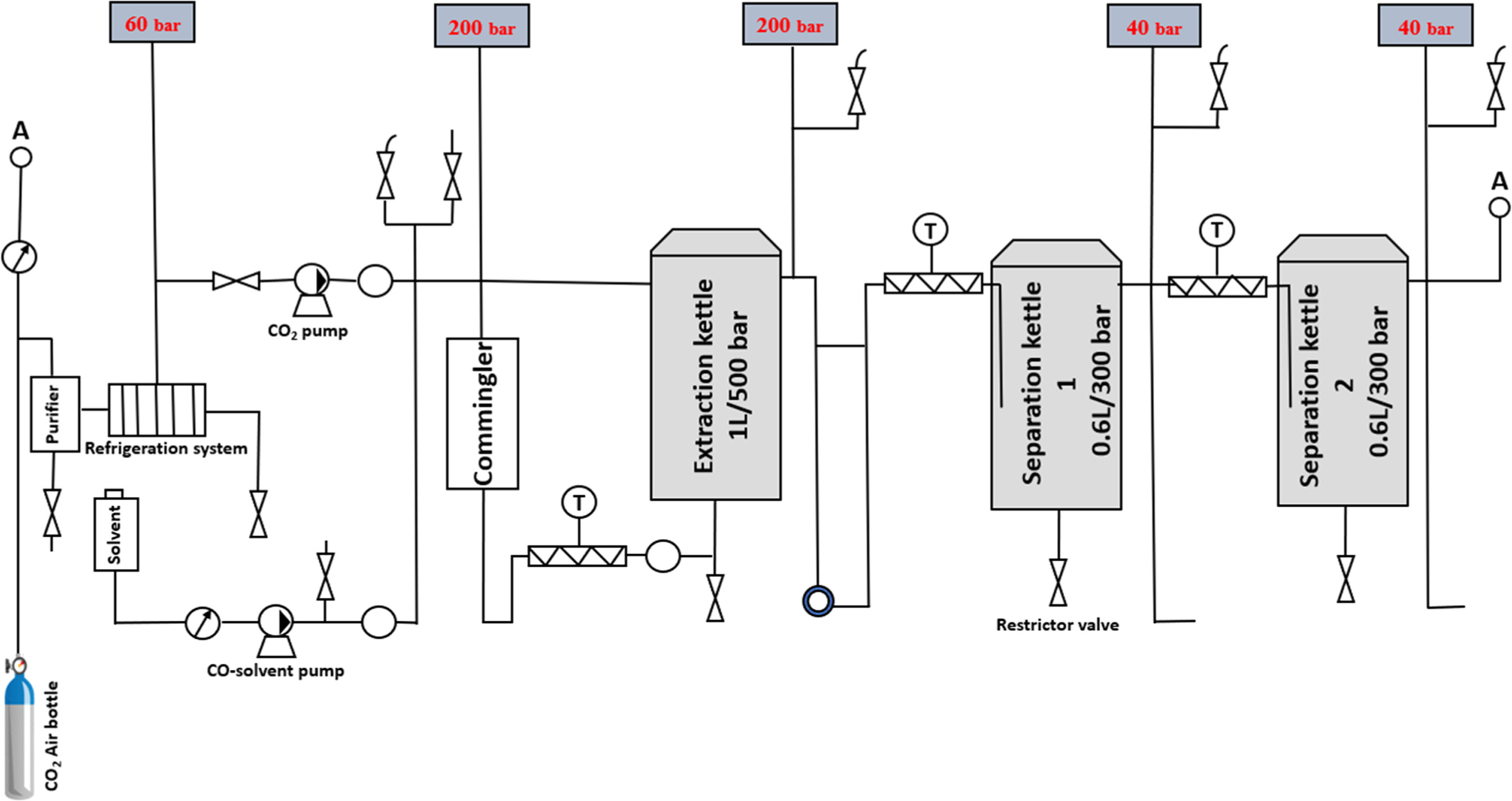
What if the secret to greener, smarter extraction lies in a gas that's already all around us? Supercritical CO2 just turned Pistacia lentiscus leaves into a treasure trove of bioactives—and AI helped find the sweet spot.
Forget harsh solvents. In this study, scientists turned to supercritical CO2—a green, pressurized form of carbon dioxide—to pull valuable compounds from fresh and dried leaves of Pistacia lentiscus, a Mediterranean shrub long prized in traditional medicine. The team varied temperature and pressure, from 35°C to 55°C and 100 to 200 bar, to see how these factors influenced yield and bioactivity. The results were striking: fresh leaves extracted at 100 bar and 35°C delivered a remarkable yield of 48.11%, nearly ten points higher than the best dried-leaf result. But yield wasn't the only star. The same conditions also boosted total phenol content, while antioxidant tests (DPPH) showed impressive IC50 values around 37 mg/mL for both fresh and dried samples. Antidiabetic activity, measured via α-amylase inhibition, followed suit. To make sense of it all, the researchers employed artificial neural networks (ANN)—a form of AI—to model and predict the extraction process. This approach not only optimizes efficiency but also paves the way for smarter, cleaner, and more sustainable production of natural bioactives.
Key Points
- Supercritical CO2 extraction of Pistacia lentiscus leaves
- Fresh leaves yield 48.11% at 100 bar, 35°C
- ANN models predict and optimize extraction process
Comments
No comments yet — be the first.