Eco-friendly Extraction of Proanthocyanidin-Rich Compounds from Tamarind Seed Husk and Their Anti-Liver Cancer Activity
What if the secret to fighting liver cancer lies in a discarded seed husk? Tamarind seed husk, a waste product, hides a powerful antioxidant that may stop cancer cells in their tracks.
Tamarind seed husk (TSH) is often tossed aside as agricultural waste, but scientists have discovered it's a treasure trove of phenolic compounds with potential health benefits. In a recent study, researchers optimized an eco-friendly extraction method using just 60% ethanol or distilled water at varying temperatures, then tested the extracts for antioxidant and anti-liver cancer activities.
The water extract surprised everyone: although it had lower total phenolic content than the ethanol extract, it showed stronger antioxidant activity and was significantly more cytotoxic to HepG2 liver cancer cells, with an IC50 of 44.1 µg/mL after 72 hours—about nine times more potent than the ethanol extract (408.3 µg/mL). It also inhibited cancer cell migration in a dose-dependent manner, suggesting it might help prevent metastasis.
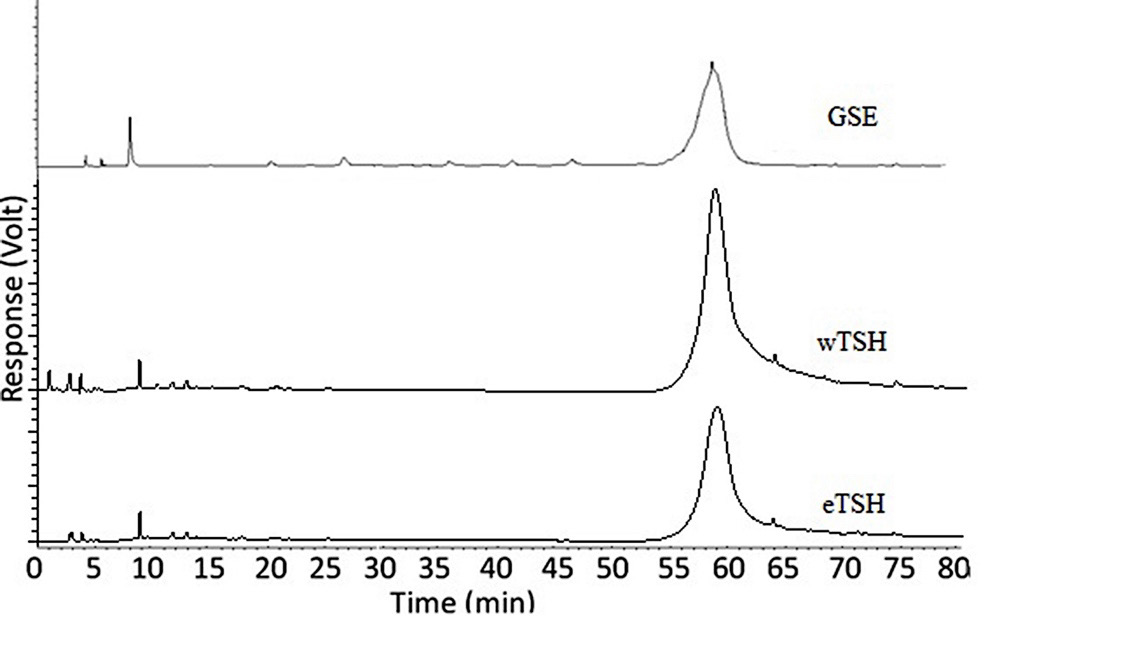
Using advanced techniques like HPLC and LC-ESI-QTOF-MS/MS, the team identified oligomeric proanthocyanidins as key players. The water extract's effectiveness, despite fewer phenolics, hints at synergistic effects or specific active compounds.
This green, water-based extraction could turn waste into a promising functional ingredient for liver cancer therapy. Nature's pharmacy often hides in plain sight—sometimes in the parts we throw away.
Key Points
- Water extract of TSH showed stronger antioxidant and anti-liver cancer activity than ethanol extract.
- Cytotoxicity IC50 at 72h: 44.1 µg/mL (water) vs 408.3 µg/mL (ethanol).
- Oligomeric proanthocyanidins characterized by HPLC and LC-ESI-QTOF-MS/MS.
Comments
No comments yet — be the first.