Effectiveness of Natural Deep Eutectic Solvents (NADES) in Extracting Bioactive Compounds from Salvia sclarea: HPLC-DAD Analysis, Antioxidant and Enzymes Inhibition Potential Evaluation
What if the greenest solvent for extracting plant medicine was also the most powerful? A new study shows that a simple mix of natural compounds can outperform synthetic antioxidants.
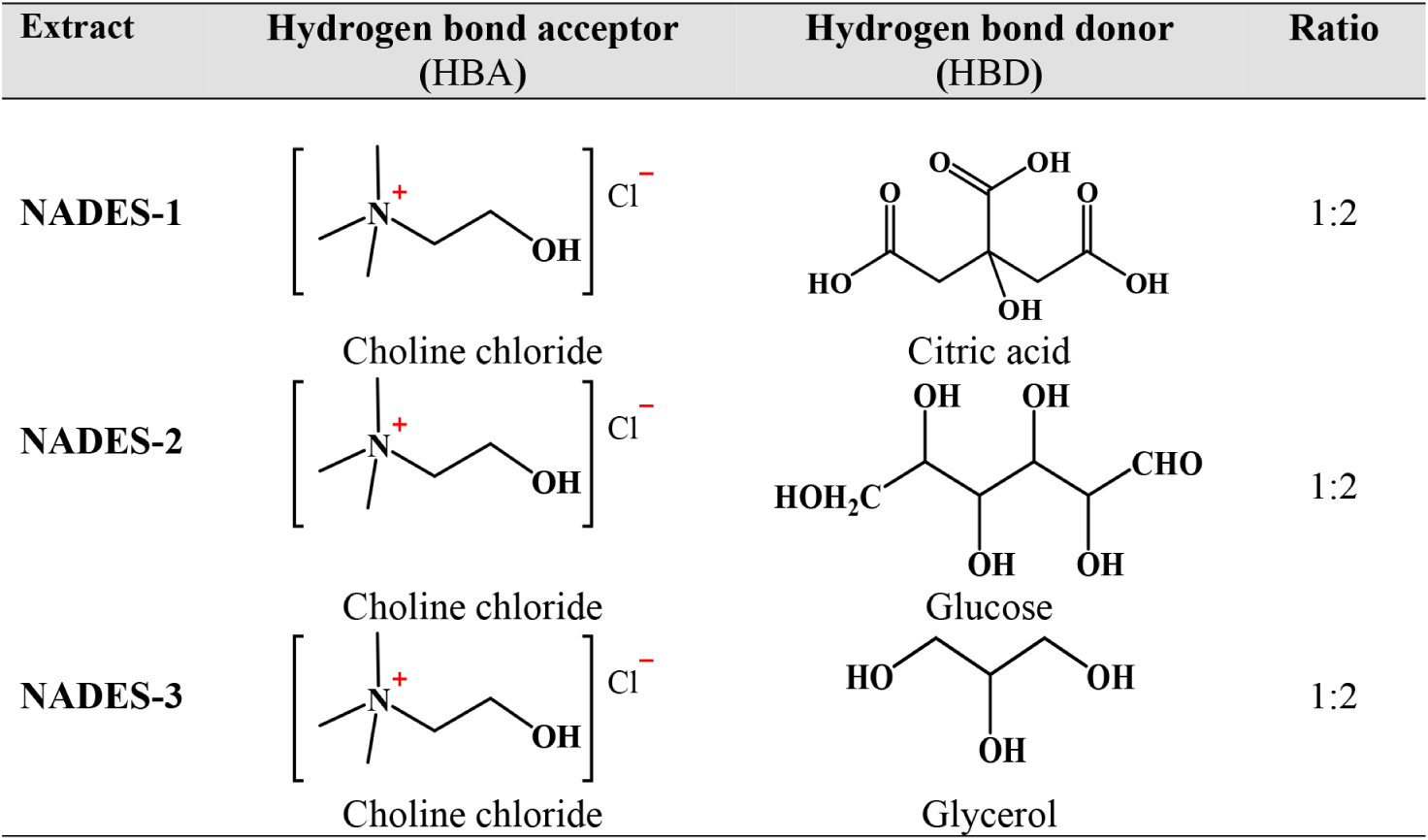
Forget harsh chemicals. Scientists are turning to Natural Deep Eutectic Solvents (NADES)—eco-friendly liquids made from natural ingredients like choline chloride and citric acid—to unlock the hidden potential of plants. In a new study, researchers tested three NADES formulations on Salvia sclarea, a fragrant herb known for its medicinal properties. The results were striking: one formulation, NADES-2 (choline chloride: glucose), extracted the highest levels of rosmarinic acid, a powerful antioxidant, and even outperformed reference standards like BHA and α-tocopherol in antioxidant tests. But that's not all. NADES-2 also showed strong enzyme inhibition, blocking acetylcholinesterase (AChE) and butyrylcholinesterase (BChE) with IC50 values of 107.7 and 96.81 μg/mL, respectively—key targets for Alzheimer's disease. Meanwhile, other NADES extracts revealed unique compounds: trans-cinnamic acid only in NADES-1, and ellagic acid exclusively in NADES-3. This suggests that by tweaking the solvent, you can selectively extract specific bioactive molecules. While all extracts showed minimal urease inhibition (<21%), the findings highlight NADES as a sustainable, high-efficiency alternative for extracting valuable phytochemicals. The next step? Unraveling the mechanisms behind this selectivity and scaling up for industrial use.
Key Points
- NADES-2 (choline chloride: glucose) extracted the most rosmarinic acid and beat synthetic antioxidants.
- NADES-2 inhibited AChE and BChE with IC50 values around 100 μg/mL.
- Different NADES formulations selectively extracted unique compounds like trans-cinnamic acid and ellagic acid.
Comments
No comments yet — be the first.