Enhanced ultrasonically assisted extraction of bitter melon (Momordica charantia) leaf phenolic compounds using choline chloride-acetic acid–based natural deep eutectic solvent: an optimization approach and in vitro digestion
Move over, bitter melon fruit—its leaves are the hidden treasure trove of antioxidants, and scientists just found a greener way to unlock them.
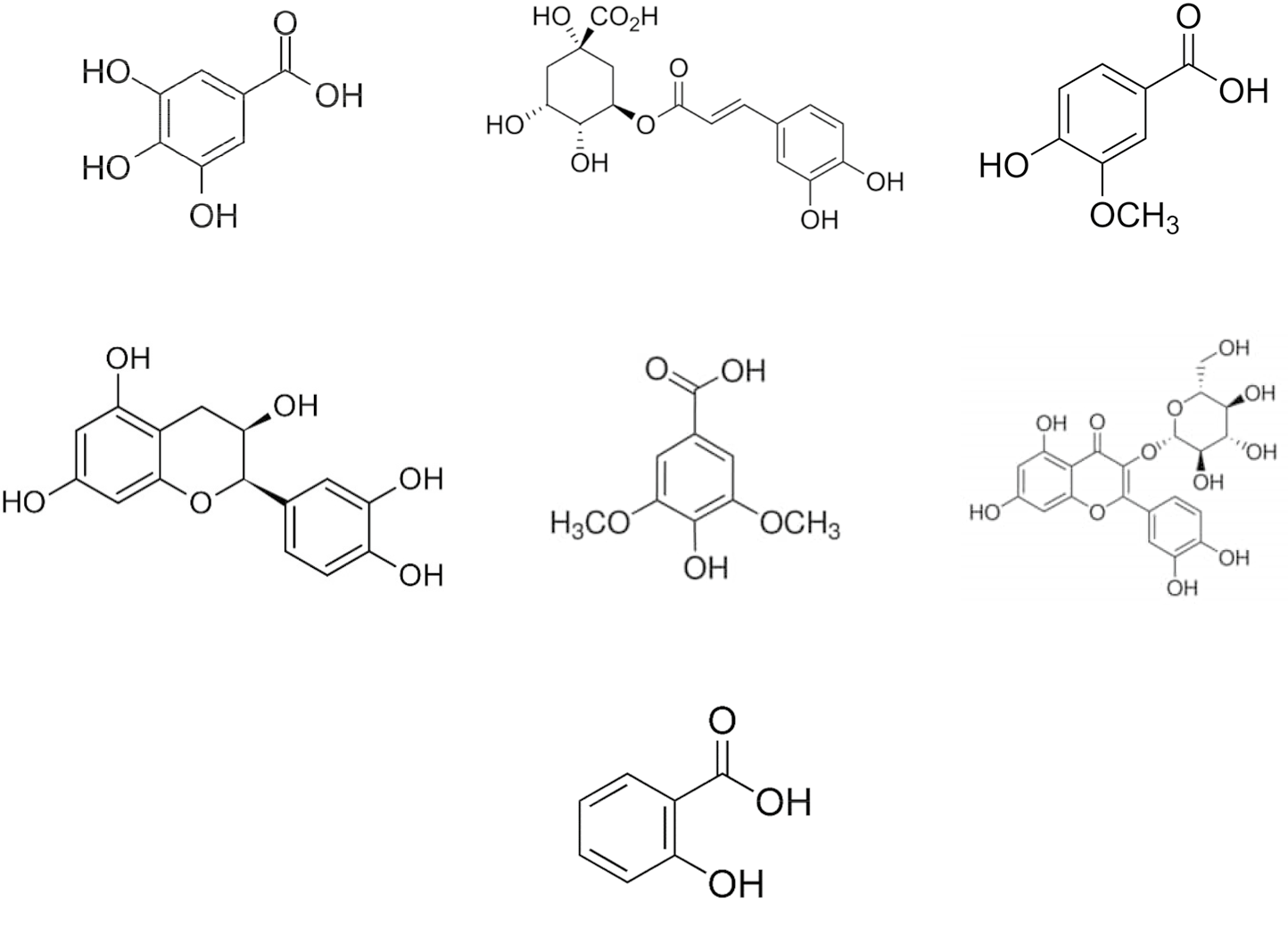
Bitter melon is famous for its health perks, but most research has focused on its fruit. Now, scientists are turning to the leaves—and what they found is impressive. Using a green solvent called choline chloride-acetic acid (CHAC), combined with ultrasound, they boosted the extraction of phenolic compounds far beyond what traditional solvents like water, ethanol, or methanol could achieve. This includes key players like gallic acid, chlorogenic acid, and quercetin-3-glucoside.
But it’s not just about getting more—it’s about getting it right. The team optimized the process using response surface methodology, testing how molar ratio, water content, temperature, and time affect efficiency. The sweet spot: a 1:4.35 CHAC ratio with 20.68% water at 75°C for just over 21 minutes. That’s the recipe for maximum phenolic yield.
What happens after you eat these compounds? The study simulated digestion to measure bioaccessibility—how much actually becomes available to your body. Vanillic acid led the pack at 105% bioaccessibility, followed by salicylic acid, chlorogenic acid, and others. This means bitter melon leaves could be a powerful, sustainable ingredient for functional foods, not just a bitter afterthought.
Key Points
- CHAC solvent boosts phenolic extraction from bitter melon leaves.
- Optimized at 1:4.35 ratio, 20.68% water, 75°C, 21.23 min.
- Vanillic acid most bioaccessible (105%) in simulated digestion.
Comments
No comments yet — be the first.