Enhancing bio-based polysaccharide/protein film properties with Natural Deep Eutectic Solvents (NADESs) and NADES-based bioactive extracts – A review
Plastic packaging may be convenient, but it's a petroleum-based nightmare that lingers for centuries. Could a green solvent made from natural metabolites be the key to stronger, smarter biodegradable films?
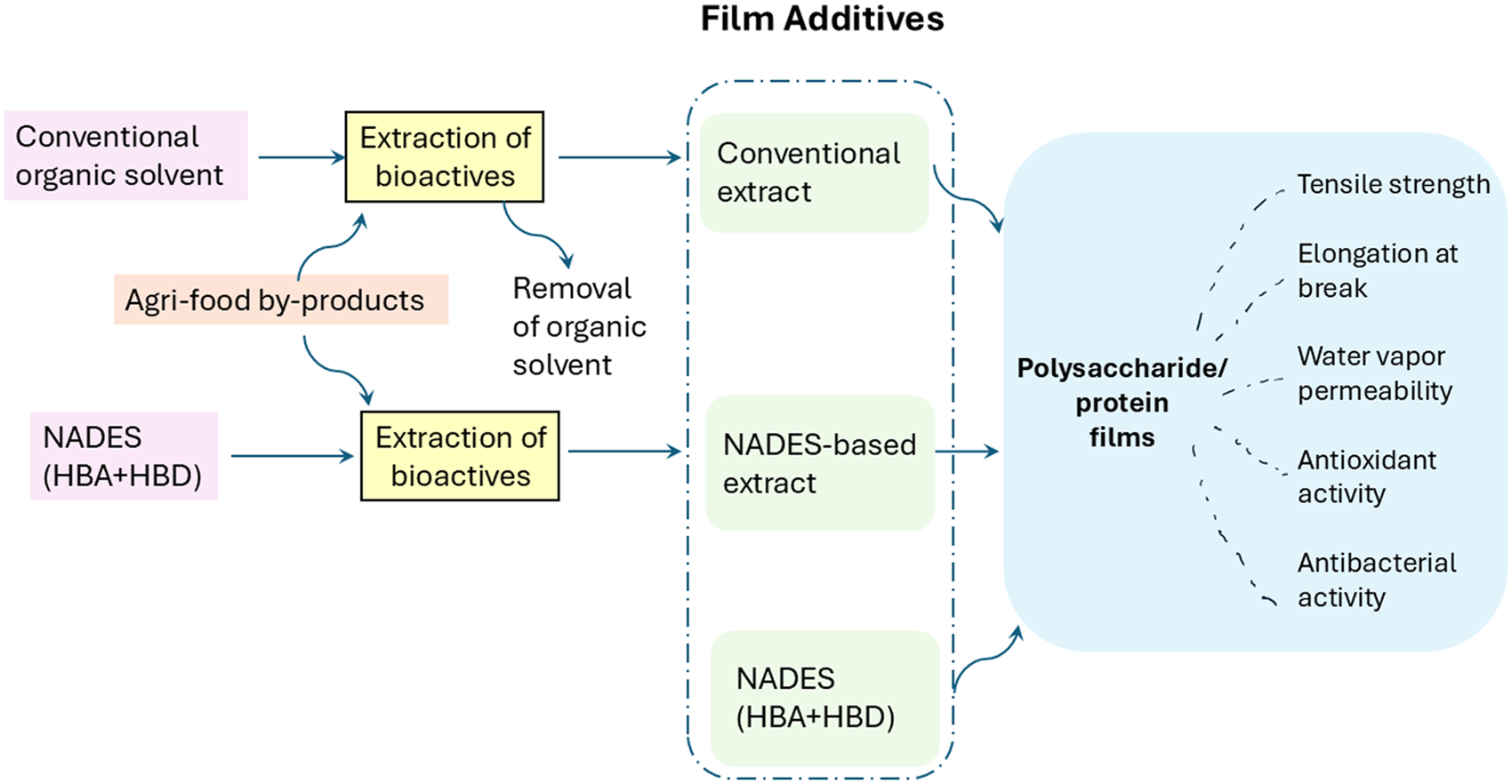
Biodegradable films are promising eco-warriors against plastic pollution, but they have a weakness: they're hydrophilic, meaning water easily degrades them. To improve their game, scientists are blending proteins and polysaccharides, and even adding bioactive compounds for antioxidant and antibacterial power. Enter Natural Deep Eutectic Solvents, or NADES—green solvents made from common metabolites that can extract these bioactives efficiently. Yet, surprisingly, few studies have actually tested NADES as film additives. This review digs into that limited research, focusing on how NADES and NADES-based extracts affect film properties. Most current work centers on hydrophilic NADES and chitosan-based films, leaving a gap: hydrophobic NADES extracts are unexplored in other biopolymer films. The authors call for more research on water vapor permeability and the sustainability of this novel approach. The potential is huge—NADES could be the missing ingredient for active food packaging that's both effective and eco-friendly.
Key Points
- NADES are green solvents from natural metabolites.
- Hydrophilic NADES dominate current film research.
- Hydrophobic NADES extracts need more study.
Comments
No comments yet — be the first.