Enhancing the Yield of Bioactive Compounds from Sclerocarya birrea Bark by Green Extraction Approaches
What if the key to better health was hidden in the bark of an African tree? Scientists just found a greener way to unlock it.
Deep in Southern Africa, the marula tree (Sclerocarya birrea) is more than just a plant—it's a lifeline. Its bark, packed with 10–20% tannin, has long been used as a natural remedy for diabetes, inflammation, and infections. But extracting those precious bioactive compounds has often relied on harsh, unsustainable methods.
In this study, researchers compared three green extraction techniques: solid–liquid extraction, supercritical fluid extraction (SFE), and pressurized liquid extraction (PLE). All used only food-grade solvents, keeping things safe and eco-friendly. The goal? To maximize yield while preserving the bark's powerful chemistry.
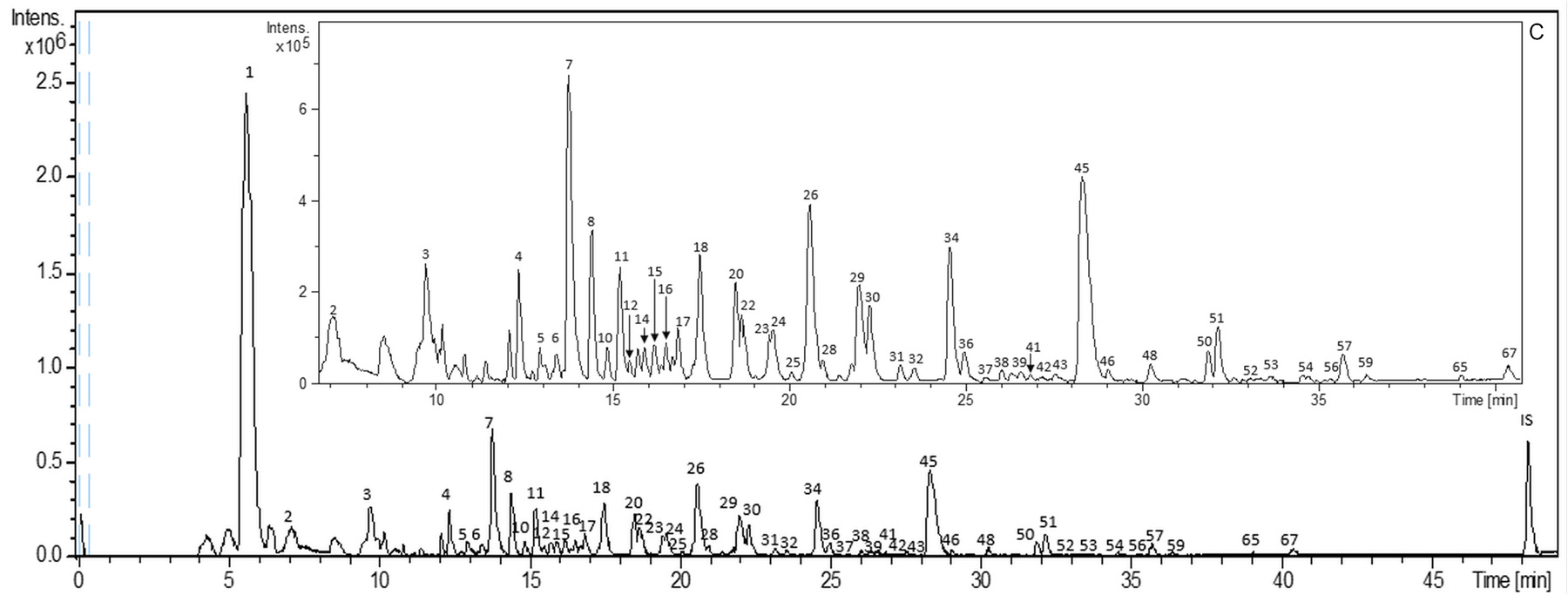
PLE emerged as the star performer, delivering the highest yields across all conditions. It also pulled out the most compounds—71 in total, many in galloyl form—especially when run at low temperatures. Meanwhile, SFE proved uniquely effective at capturing antidiabetic proanthocyanidins, a key bioactive group.
These advanced methods aren't just lab tricks. They offer a sustainable way to turn marula bark into supplements or food ingredients, boosting the value of this remarkable crop. The tree's hidden potential is finally within reach.
Key Points
- PLE gives highest yields with food-grade solvents.
- 71 bioactive compounds found in marula bark.
- SFE extracts antidiabetic proanthocyanidins effectively.
Comments
No comments yet — be the first.