Exploring the nutritional, phytochemical, and functional potential of African star apple (Chrysophyllum albidum) and its byproducts: A review of bioactivities and food applications
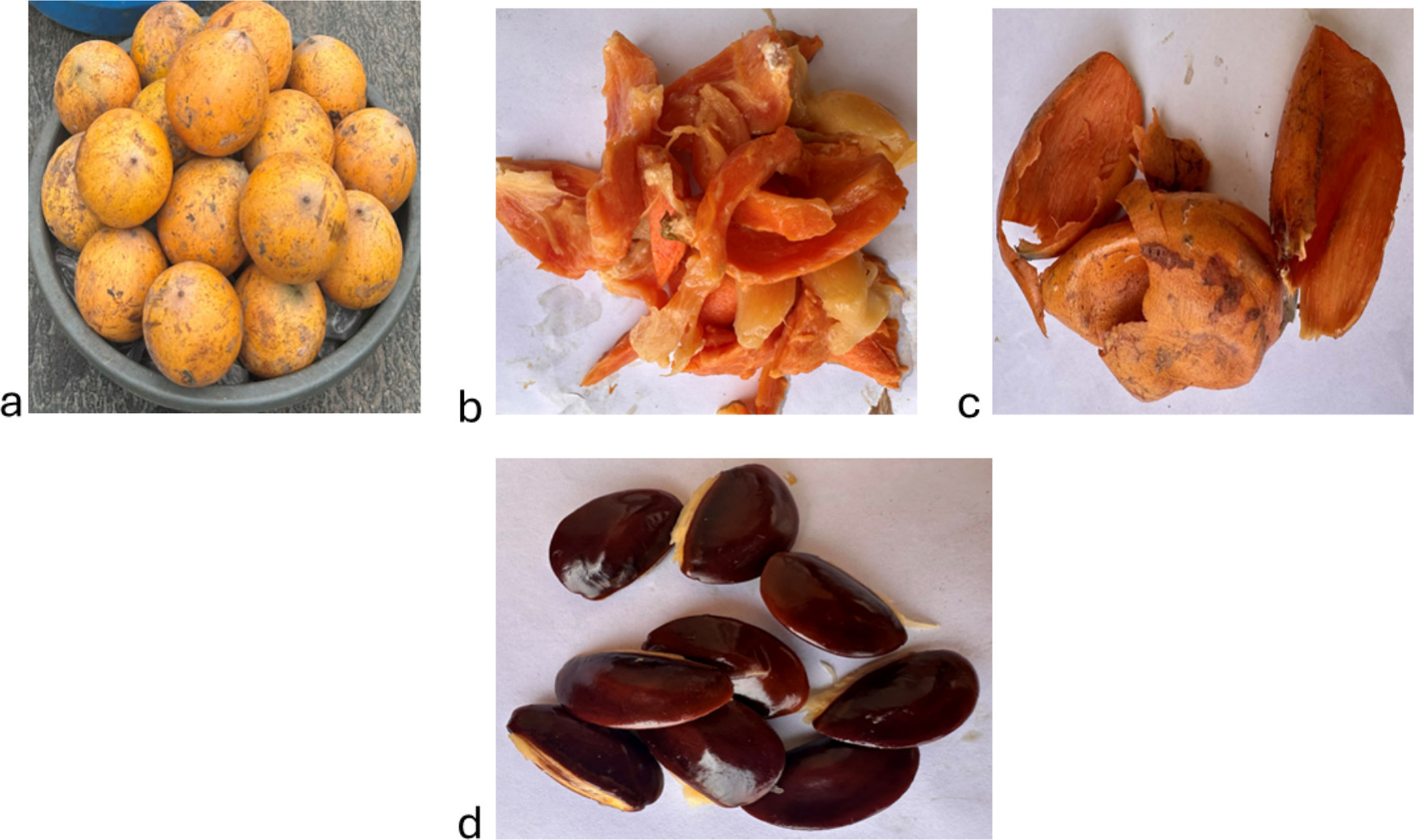
Hidden in West and Central Africa's forests lies a fruit so nutritious it could transform the way we eat—yet most of it rots before reaching a plate. Meet the African Star Apple, a neglected superfruit with a peel, pulp, and seed packed with polyphenols and promise.
The African Star Apple (Chrysophyllum albidum) is a tropical underdog. Native to West and Central Africa, it's been eaten fresh for generations, but its full potential has stayed locked in the shadows. Now, a comprehensive review pulls back the curtain on this fruit's impressive nutritional and phytochemical profile—revealing substantial carbohydrates, dietary fiber, vitamins, minerals, and bioactive compounds like catechin and epicatechin in its pulp, peel, and seed.
Why the neglect? Rapid postharvest losses, poor processing infrastructure, and scattered scientific data have kept this fruit from industrial stardom. But the evidence is mounting: studies show antioxidant, antidiabetic, antimicrobial, anti-inflammatory, and anti-hypertensive activities, supported by both lab and animal experiments. The fruit's components also demonstrate promising techno-functional traits—water and oil absorption, emulsifying behavior, and starch modification—making them versatile for food innovation.
The review doesn't stop at the fruit itself. It explores green extraction technologies like ultrasound and supercritical fluid extraction to efficiently recover bioactives, while addressing antinutritional factors and gut health modulation. The goal? Turning ASA into value-added products—juices, jams, yogurts, nutraceuticals—and scaling up for real-world impact. This is a fruit with a future, if we let it shine.
Key Points
- Rich in polyphenols like catechin and epicatechin
- Shows antioxidant, antidiabetic, antimicrobial activities
- Green extraction boosts byproduct valorization
Comments
No comments yet — be the first.