Exploring the potential of Ulva Lactuca: Emerging extraction methods, bioactive compounds, and health applications – A perspective review
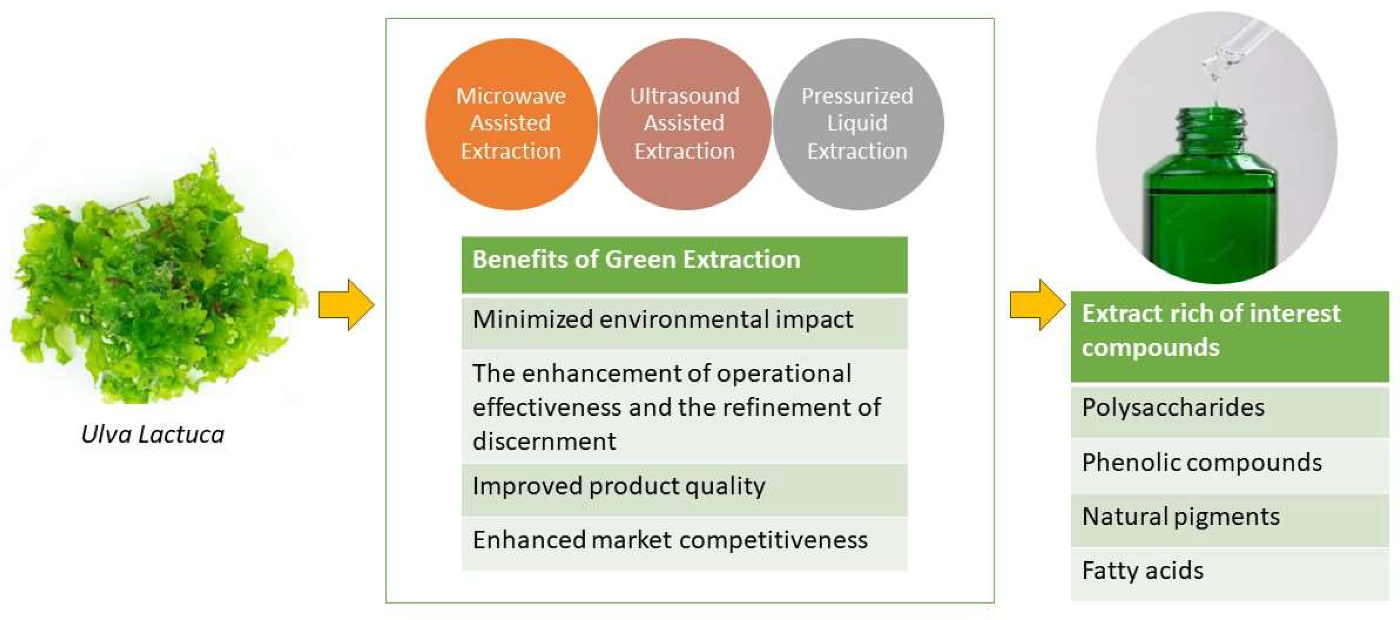
Sea lettuce isn't just a beach snack—it's a chemical treasure chest waiting to be unlocked. This green seaweed hides a wealth of bioactive compounds that could transform health applications, from antioxidants to neuroprotection.
Imagine a seaweed so versatile it could be the next big thing in health science. Ulva Lactuca, better known as sea lettuce, is exactly that—a green marine plant packed with bioactive compounds. This perspective review dives into the emerging extraction methods scientists are using to isolate these valuable molecules, while mapping out their potential health benefits.
The review highlights a diverse portfolio of compounds found in sea lettuce: polysaccharides, phenolic compounds, fatty acids, pigments, minerals, and vitamins. These aren't just chemical curiosities—they show promise in antioxidant activity, fighting inflammation, supporting cardiovascular health, protecting neurons, and enhancing skin health. That's a broad therapeutic range from a humble seaweed.
But the road from lab to real-world application isn't smooth. The authors point to persistent challenges: sustainability concerns, the need for standardized extraction processes, and the tricky business of formulation. They also call for more research to fully unlock sea lettuce's potential. It's a clear-eyed look at both the promise and the hurdles—a balanced perspective on a marine resource that might just be worth its weight in gold.
Key Points
- S
- e
- a
Comments
No comments yet — be the first.