Extraction and Identification of Active Components from Lilium lancifolium Based on NADES-UHPLC-MS/MS Technology
Imagine a greener, safer way to unlock the hidden powers of a traditional medicinal flower—this study found it, and it's not just ethanol anymore.
The bulb of Lilium lancifolium, a plant used in both Chinese medicine and cuisine, is packed with saponins—bioactive compounds with notable pharmacological effects. But extracting them has always been a pain: traditional solvents are inefficient, costly, and flammable. Enter natural deep eutectic solvents, or NADES—a green alternative that's turning heads in the lab.
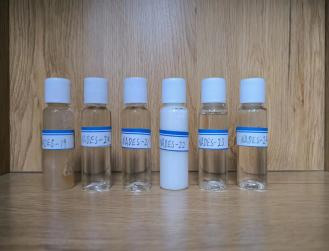
In this study, researchers synthesized 24 NADES and screened them for stability, narrowing the field to 14 for extraction tests, with ethanol as the old-school control. After optimization, one clear winner emerged: NADES-15, a mix of choline chloride and anhydrous citric acid in a 2:1 ratio. It pulled out a total saponin content of 46.6 mg/g—significantly more than ethanol could manage.
But the benefits didn't stop at quantity. Using UHPLC-MS/MS, the team identified 31 compounds in the NADES-15 extract, including all nine target steroidal saponins (lily saponin A–I). The ethanol extract? Only 17 compounds and six saponins. That's a bigger chemical net, catching more of the plant's medicinal potential.
This isn't just a lab curiosity—it's a step toward more sustainable, efficient natural product extraction. By swapping flammable solvents for a green, recyclable alternative, we can get more of what we want from nature, with less harm to the planet.
Key Points
- NADES-15 (choline chloride:citric acid 2:1) extracts 46.6 mg/g saponins, beating ethanol.
- UHPLC-MS/MS identifies 31 compounds, including all nine lily saponins (A–I).
- Ethanol extract yields only 17 compounds and six saponins.
Comments
No comments yet — be the first.