Extraction, Characterization, and Evaluation of the Cytotoxic Activity of Piperine in Its Isolated form and in Combination with Chemotherapeutics against Gastric Cancer
A humble black pepper compound might just be a hidden weapon against one of the world's most aggressive cancers—gastric cancer.
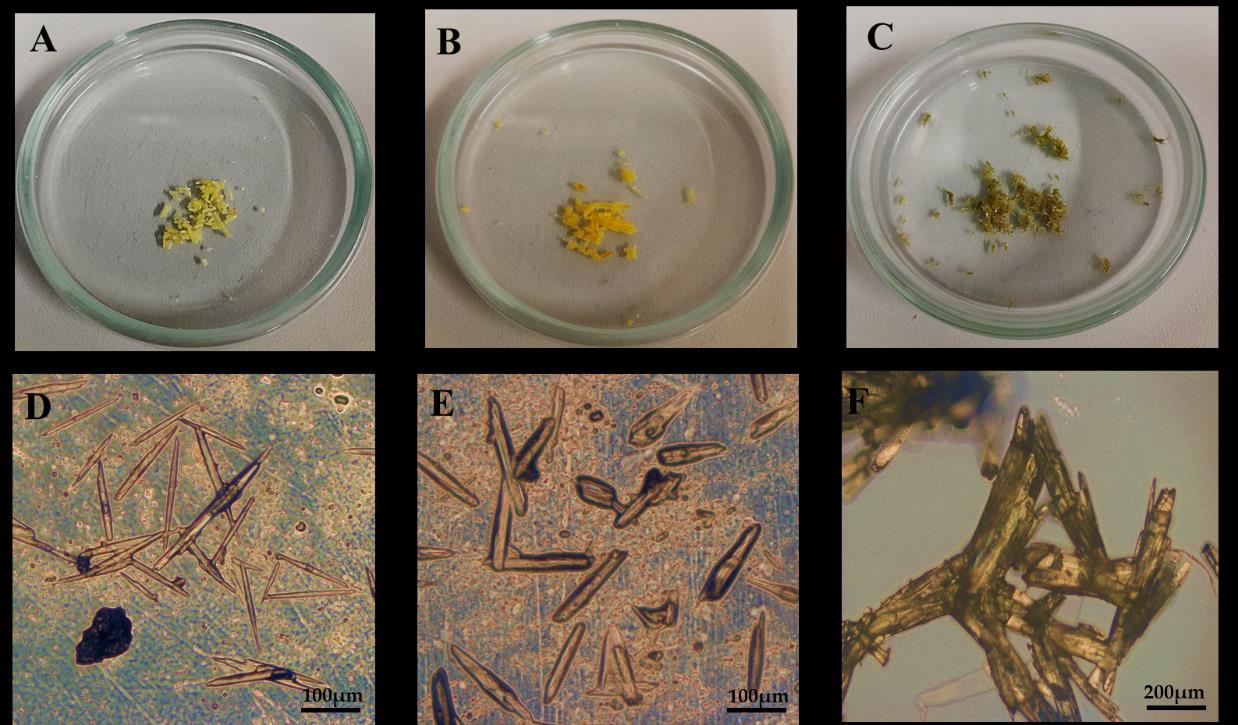
Gastric cancer is a relentless foe, often diagnosed late and difficult to treat. But scientists are turning to nature's pharmacy for new hope. Piperine, the alkaloid that gives black pepper its bite, has emerged as a promising candidate. Researchers have developed three simple, low-cost methods to extract piperine crystals from black pepper, avoiding harsh heating. Using advanced techniques like electron microscopy and NMR, they confirmed the crystals' identity and purity. The real excitement came when they tested these crystals against gastric cancer cells from the Brazilian Amazon. Piperine showed selective cytotoxicity, hitting more aggressive cancer cells harder. Even better, when combined with standard chemotherapies like 5-FU and gemcitabine, piperine acted as a bioenhancer, allowing the drugs to work at lower doses. This means potentially fewer side effects and better outcomes. Piperine isn't just a spice—it's a molecule with serious therapeutic potential, both alone and as a partner to existing treatments.
Key Points
- Three simple, heat-free methods extract piperine crystals from black pepper.
- Piperine shows selective toxicity, more effective against aggressive gastric cancer cells.
- Combined with chemo drugs, piperine enhances efficacy, allowing lower doses.
Comments
No comments yet — be the first.