Extraction of lichen bioactive compounds using volatile natural deep eutectic solvents and comparative analytical approaches
Lichen acids are chemical treasure troves hidden inside symbiotic organisms—but extracting them without destroying them is a delicate art. Now, scientists have found a greener, faster way to unlock these bioactive compounds.
Lichen are not single organisms—they are symbiotic partnerships between fungi and algae, producing a unique cocktail of secondary metabolites with promising pharmacological activities. But these compounds are notoriously difficult to extract. The challenge lies in breaking into the lichen's thallus without degrading the very molecules you want to isolate.
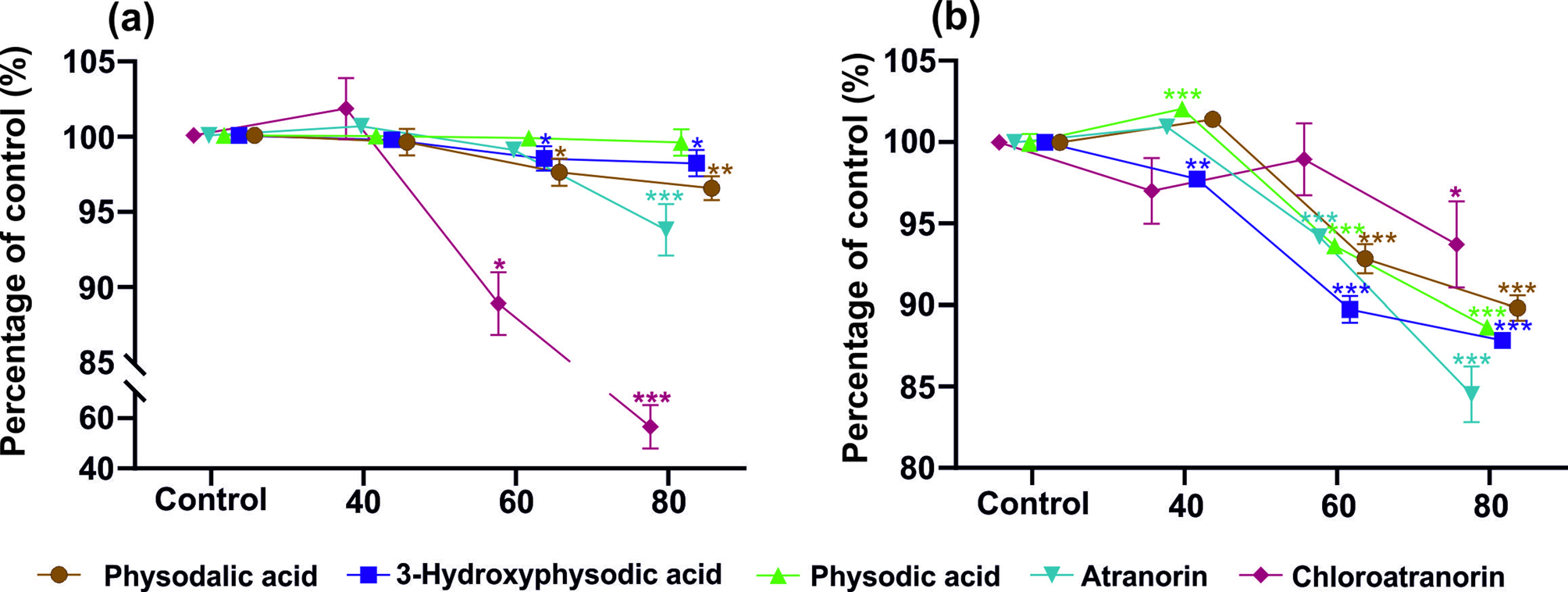
In a new study, researchers compared three extraction methods: accelerated solvent extraction (ASE), traditional maceration, and a cutting-edge approach using volatile natural deep eutectic solvents (VNADES). They focused on key lichen acids—physodalic, physodic, 3-hydroxyphysodic, atranorin, and chloroatranorin—from Hypogymnia physodes and other lichen species.
The results were clear: ASE with acetone proved the most selective method, slashing both solvent use and processing time. For a greener alternative, VNADES also showed promise. The team optimized parameters—menthol/camphor ratio of 1.5:1, liquid/solid ratio of 100:1, 40°C, and 30 minutes—to maximize yields.
Finally, they compared drying methods and found rotary evaporation to be a cost-effective, rapid alternative to lyophilization, preserving the delicate bioactive compounds from degradation. This work paves the way for more sustainable extraction of lichen metabolites, potentially accelerating the discovery of new antimicrobial agents.
Key Points
- ASE with acetone is most selective for lichen acids
- VNADES optimized: menthol/camphor 1.5:1, 40°C, 30 min
- Rotary evaporation beats lyophilization for drying
Comments
No comments yet — be the first.