Extraction Techniques and Optimization Strategies for Phytochemicals from Annona muricata Leaf: A Comprehensive Review (2010-2024)
Soursop leaves are a treasure trove of medicinal compounds—but getting them out is a puzzle that scientists are only now solving.
Annona muricata, better known as soursop, is not just a tropical fruit. Its leaves pack a diverse chemical arsenal: acetogenins, flavonoids, alkaloids, and volatile oils. These compounds have made the plant a star in traditional medicine and a promising candidate for modern drug and cosmetic development.
But there's a catch. Extracting these phytochemicals consistently is notoriously tricky. Traditional methods like maceration work, but they're inefficient. Newer techniques—supercritical fluid extraction, ultrasonic-assisted extraction, and microwave-assisted extraction—offer more control, yet they bring their own challenges: inconsistent yields, parameter tuning headaches, and the daunting leap from lab bench to commercial scale.
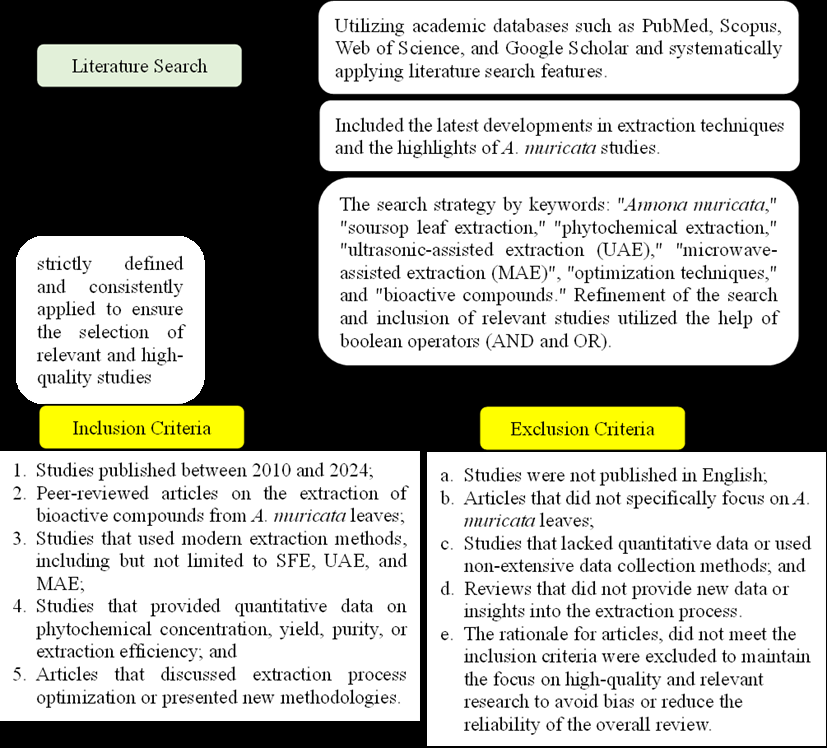
To tackle these hurdles, researchers are turning to smart optimization tools. Response surface methodology and artificial neural networks help fine-tune extraction conditions, making the process more reliable and sustainable. This review, covering studies from 2010 to 2024, highlights how these approaches can unlock the full potential of soursop leaves.
The payoff? Scalable, eco-friendly extraction methods that could turn this humble leaf into a nutraceutical powerhouse, benefiting both medicine and cosmetics.
Key Points
- Soursop leaves contain diverse bioactive compounds.
- Modern extraction methods face yield and scaling challenges.
- Optimization tools improve extraction reliability and sustainability.
Comments
No comments yet — be the first.