Food waste as potential bioresources for extraction of carotenoid of nutraceutical importance: Current research and future challenges
Every glass of wine leaves behind a treasure trove of antioxidants—if you know where to look. Scientists just turned white grape waste into a goldmine of phenolic compounds using eco-friendly solvents and sound waves.
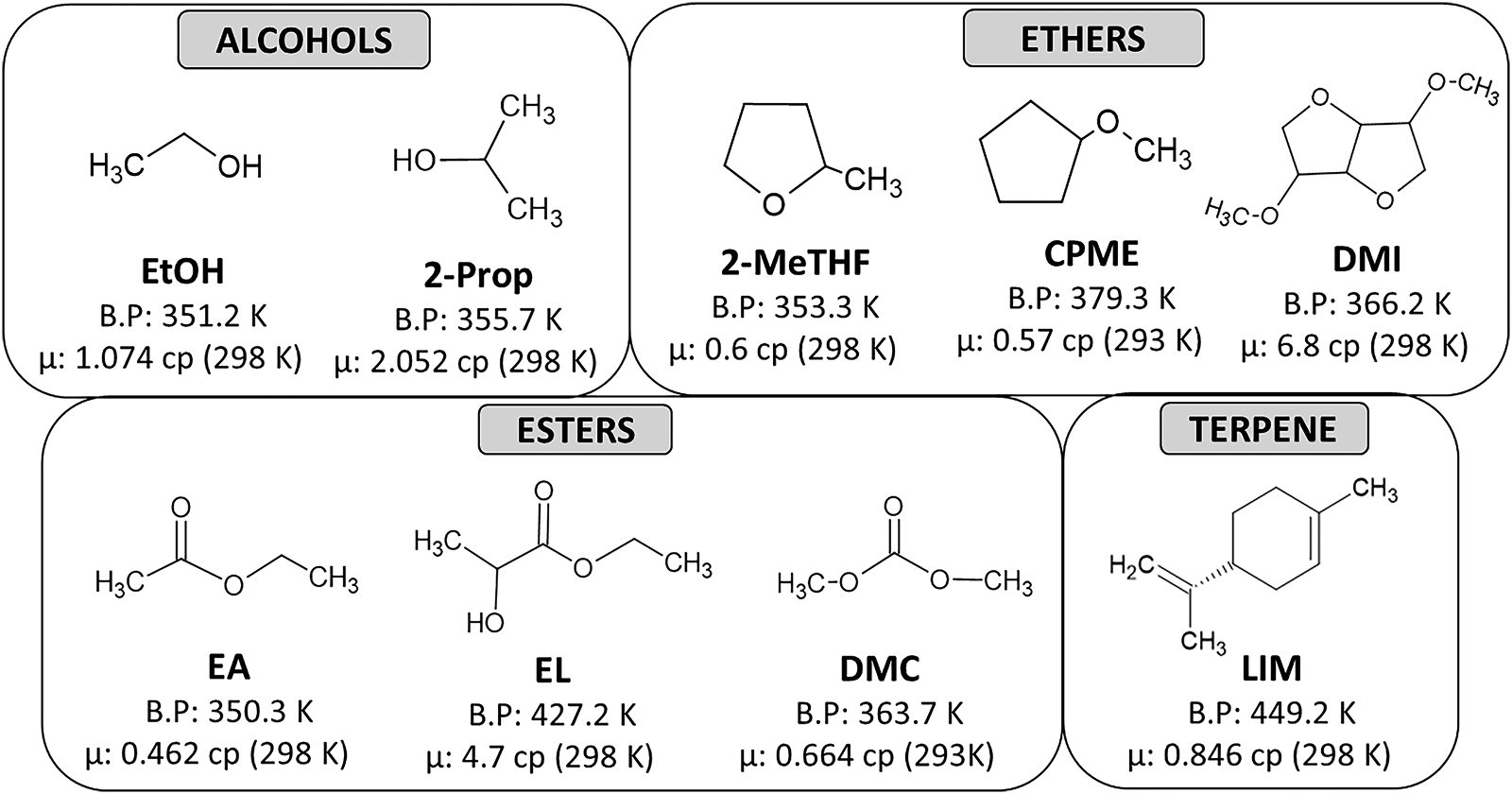
The winemaking industry churns out massive amounts of waste—skins, seeds, and stems—that are actually packed with bioactive compounds. Among them, phenolic compounds stand out for their potent antioxidant properties, making them valuable for nutraceuticals and beyond. But extracting them sustainably has been a challenge. Enter bio-renewable green solvents: alcohols, ethers, esters, and terpenes that promise a cleaner alternative to traditional methods. In this study, researchers optimized a solid-liquid extraction process by tweaking time, temperature, and solid-to-liquid ratio. The star performer was ethanol, yielding the highest total phenolic content at 9.43 ± 0.16 mg GAE per gram of white grape waste, followed closely by 2-methyltetrahydrofuran at 7.23 ± 0.08 mg. The team also analyzed different waste fractions—skin and seeds—and characterized the phenolic profile using UV-Vis spectrophotometry and HPLC-DAD. Alcohols and ethers proved most selective, especially for catechin and gallic acid. But the innovation didn't stop there: they successfully recycled the solvents and recovered antioxidants as a solid fraction. To top it off, ultrasound-assisted extraction intensified the process, slashing time and energy use. This work is a textbook example of the Circular Bioeconomy—turning waste into high-value bioproducts that industry and society actually want.
Key Points
- Ethanol extracts highest phenolic content from white grape waste.
- Green solvents like ethers show selectivity for catechin and gallic acid.
- Ultrasound intensifies extraction, cutting time and energy use.
Comments
No comments yet — be the first.