Formation mechanism of nanocomplex of resveratrol and glycated bovine serum albumin and their glycation-enhanced stability showing glycation extent
What if a simple sugar coating could make a fragile health-boosting molecule survive the harsh journey through your body? A new study reveals how glycation—a natural modification—turns a protein into a shield for resveratrol, a powerful antioxidant that usually degrades too quickly to be useful.
Resveratrol, the polyphenol found in grapes and peanuts, is a superstar in the lab: it fights inflammation, cancer, and heart disease. But in the real world, it's fragile. Light, pH shifts, and salt can break it down before it ever reaches its target. Scientists have long tried to protect it using proteins, yet these complexes often fall apart under environmental stress.
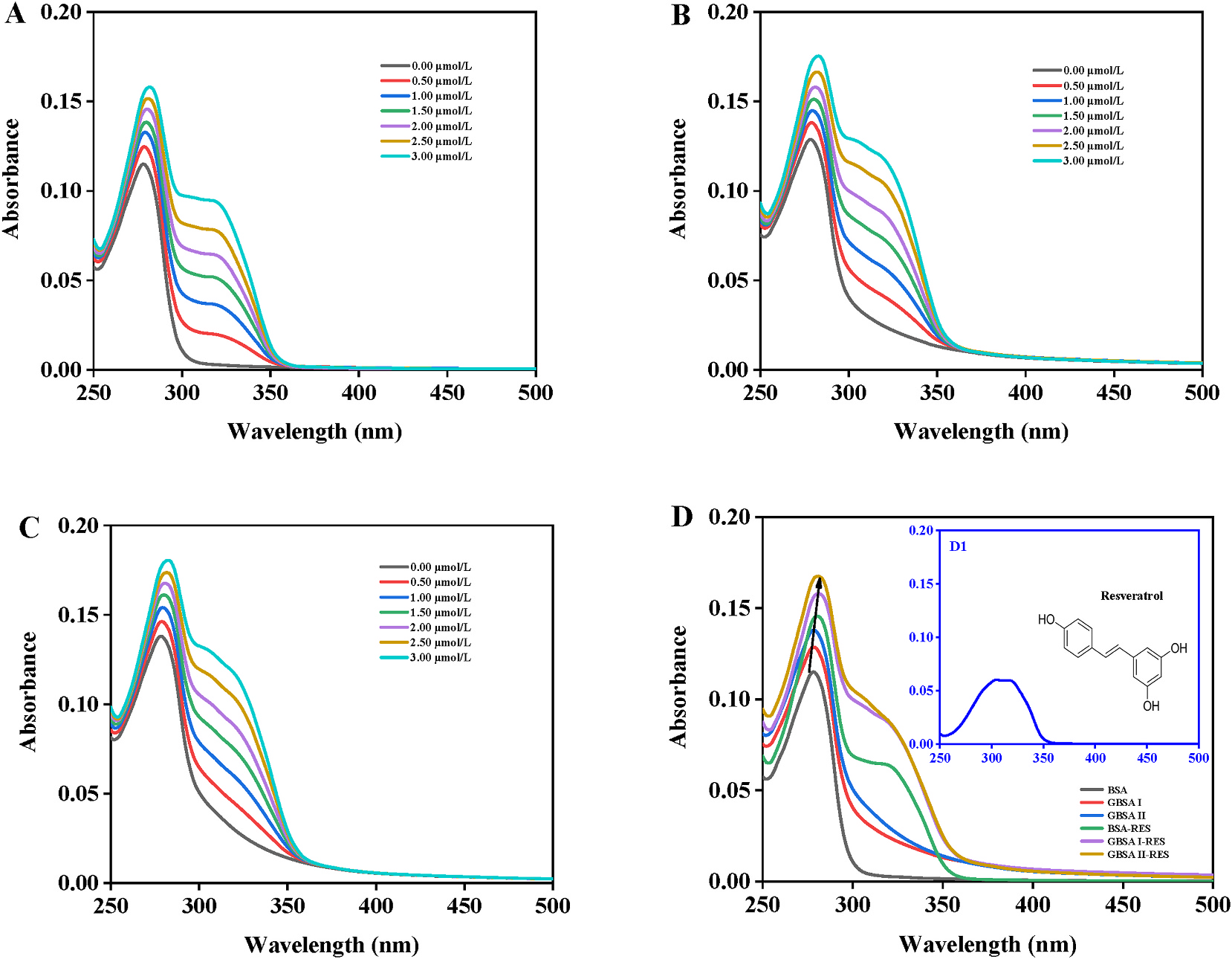
Enter glycation—the same chemical reaction that gives bread its golden crust. Researchers in this study linked glucose to bovine serum albumin (BSA), creating glycated BSA (GBSA) with varying degrees of modification. When they mixed these proteins with resveratrol, the molecules self-assembled into nanocomplexes through noncovalent interactions. The more glycation, the tighter the grip: GBSA with higher glycation showed stronger binding to resveratrol.
The standout was GBSA II, made in a natural deep eutectic solvent system. It produced the largest nanoparticles, with the highest encapsulation efficiency and loading capacity. Spectroscopic analysis confirmed that resveratrol was trapped in an amorphous, stable form. Under stress—heat, salt, and pH extremes—the glycated complexes held up far better than their unmodified counterparts.
This sugar-coating trick could be a game-changer. By boosting stability, glycated proteins offer a practical way to deliver delicate bioactive compounds in food and medicine. The next time you see a golden-brown crust, remember: nature's chemistry is full of clever shields.
Key Points
- Glycation boosts BSA's binding affinity for resveratrol.
- GBSA II nanocomplex shows highest encapsulation efficiency.
- Glycated complexes resist heat, salt, and pH stress.
Comments
No comments yet — be the first.