From agro-waste to bioactive wealth: Analyzing nutraceutical extraction and applications
What if the peels, seeds, and husks you throw away could become the next superfood or life-saving drug? A new study reveals how agro-waste is quietly transforming into a goldmine of bioactive compounds.
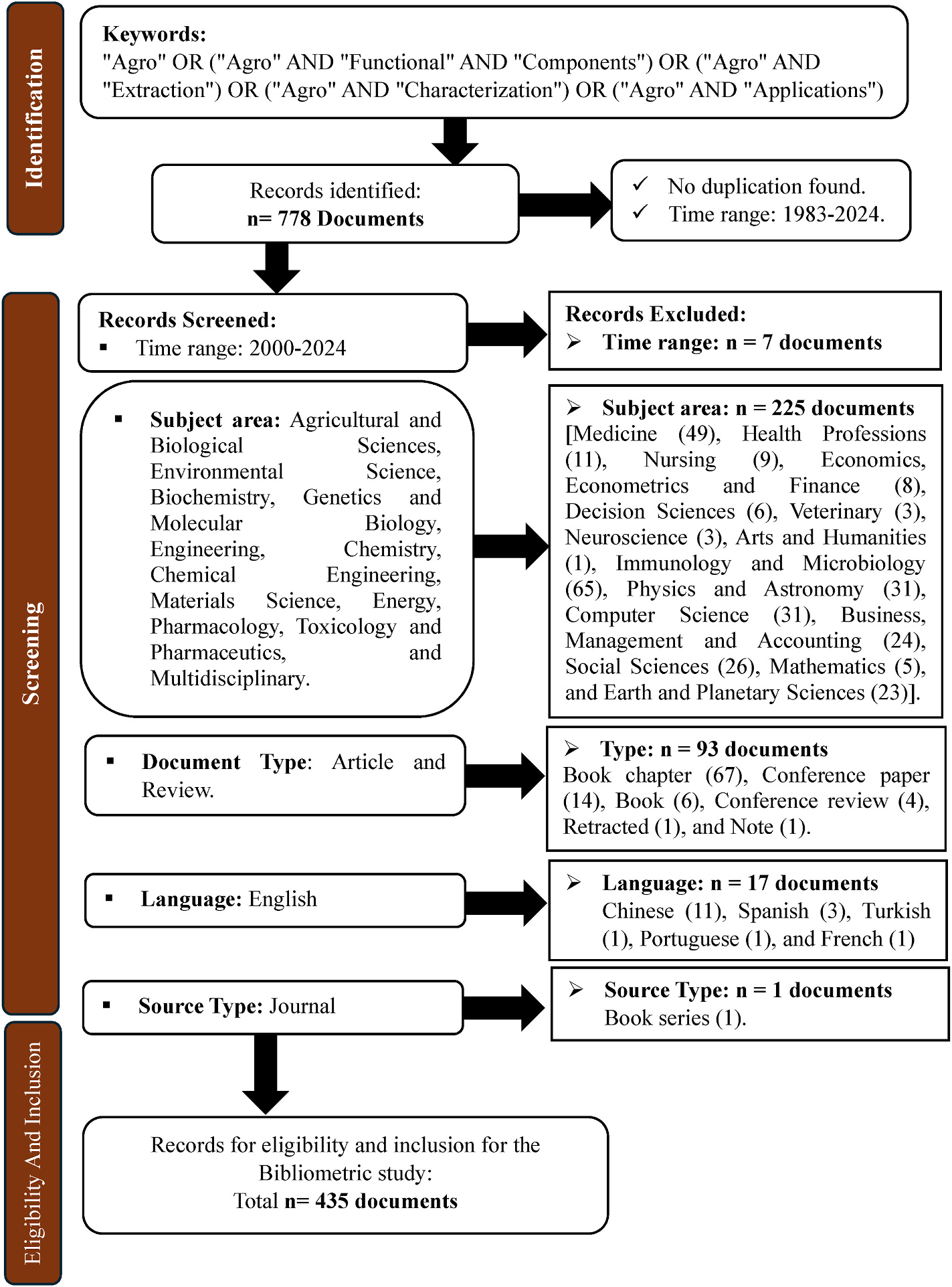
Every year, the agro-industry discards mountains of crop residues, seeds, peels, and husks—often causing serious environmental harm. But a new bibliometric analysis, covering 2000 to 2024, argues these so-called wastes are actually untapped treasures. The study tracks how researchers have turned this trash into nutraceutical, pharmaceutical, and bioenergy gold.
The numbers are striking. Publications on green extraction methods—like supercritical fluid and enzymatic extraction—skyrocketed from just 1 in 2001 to 78 in 2024. Countries like India, Brazil, and China lead the charge, while Portugal shines with the highest average citations per paper, signaling high-impact work. Top journals, including "Trends in Food Science and Technology" and "Food Research International," are buzzing with these findings.
The science is clever: techniques such as hydro-methanolic extraction and solid-state fermentation recover bioactive polyphenols and other compounds. These can be used in functional foods, smart packaging, and more. Yet challenges remain—scalability and variability in recovery still need solving. Still, the message is clear: agro-waste isn't garbage; it's a resource waiting for its moment.
Key Points
- Green extraction publications jumped from 1 (2001) to 78 (2024).
- India, Brazil, and China lead; Portugal has top citation impact.
- Agro-waste yields polyphenols for food, packaging, and pharma.
Comments
No comments yet — be the first.